





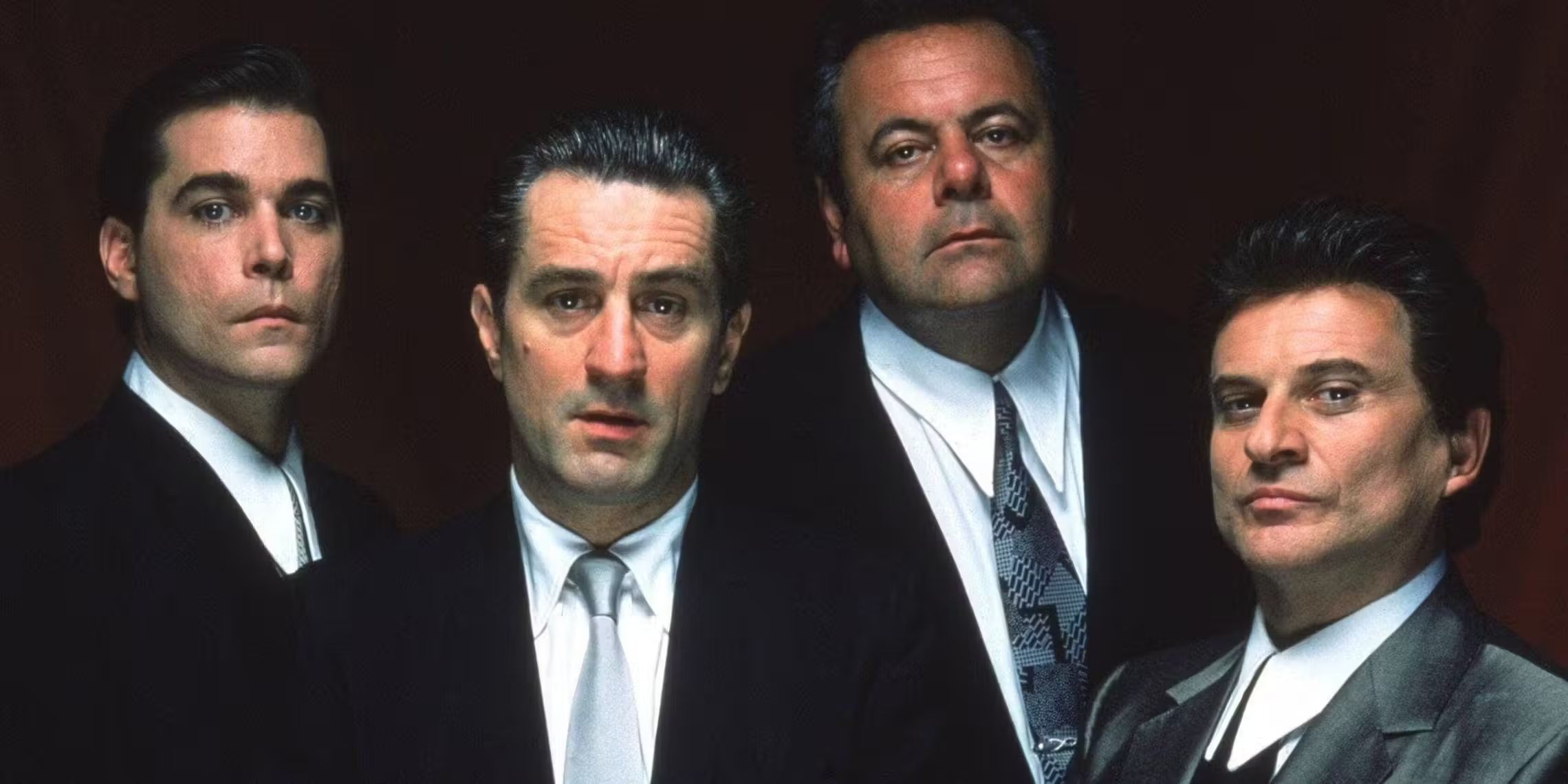


The Evolution of Cinema Over Four Decades
Over the past four decades, cinema has seen an incredible evolution, with each decade bringing forth new styles, genres, and storytelling techniques. While it’s impossible to capture every masterpiece in a single list, there are certain films that have stood the test of time and left an indelible mark on the industry. These eleven movies represent the best of the best, showcasing the diversity and depth of filmmaking across different eras.
‘Spirited Away’ (2001)
Hayao Miyazaki’s Spirited Away is a masterful example of hand-drawn animation that transcends its medium. It’s not just for fans of animation but for anyone who appreciates a deeply emotional and visually stunning story. The film explores themes of growth, identity, and resilience through the journey of Chihiro, a young girl who finds herself in a mysterious spirit world. Miyazaki’s ability to create immersive worlds and tackle complex themes makes Spirited Away a vital piece of cinema that continues to resonate with audiences.
‘Die Hard’ (1988)
“Yippie-ka-yay, motherfuer!” is more than just a catchphrase; it’s a symbol of the action genre’s evolution. Die Hard redefined what an action thriller could be, blending brutality, emotion, and humor in a way that was unprecedented at the time. Bruce Willis’s portrayal of John McClane brought a relatable, everyman hero to the forefront, while Alan Rickman’s performance as Hans Gruber set a new standard for villainy. Directed by John McTiernan, Die Hard remains a cornerstone of the action genre and continues to influence filmmakers worldwide.
‘There Will Be Blood’ (2007)
Paul Thomas Anderson’s There Will Be Blood is a powerful exploration of capitalism and the American Dream. Starring Daniel Day-Lewis in one of his most iconic roles, the film delves into the life of Daniel Plainview, a ruthless oil tycoon whose ambition drives him to extremes. With its intense performances and layered storytelling, There Will Be Blood is a cinematic achievement that captures the complexities of human desire and greed.
‘Mad Max: Fury Road’ (2015)
George Miller’s Mad Max: Fury Road is widely regarded as the greatest action movie of the 21st century. Its high-octane sequences, practical stunts, and visual effects set a new benchmark for the genre. Set in a post-apocalyptic world, the film follows Max Rockatansky and Furiosa as they embark on a relentless chase to free oppressed women from the clutches of a tyrant. Fury Road not only revitalized the Mad Max franchise but also redefined what action cinema could achieve.
‘Mulholland Drive’ (2001)
David Lynch’s Mulholland Drive is a film that defies easy interpretation. Known for its dream-like narrative and meditative storytelling, the film explores themes of identity, desire, and reality. Naomi Watts and Laura Harring deliver standout performances, creating a mysterious and enigmatic atmosphere that lingers long after the credits roll. Mulholland Drive is a testament to Lynch’s unique vision and his ability to challenge traditional storytelling.
‘Parasite’ (2019)
Bong Joon-ho’s Parasite is a groundbreaking film that won numerous awards, including Best Picture at the Oscars. It’s a sharp satire that critiques class divides and capitalism, wrapped in a visually stunning package. The film follows the Kim family as they infiltrate the home of a wealthy family, highlighting the stark contrasts between privilege and poverty. Parasite is a masterclass in storytelling and social commentary, proving that international cinema can rival Hollywood in both quality and impact.
‘Pulp Fiction’ (1994)
Quentin Tarantino’s Pulp Fiction revolutionized the film industry with its non-linear storytelling, stylized dialogue, and eclectic mix of genres. The film brings together multiple narratives that intertwine in unexpected ways, featuring iconic performances from Samuel L. Jackson, Uma Thurman, and John Travolta. Pulp Fiction not only changed the landscape of independent cinema but also influenced mainstream filmmaking for years to come.
‘The Lord of the Rings: The Return of the King’ (2003)
Peter Jackson’s The Lord of the Rings: The Return of the King is the culmination of a trilogy that redefined fantasy cinema. With its epic scale, meticulous world-building, and emotional depth, the film became a cultural phenomenon. Winning multiple Oscars, including Best Picture, The Return of the King proved that genre films could be as artistically significant as any other. Its legacy continues to inspire filmmakers and fans alike.
‘The Matrix’ (1999)
The Wachowskis’ The Matrix is a landmark film that reshaped the action and sci-fi genres. Combining cyberpunk aesthetics with philosophical themes, the film introduced groundbreaking visual effects and a unique storytelling approach. The red pill/blue pill metaphor and the concept of a simulated reality remain relevant today. The Matrix is a cultural touchstone that continues to influence modern cinema.
‘The Silence of the Lambs’ (1991)
Jonathan Demme’s The Silence of the Lambs is a psychological horror masterpiece that captured the attention of both critics and audiences. With its tense atmosphere and compelling performances from Anthony Hopkins, Jodie Foster, and Ted Levine, the film became a classic in the genre. It’s one of the few films to sweep the “Big Five” Oscars, cementing its place in cinematic history.