





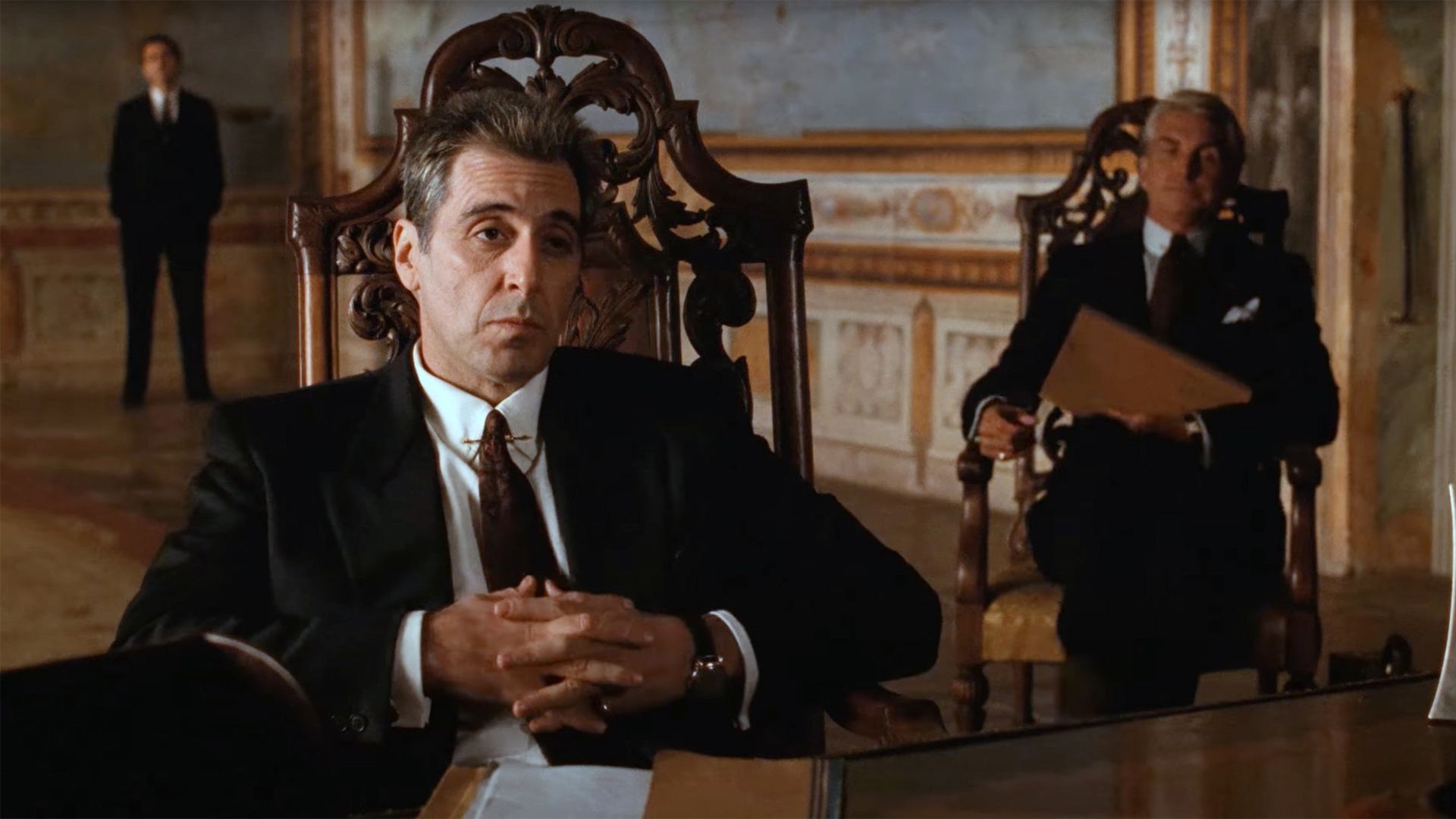

The Godfather Trilogy: A Masterpiece with Flaws
Francis Ford Coppola’s The Godfather trilogy has left an indelible mark on the world of cinema. Its influence is evident in countless films and television shows that followed, starting with the release of the first film in 1972. The second installment, The Godfather Part II, came just two years later and was met with critical acclaim. However, the third film, The Godfather Part III, faced significant backlash for being meandering and having an unconvincing storyline, leading to a recut version titled The Godfather Code: The Death of Michael Corleone. While the trilogy is often regarded as the pinnacle of filmmaking, it does have several drawbacks when viewed through a modern lens.
Michael Corleone Did Not Protect the Family Business
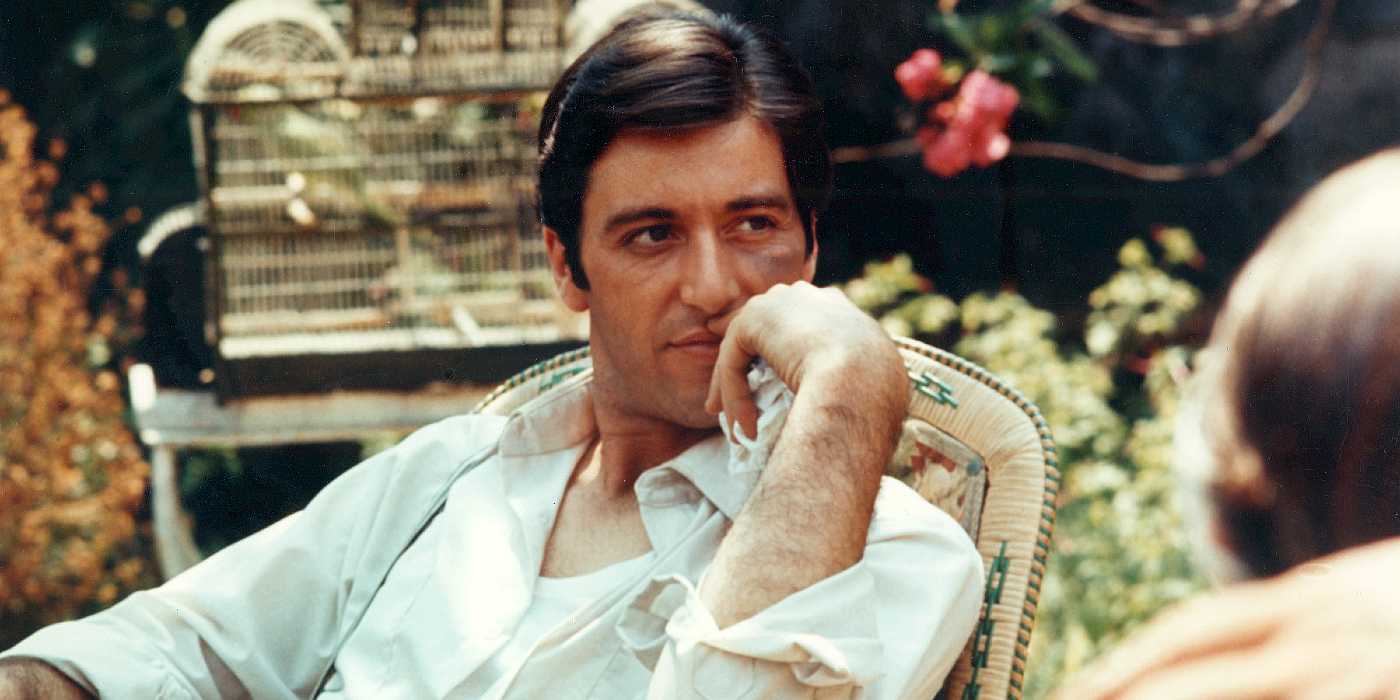
Michael Corleone’s character arc in The Godfather trilogy is one of the most compelling in cinematic history. However, many viewers misinterpret him as a sympathetic anti-hero. While there were moments in the first movie where Michael had to protect his family, his actions in the subsequent films reveal a moral decline. Killing Sollozzo and McCluskey to safeguard the Corleones was a necessary step, but after that, his soul underwent severe moral decay.
In The Godfather, Michael faces an internal conflict between remaining a civilian and taking over the family business. This struggle leads him to believe that corruption exists even in legitimate institutions like the police force. However, his actions—killing his brother, barring his wife from seeing their children, and orchestrating the baptism massacre—paint a picture of a morally depraved man who destroyed Vito Corleone’s legacy. Unlike Vito, who put the family first, Michael prioritized the family business over his loved ones, resulting in a tragic downfall. He was not an anti-hero but a true monster who lost his way early in the trilogy.
The Godfather Trilogy Suffered Because of Nepotism
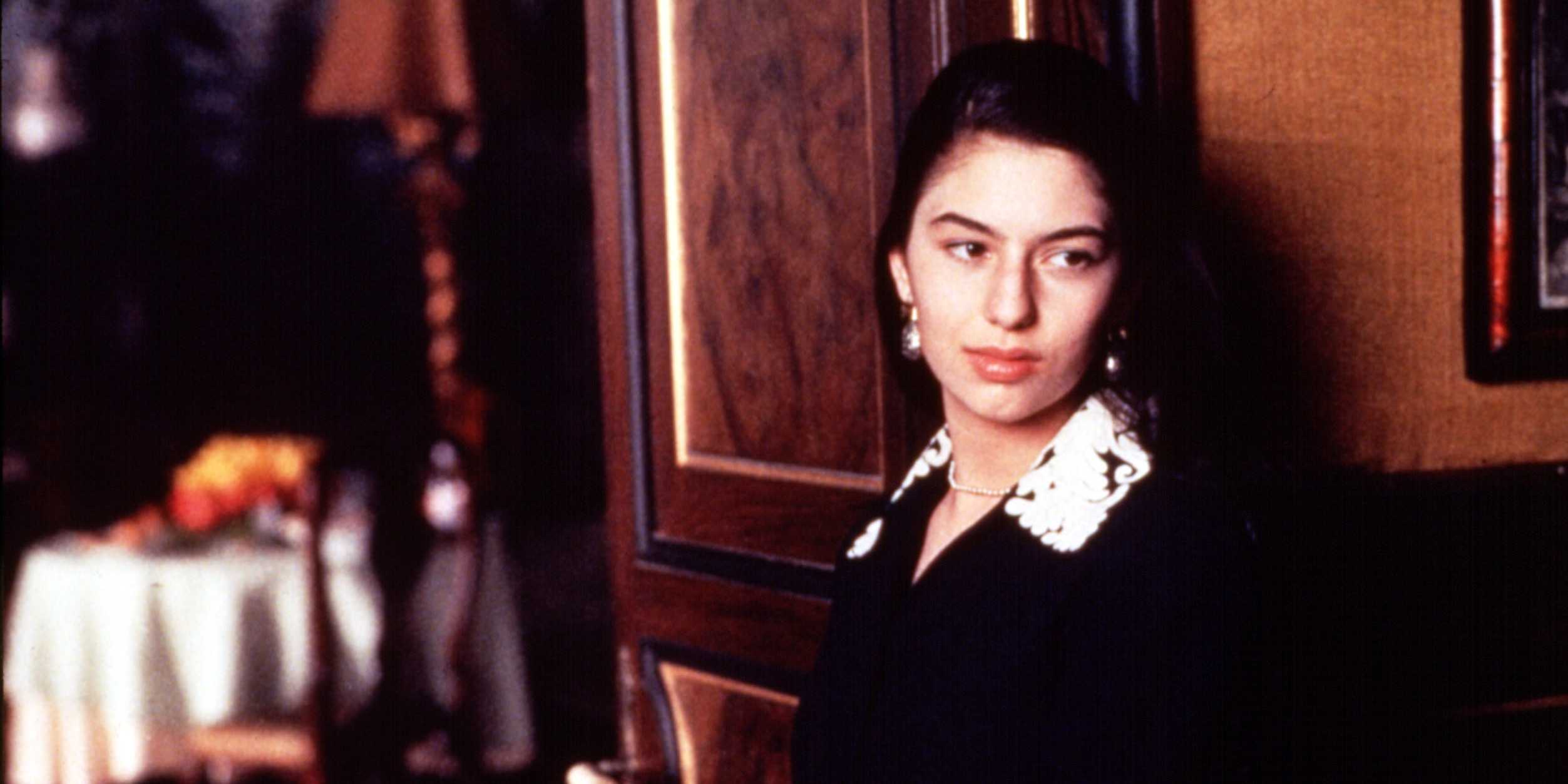
Francis Ford Coppola cast several of his family members in The Godfather, a decision that sparked debate over the years. His mother, Italia Coppola, appeared in background scenes, as did his sons, Roman and Gian-Carlo Coppola. Roman Coppola played young Sonny in the flashback scenes of The Godfather Part II. Aunts, uncles, and even grandchildren found themselves in minor roles on the set. This was an artistic choice to maintain the film’s familial theme.
However, the more prominent roles held by Coppola’s family included Mary Corleone, played by Sofia Coppola, and Connie Corleone, portrayed by the director’s sister, Talia Shire. While Shire improved in the final film, Sofia Coppola received criticism for her performance in The Godfather Part III, which many felt was wooden and unconvincing. It’s hard to imagine how the final film might have turned out with a more experienced actress in the role.
The Last Two Movies Were Duller Without Marlon Brando’s Vito
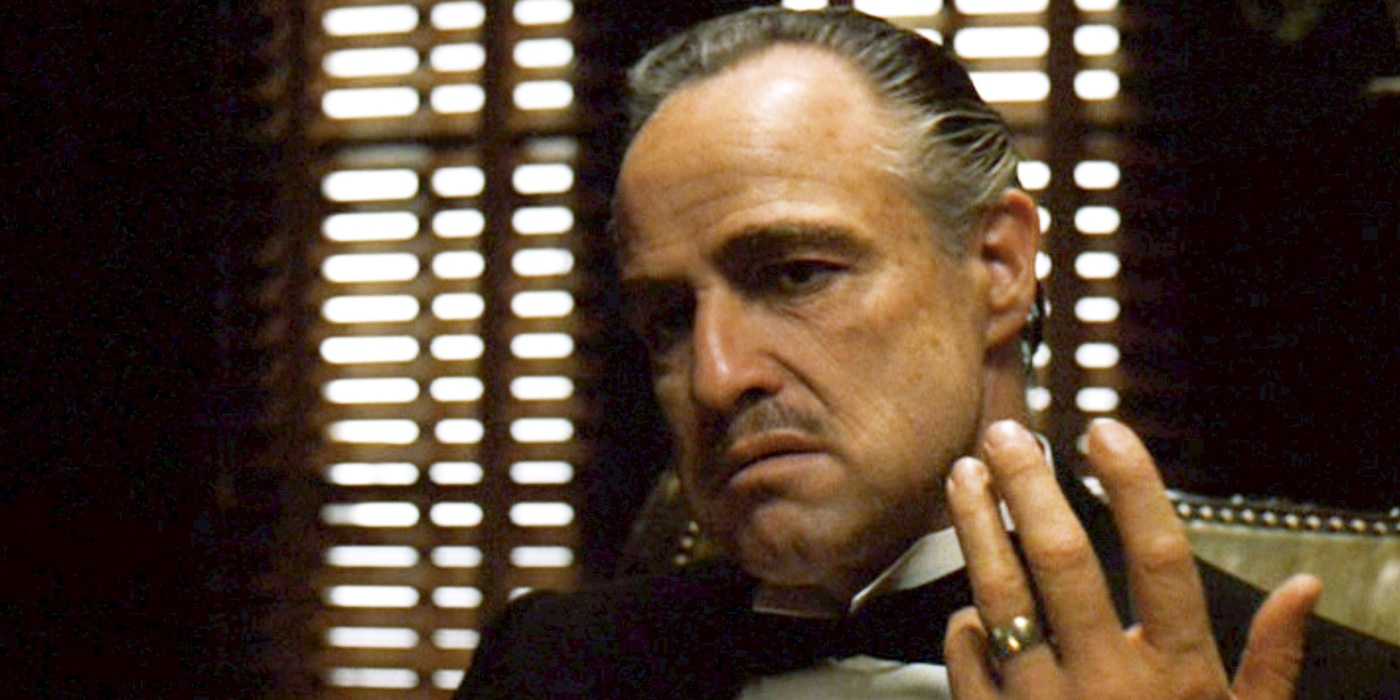
Marlon Brando’s performance as Vito Corleone in the first film was nuanced, balancing vulnerability and menace. He became the axis around which the entire world of the Corleones revolved, and his presence was essential to the trilogy’s success. In The Godfather Part II, Robert De Niro played a younger Vito, capturing a different energy but lacking the gravitas that Brando brought.
Brando’s Vito was the older, more mature counterbalance to Michael’s coldness. He served as a steadying force for his son, making The Godfather such a compelling watch. With Brando gone, the last two movies lacked the weight and warmth that De Niro could not fill. His flashbacks provided an origin story, while Brando anchored the narrative in the present. Unfortunately, Brando was supposed to appear in the birthday flashback of The Godfather Part II, but the special appearance never materialized.
Al Pacino’s Performance in the Last Movie Was Abysmal
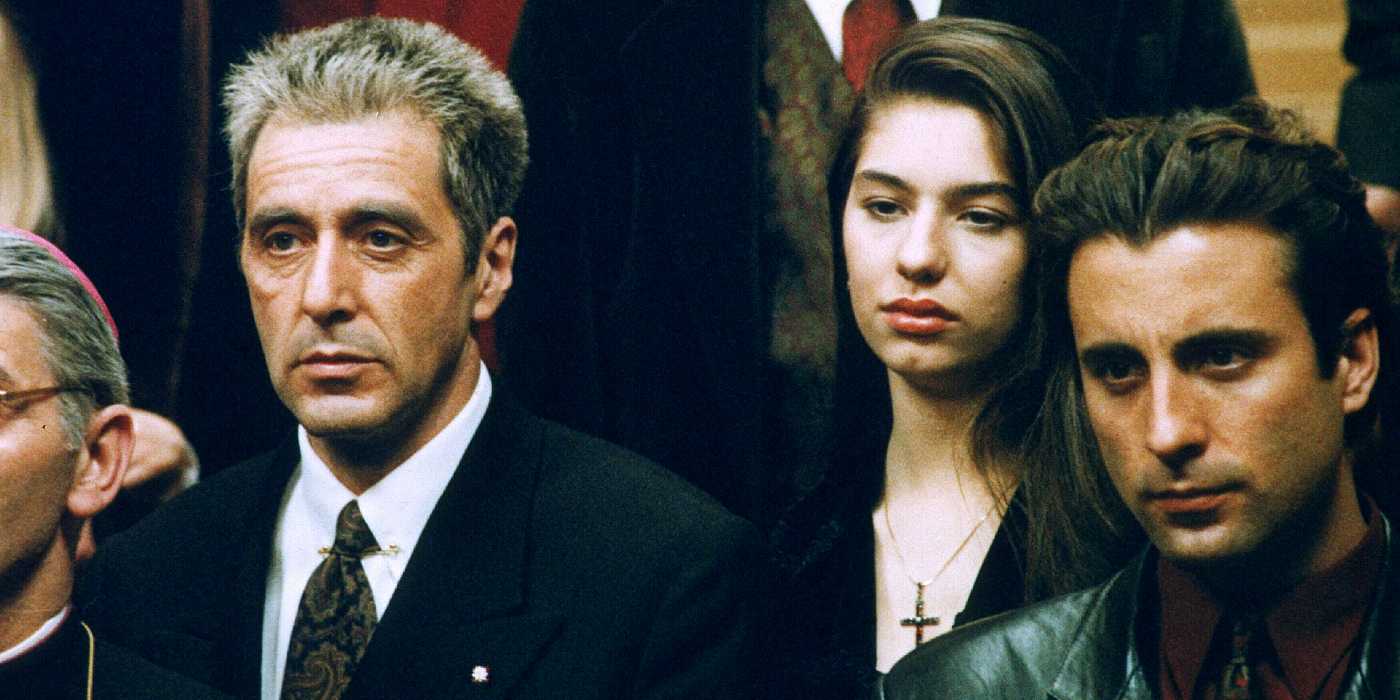
Al Pacino’s portrayal of Michael Corleone in the first two films was masterful, capturing his transformation from a happy civilian to an isolated Mafia Don. However, his performance in The Godfather Part III was lackluster. It seemed as though he was simply acting as himself, without considering how an aging Michael would react in complex situations.
This could be attributed to the long gap between the last two films or a weak script. Michael’s charisma and shrewdness, which made him menacing in the earlier films, were noticeably absent. His sudden descent into guilt-ridden old age felt uncharacteristic, and his easy handover of the empire to Vincent was hard to believe. Fans have since recognized that Michael seemed like a completely different man in the final installment.
The Treatment of Women in The Godfather Was Egregious
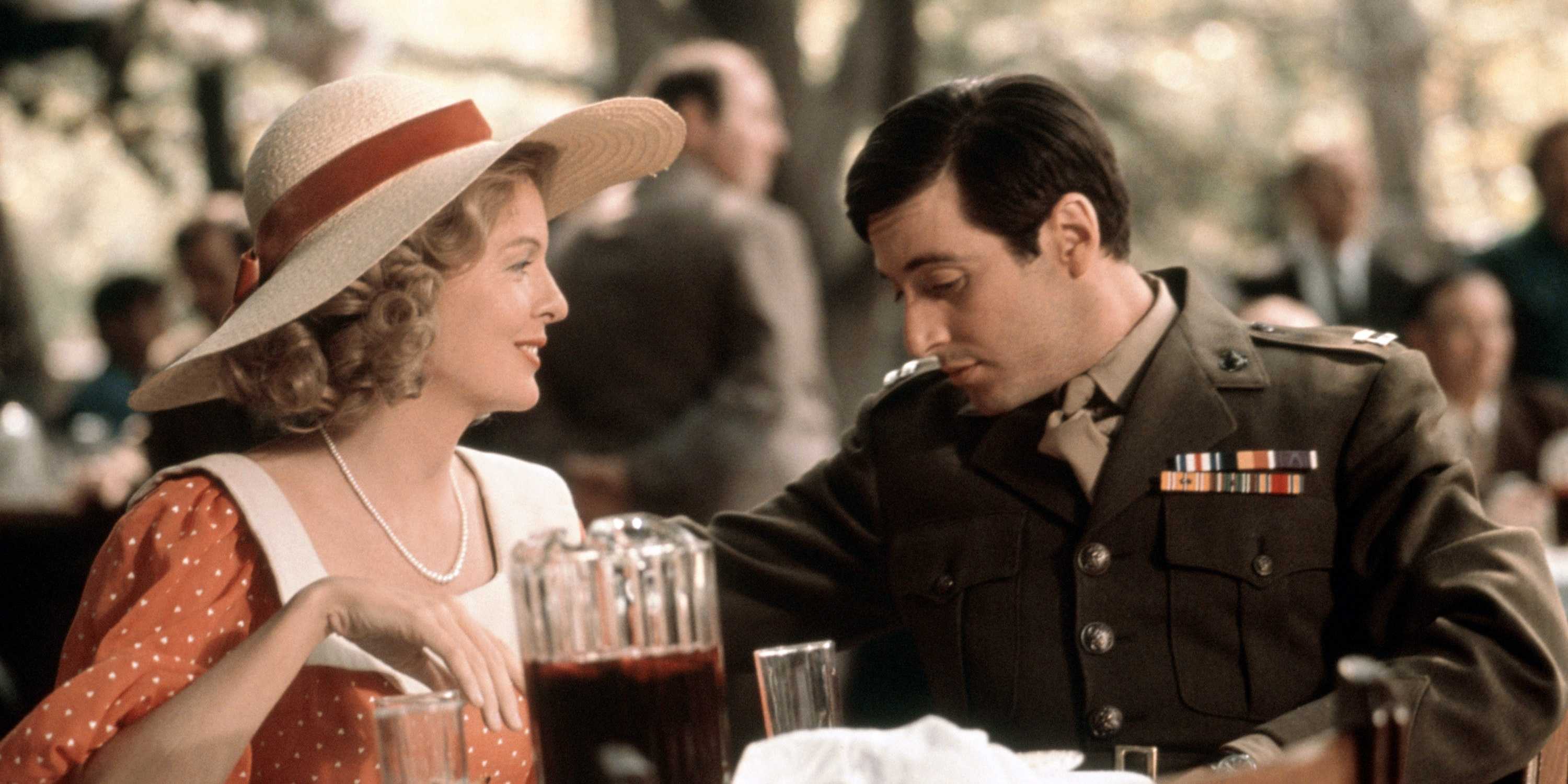
One of the most glaring flaws in The Godfather trilogy is the treatment of its female characters. In each film, women are pushed to the margins, often used as plot devices to further the male characters’ arcs. Kay starts as Michael’s moral compass but ends up silenced and condemned. Connie is introduced as the sister who is only Corleone in name, never holding real power. She becomes a victim of her husband and is quickly put in her place when she dares to assert herself.
Mary and Apollonia are even worse off, serving as sacrificial lambs to develop Michael’s character. The female characters lack ambitions, complexities, and independent thoughts throughout the saga, making their roles feel shallow and outdated.
The Godfather Part III Was Basically About Incest
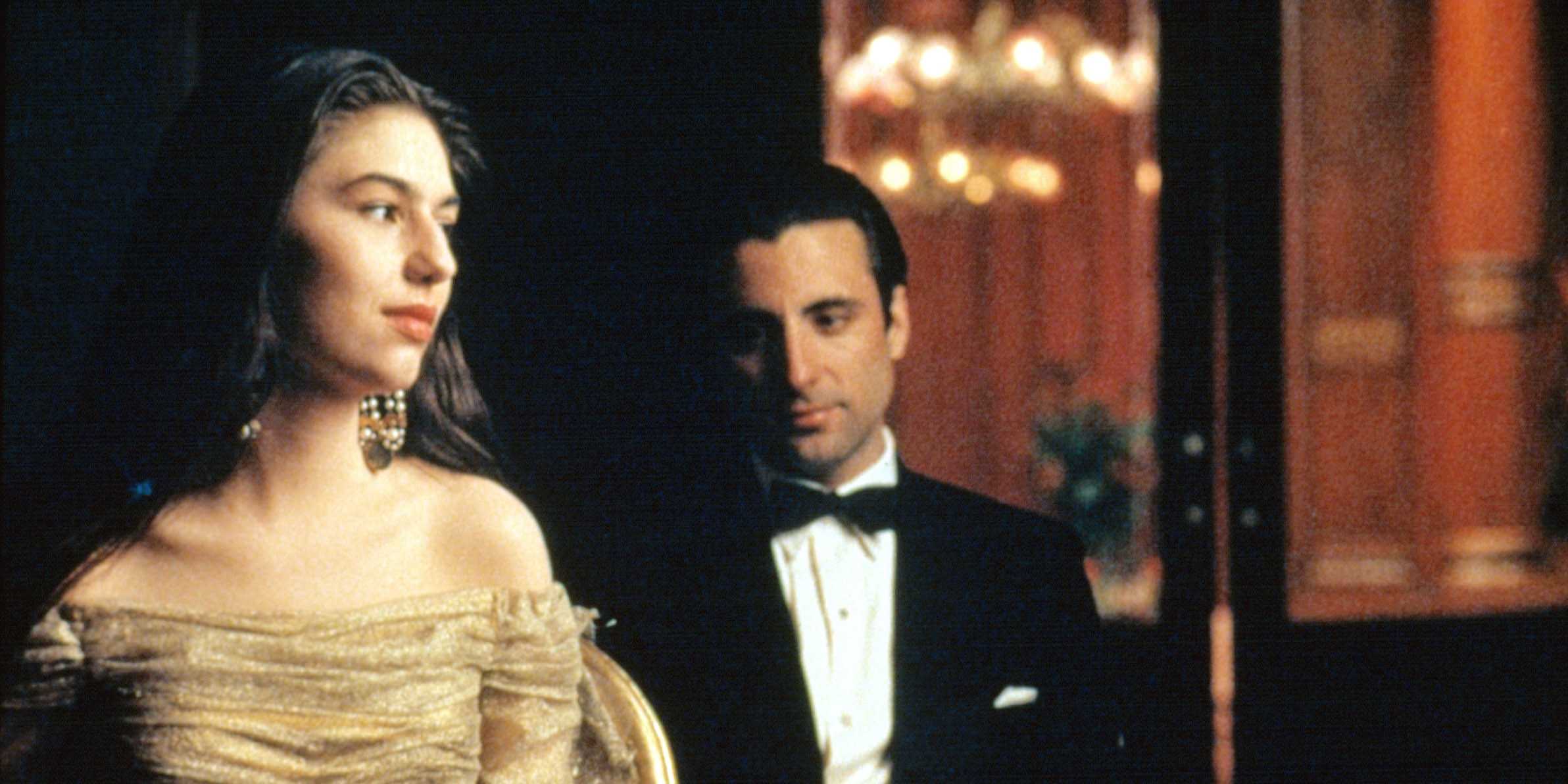
The finale of The Godfather trilogy has been widely criticized, but one of the worst aspects is its central theme: incest. The relationship between Vincent Mancini and Mary Corleone is the most significant plot point, but they are first cousins, making their romance uncomfortable. This is the source of Vincent’s pain, and his sacrifice to become the Don makes little sense.
The film forces the audience to invest emotionally in an objectively taboo relationship, which feels jarring. A gangster movie focusing so much on a love story was unusual at the time. Ultimately, the incest subplot overshadows Michael’s attempts at redemption and Vincent’s rise to power, ending in tragedy when Mary is shot dead. This unsettling theme detracts from the film’s main objective and should have been reworked or removed entirely.