






Apple TV+ and the Rise of Cyberpunk Storytelling
Apple TV+ is becoming a hub for thought-provoking, introspective science fiction shows, and this trend is more evident than ever. The streaming service is currently adapting Neuromancer, an iconic cyberpunk novel by William Gibson that helped define the genre’s tropes. This adaptation has taken decades to come to fruition, but it may ironically signal the end of another sci-fi franchise.
Tron: Ares is likely the final chapter of the Tron franchise as fans know it. The 2025 movie was a massive box office failure, continuing a financial struggle that has plagued the franchise since its inception. While the original Tron enjoyed cult status, it never became a mainstream hit. Now, a novel that some have compared to Tron is being adapted, and it may just mark the end of the Disney franchise.
Neuromancer Is One of the Densest Sci-Fi Works Ever
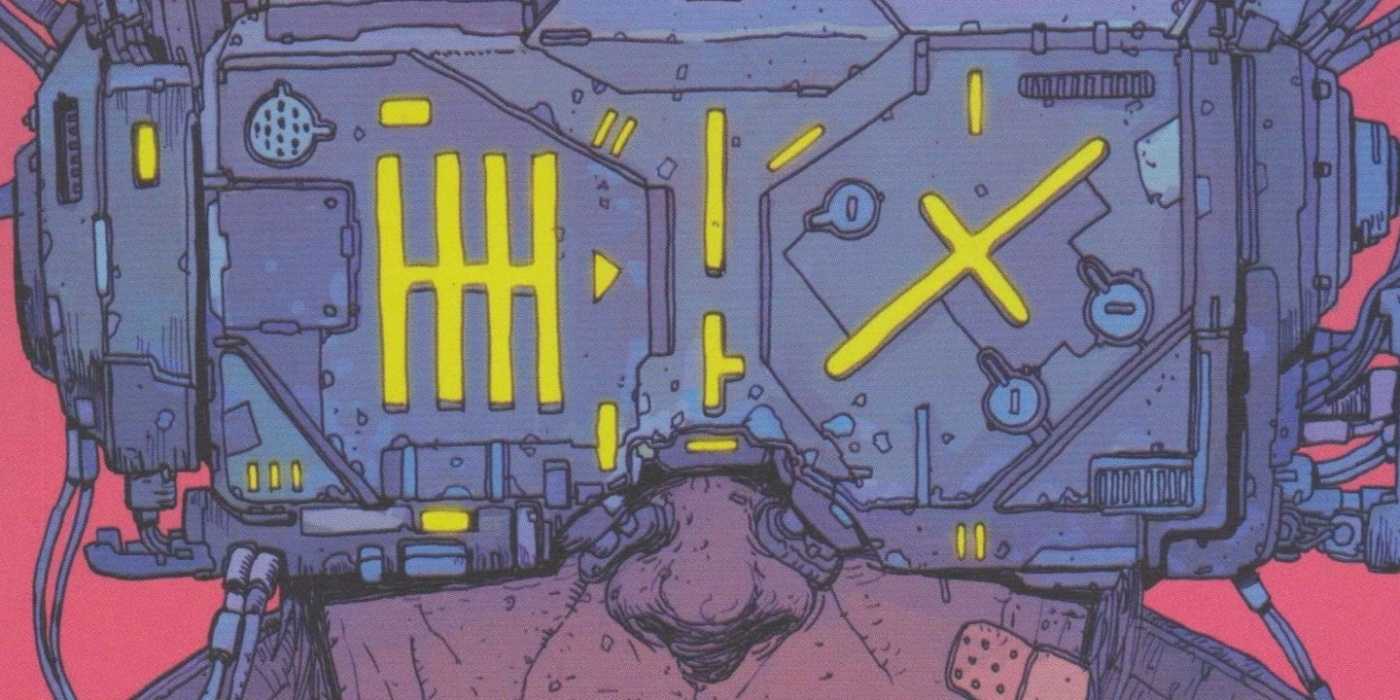
Published over four decades ago, Neuromancer is a foundational work in the cyberpunk science fiction genre. Alongside Neal Stephenson’s Snow Crash, it is one of the most influential and prescient examples of the genre, with its themes and elements appearing in countless similar works. It is the first part of a trilogy, followed by Count Zero and Mona Lisa Overdrive. While the plot may seem simple by today’s standards, the novel is rich with complex ideas, particularly the concept of “cyberspace,” which was first introduced in Gibson’s short story Burning Chrome.
The protagonist, Case, is a skilled hacker who leads a cyber heist alongside a powerful artificial intelligence. This narrative was preceded by Gibson’s short story Johnny Mnemonic, which was later adapted into a film that bore little resemblance to the original. The novel also introduced Molly, a character who appears in Neuromancer and other works. Beyond its influence on cyberpunk storytelling, the novel explores the financial and sociopolitical landscape of the 1980s through a futuristic lens.
Despite its initial lack of attention, Neuromancer gained a large following and is now widely acclaimed by readers and critics. However, its dense techno-jargon and complex concepts have made it challenging to adapt into film or television. Fortunately, the current era of neo-prestige television has made such adaptations possible, while also drawing parallels to another, more mainstream work.
Tron and Neuromancer Share Several Similarities
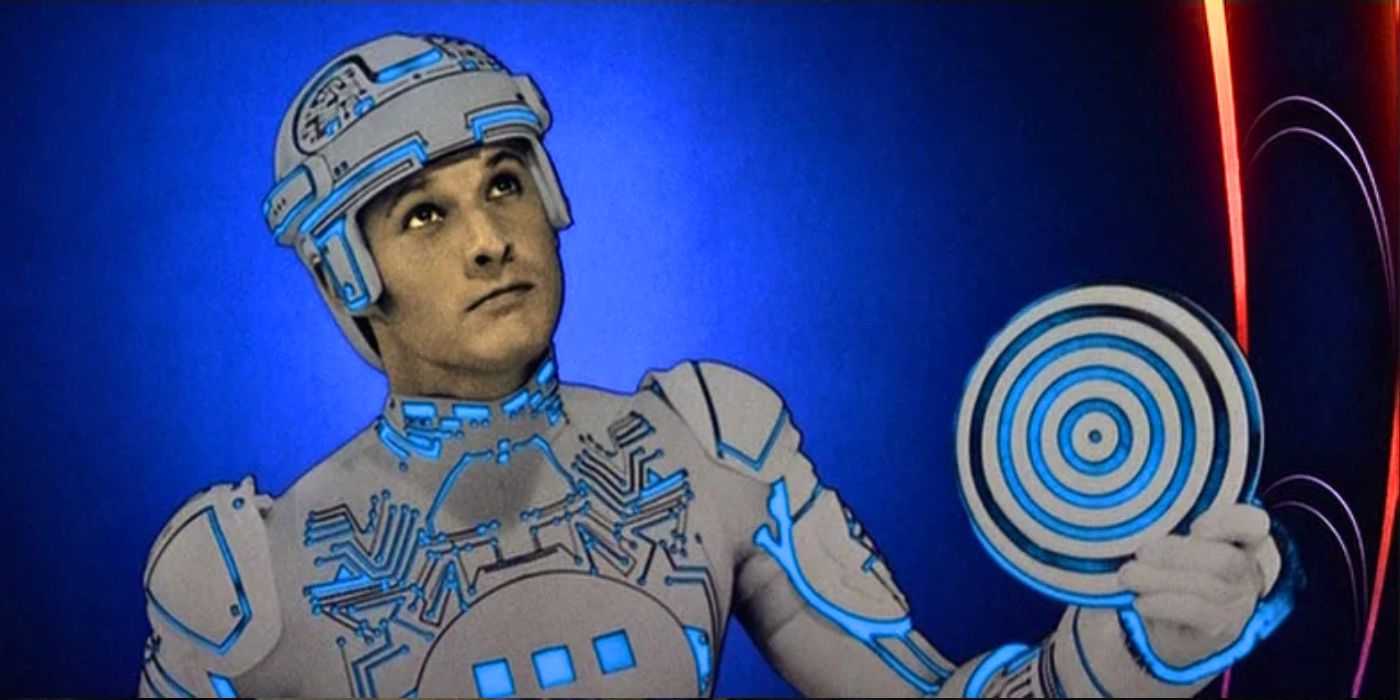
Although some might assume the opposite, the original Tron came out two years before Neuromancer was published. This was also one year after Gibson’s earlier works that influenced Neuromancer. Whether Tron inspired Neuromancer or vice versa is debatable, but it is clear that Tron served as a visual inspiration for many science fiction works. The plot of Tron involves a human consciousness entering a digital world, a concept that may influence the aesthetics of the upcoming Neuromancer TV series.
Both stories are early depictions of how digital landscapes might be represented, though they reflect outdated views of technology. The success of Tron among fans of Gibson’s stories helped bring cyberpunk concepts into the mainstream, something that the dense short stories and novels could not achieve on their own. Gibson has also confirmed that he was influenced by Blade Runner while writing Neuromancer, which further solidified the genre’s presence in popular culture.
Tron: Ares Flopping Creates Space for Neuromancer

The Tron franchise has never been a mainstream hit, with even the original film gaining more recognition for its visuals than its sci-fi concepts. The 2010 sequel Tron: Legacy was praised for its visuals and Daft Punk’s soundtrack, but it barely broke even at the box office. Tron: Ares, released in 2025, was a major flop, earning less than $150 million on a reported $180 million budget. This has led to speculation that Disney will not produce any more Tron movies.
At the same time, Apple TV+ has announced its adaptation of Neuromancer, a move that aligns with the company’s efforts to create high-quality sci-fi content. The success of Foundation, based on Isaac Asimov’s novel, demonstrates how these stories can thrive on television. If Neuromancer is even half as good as the novel, it could surpass the Tron franchise in both critical and commercial appeal.
The failure of Tron: Ares suggests there is little appetite for the Tron brand, and it is possible that Neuromancer will fill that gap, becoming “Tron for adults.” This situation mirrors what happened with Dune, where Frank Herbert’s novel inspired Star Wars but now benefits from its own resurgence.
Sci-Fi is in a New Golden Age for TV and Film

The recent Dune films have brought Frank Herbert’s classic sci-fi story back into the mainstream, far surpassing the David Lynch adaptation. This popularity has even led to an HBO Max prequel, Dune: Prophecy, loosely based on Brian Herbert’s Sisterhood of Dune novel. There is also a shared cast between Neuromancer and Dune: Prophecy, including Mark Strong, making it easier for the former to follow in the footsteps of the latter.
It is unlikely that Disney will use the potential success of Neuromancer to revive the Tron franchise, as the two cater to different audiences. While Tron relied on visual spectacle, Neuromancer offers a more mature, cerebral take on cyberpunk. In this way, it is a more successful version of James Cameron’s Avatar franchise, albeit without the same box office appeal.
As a TV show, Neuromancer won’t face the same box office pressures as Tron, but it is expected to make a stronger critical impression. With the rise of high-quality sci-fi content, the future looks bright for adaptations that challenge audiences with complex ideas and immersive storytelling.