





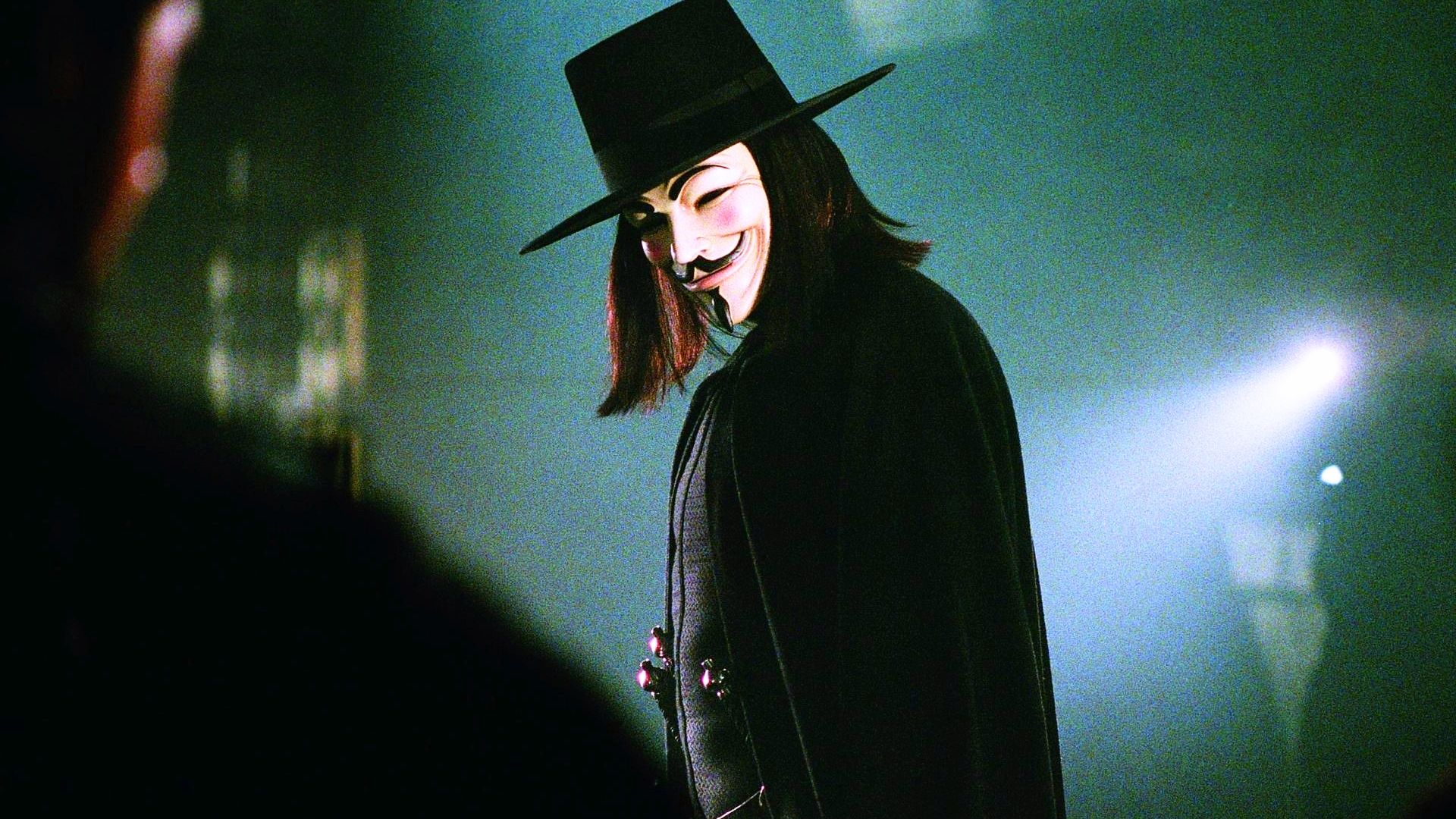

The Origins and Evolution of V for Vendetta
In late 2005, V for Vendetta made its debut at an Austin, Texas film festival six months before its wide release. This marked the first time the story, originally created by Alan Moore, was adapted into a feature film. However, Moore, a revered writer known for his work on comics like Watchmen, expressed strong disapproval of the adaptation. He criticized the Wachowskis, who wrote the screenplay, for taking significant creative liberties that deviated from the original comic. Despite this, the film version of V for Vendetta has remained as relevant today as it was when it first premiered, with one of its most powerful quotes still resonating.
Now, DC Studios is preparing to produce a television series based on V for Vendetta. With more time than a feature film, the series may offer a more faithful adaptation of the original comic, which was published between 1982 and 1989. The graphic novel was initially released in Warrior comics before being reprinted by DC Comics. The story follows a near-future Britain ruled by the fascist Norsefire party, led by a computer system that V eventually takes control of. It also explores anarchist ideals, making it a groundbreaking work in the world of comics.
How the Film Differed From the Comic (And Why It’s Important)
The original V for Vendetta is still seen as a revolutionary work because of how it portrays a violent, anarchic response to a fascist government. It is one of many comics banned in the U.S. over the last five years. Moore envisioned the story as a result of what he believed would be the certainty that the 1983 election in the U.K. would oust Margaret Thatcher’s right-wing government. Although she retained power until 1990, her Labour opponent, Michael Foot, had promised nuclear disarmament, which Moore imagined would spare the U.K. from a devastating nuclear war.
While the Wachowskis were fans of the comics, they used the story as a foundation for their own take on Moore’s epic against fascism. They recast the Norsefire government as an extension of neo-conservatism, a political ideology prevalent in the late 1990s and early 2000s. The film also embraces anarchist ideals, but not as a political end-state. Instead, it uses anarchy as a thematic influence.
The Most Incendiary Quote From V For Vendetta Goes Back to the American Revolution
One of the most memorable lines from the film is spoken by V: “People should not be afraid of their governments. Governments should be afraid of their people.” This quote echoes sentiments expressed by figures like Thomas Paine, Samuel Adams, and Thomas Jefferson during the American Revolution. While these leaders never used the exact wording, their ideas about liberty and tyranny were closely aligned with V’s message.
The quote remains startlingly applicable to the modern day, especially as the meaning of “fascism” has become muddled in public discourse. Fascism is often misused to describe any form of right-wing politics, even though it refers to a specific ideology characterized by strict social and economic control, prioritizing the nation over individuals.
How the Real World Fears Around Fascism Changed Over the Past 20 Years
Since the Wachowskis produced V for Vendetta, the fear of fascism has evolved. The post-9/11 response from the Bush-Cheney administration often drew comparisons to fascist ideologies, and ironically, the fall of neo-conservative leaders gave way to a new wave of ultranationalist populism. In recent years, under Donald Trump’s administration, there have been increased attacks on diversity programs and critical comedians like Jimmy Kimmel and Stephen Colbert.
In the U.S., draconian immigration policies have led to mass arrests and deportations by Immigration and Customs Enforcement (ICE). These masked federal agents often refuse to identify themselves, and they’ve even illegally arrested and deported U.S. citizens. In response to public outrage, ICE has used Pokémon-style cards bearing the faces of their targets, almost as a taunt.
How the V For Vendetta Film’s 20-Year Legacy Elevates It, Along With Alan Moore’s Work
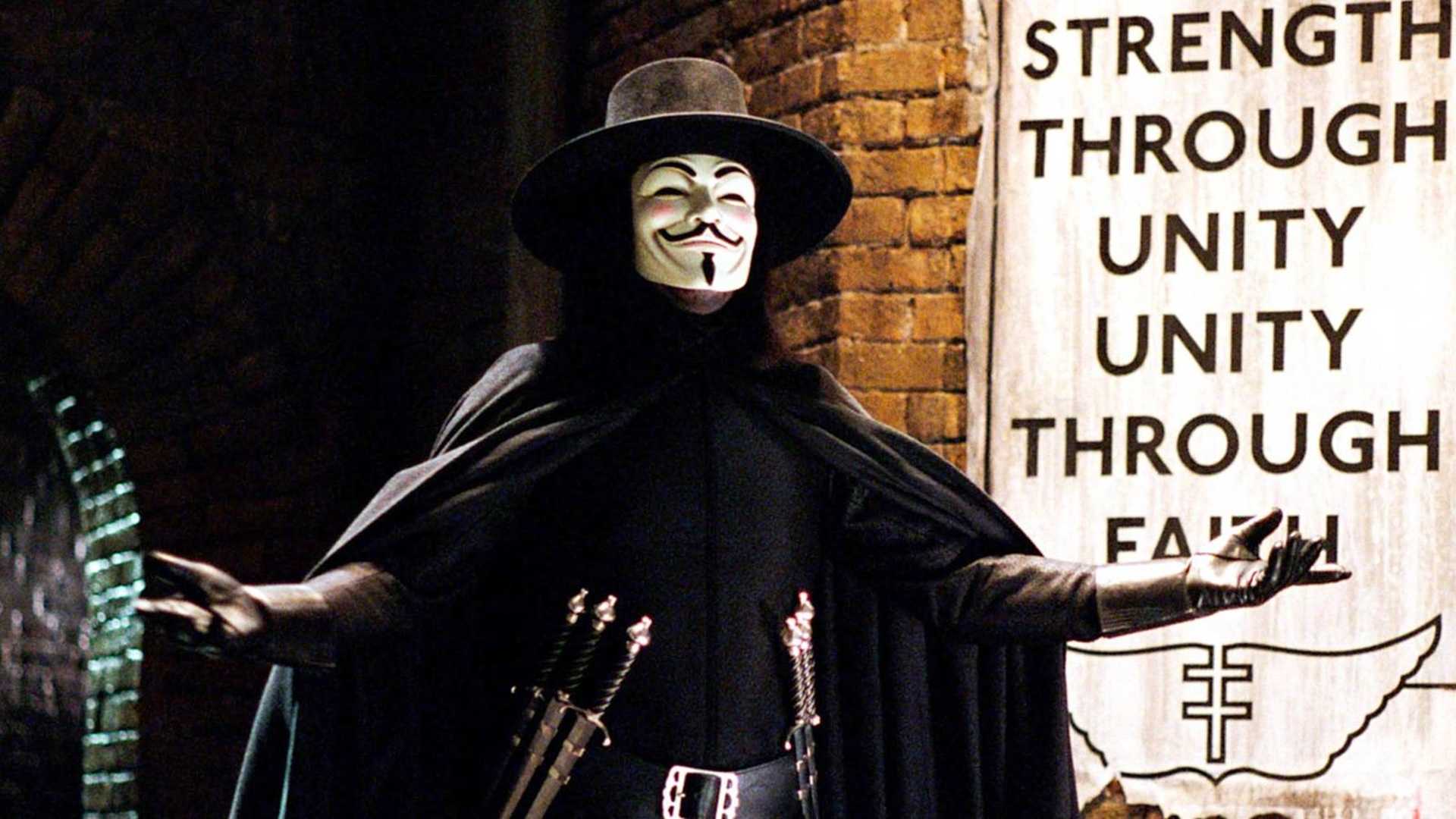
The comic version of V for Vendetta has aged in ways that are both prescient and problematic. While the film handles issues around LGBTQ+ oppression better than the books, it has faced criticism for its focus on violence as the bedrock of V’s campaign. The idea that “governments should be afraid of their people” does not encourage targeted violence towards individuals.
One of the reasons V for Vendetta features some of comics’ best social commentary is that it serves as an exaggerated warning about the inevitable end awaiting fascists. In both the books and the film, V’s campaign sets various fascist leaders against one another. In the film, the two most effective strikes against the fascists happen on television, using satire and mockery as tools against oppressive regimes.
Freedom of expression is what creates fear in the government of its people, not violence. Attacking political mouthpieces or agents of the government is, arguably, an asset to fascistic leaders. It creates the pretense to tighten their control on social and economic liberty.
Comic book censorship of titles like V for Vendetta, Maus, or other works continues, but it always fails. Banning a book just makes people even more eager to read it. This is why the film frequently points out that V’s identity doesn’t matter, because he represents an idea. And ideas are the one thing fascists can never kill.
V for Vendetta is available on DVD, Blu-ray, and digital wherever movies are sold and will return to theaters on November 1 and 5, 2026.