



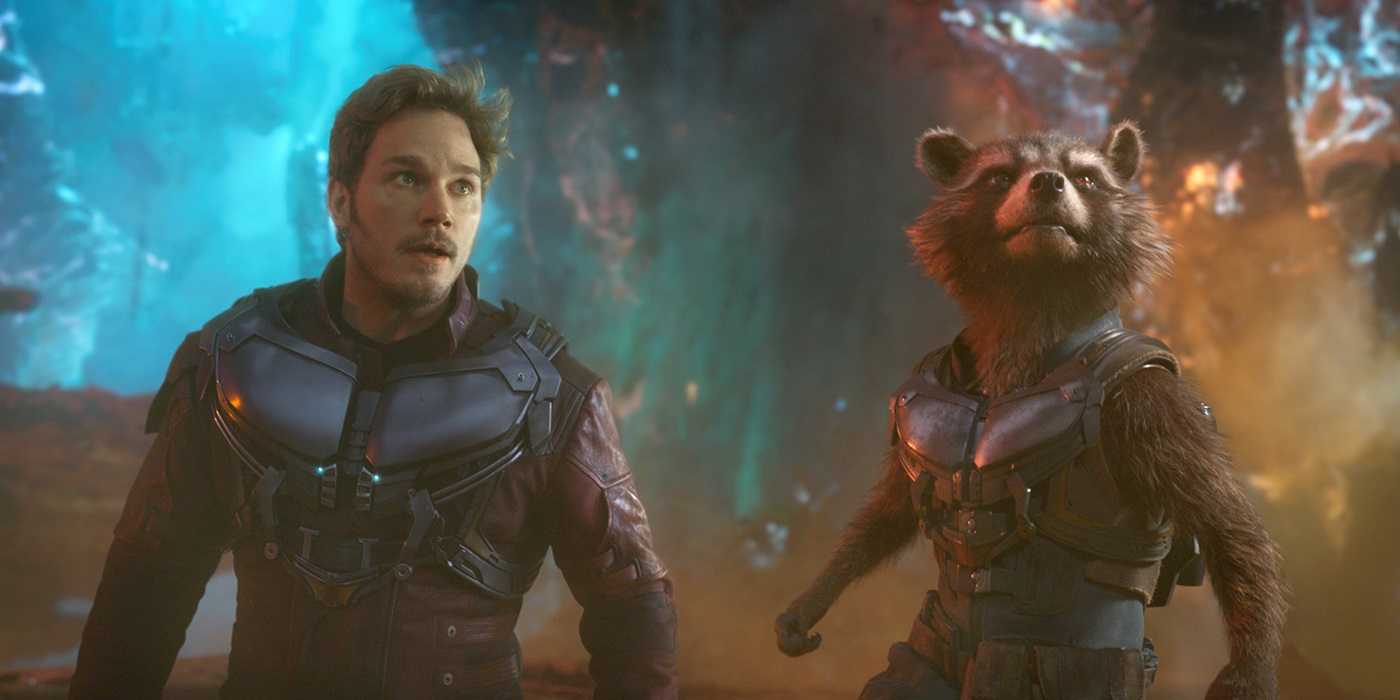
Star-Lord vs Rocket
Star-Lord and Rocket Raccoon’s friendship is one of the MCU’s most entertaining combinations of camaraderie and chaos. From their first meeting in Guardians of the Galaxy, Rocket’s abrasive attitude clashes with Peter Quill’s more optimistic, sometimes naive approach. Rocket’s sarcastic quips and impulsive behavior often frustrate Star-Lord, while Quill’s leadership and emotional decisions test Rocket’s loyalty and patience.
Their arguments often mask deeper affection, highlighting the bonds that make the Guardians feel like a family. In high-stakes moments, their rivalry evolves into a formidable teamwork dynamic. It proves that even in disagreements, their combined skills are unmatched.
By Guardians of the Galaxy Vol. 3, the pair had been cemented as some of the team’s closest friends. This blend of humor, tension, and emotional depth elevates their rivalry beyond petty squabbles. It shows how two contrasting personalities can challenge, annoy, and ultimately complement one another in the MCU’s cosmic playground.
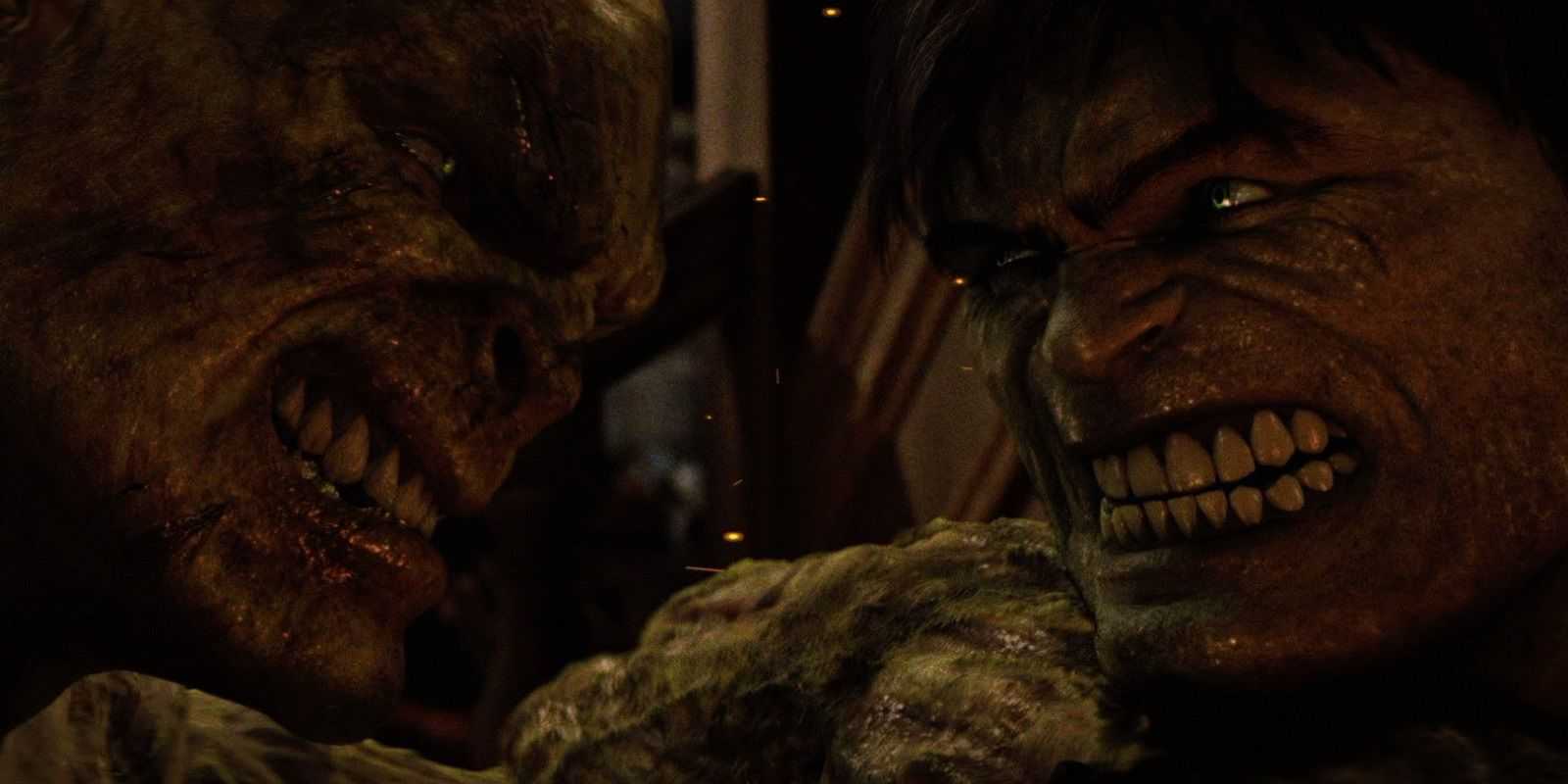
Hulk vs Abomination
Hulk’s rivalry with Abomination in The Incredible Hulk is a visceral, raw display of power and rage. Emil Blonsky’s transformation into Abomination creates a villain capable of matching, and arguably exceeding, Hulk’s sheer strength. Unlike many MCU battles, this rivalry is rooted in envy and aggression, as Blonsky’s desire to surpass Hulk fuels his destructive rampage.
Their clashes are as much emotional as they are physical, embodying the dangers of unchecked anger and ambition. Unlike Hulk’s moral complexity, Abomination embraces chaos, making every confrontation unpredictable and dangerous. The 2008 showdown set a precedent for the MCU’s depiction of monstrous duels.
Their battle in Harlem combined high-stakes action with emotional stakes tied to Bruce Banner’s struggle to control his inner beast. The pair’s antagonism was briefly revisited in She-Hulk: Attorney at Law. Their rivalry remains iconic, influencing Hulk’s character development across the franchise.
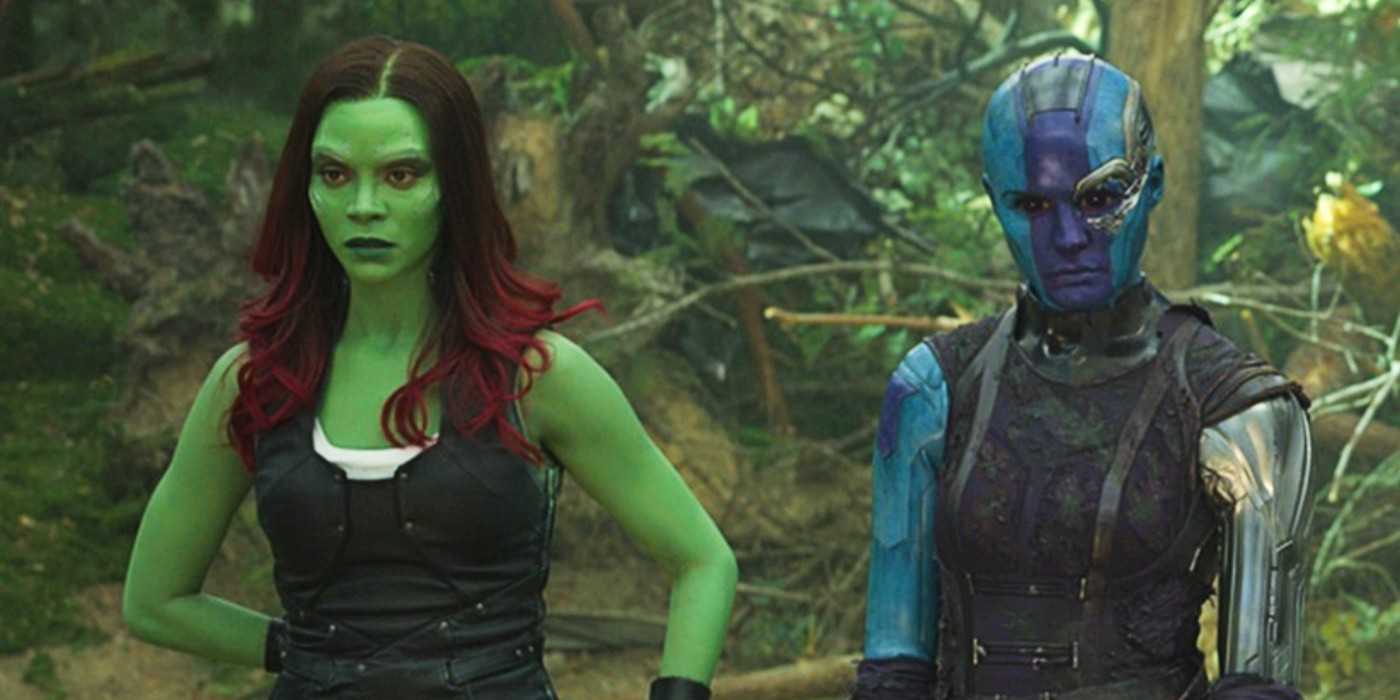
Gamora vs Nebula
Gamora and Nebula’s relationship is one of the MCU’s most tragic and layered. Raised under Thanos’ brutal regime, the sisters were pitted against each other in a constant cycle of competition, punishment, and resentment. Gamora, driven by a desire for morality and independence, constantly clashes with Nebula, whose bitterness and thirst for approval fuel her aggression.
Their conflicts are both physical and psychological, showcasing the lasting impact of parental abuse and manipulation. Guardians of the Galaxy Vol. 2 deepens this rivalry, exploring themes of redemption, forgiveness, and the complex nature of family bonds. What makes it especially compelling is the evolution from pure enmity to mutual understanding.
Both sisters grapple with their shared trauma while forging a tentative alliance. This mix of emotional weight and personal stakes elevates their rivalry above mere hero-villain dynamics. Whether dueling as warring villains or teaming up as allies, their dynamic is consistently compelling.
Scarlet Witch vs Agatha Harkness
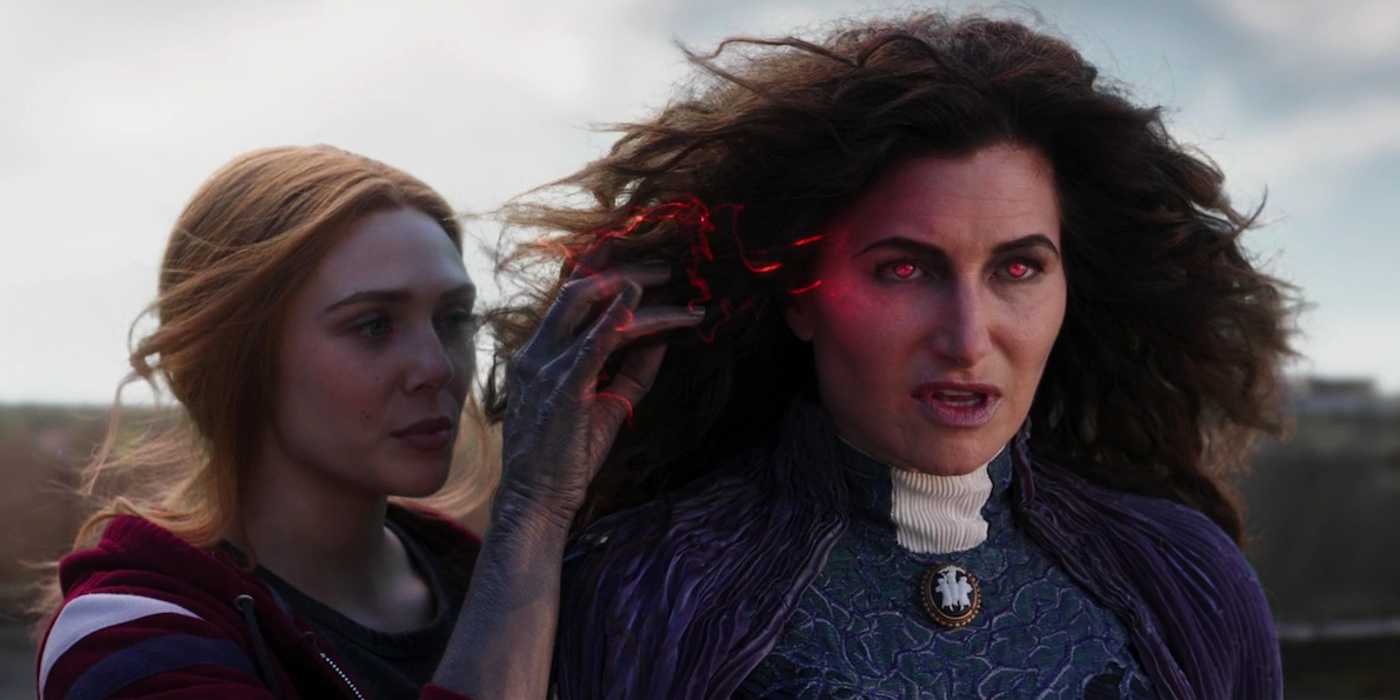
Wanda Maximoff’s confrontation with Agatha Harkness in WandaVision highlights one of the MCU’s most psychologically charged rivalries. Agatha, intrigued and envious of Wanda’s chaotic power, had been constantly testing her powers while lurking as a seemingly innocuous neighbor. In reality, she’s challenging Wanda’s control over her own abilities and reality.
Unlike conventional battles, their ultimate confrontation blends magic, intellect, and emotion, emphasizing psychological warfare over brute force. Agatha’s mockery and probing questions push Wanda to confront her grief and trauma, transforming a magical duel into a deeply personal journey. The rivalry’s stakes are intimate, with Westview and Wanda’s own psyche hanging in the balance.
Yet it carries universe-level consequences due to Wanda’s immense power. This confrontation brilliantly showcases how rivalries in the MCU can explore character growth, self-discovery, and the thin line between control and chaos. It is a standout conflict in Marvel’s magical realm, spawning unexpected superhero sequel series.
Falcon vs The Winter Soldier
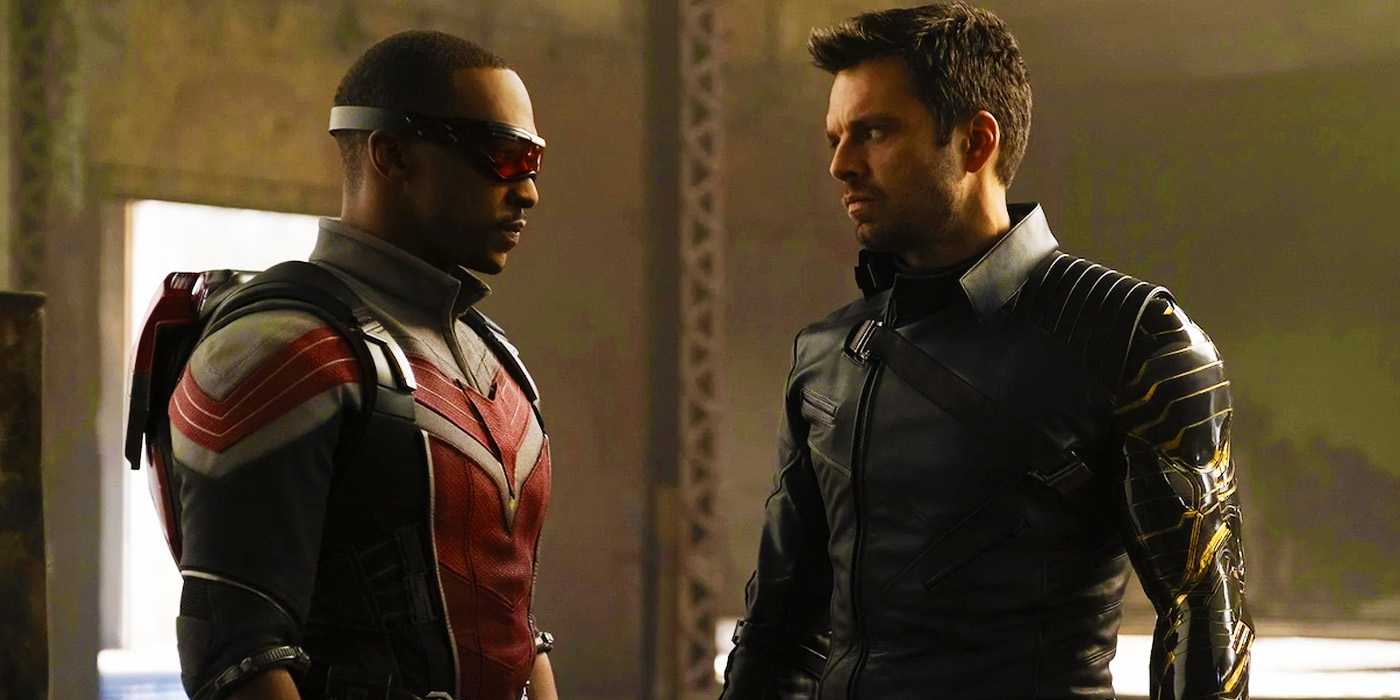
Sam Wilson and Bucky Barnes’ rivalry in the MCU is grounded in legacy, ideology, and identity. The two initially clash over Bucky’s villainous past and Sam’s militant pragmatism, brought together by their mutual respect for Steve Rogers. They each represent different perspectives on heroism.
Sam embodies hope, diplomacy, and social consciousness, while Bucky carries the weight of a violent past and loyalty to a more traditional sense of duty. Their mutual friendships eventually forced them together, leading to several emotionally charged confrontations. Their resultant friction is fueled by misunderstandings, generational differences, and contrasting approaches to justice.
Over time, the rivalry evolves into mutual respect. Both characters learn from each other’s experiences and perspectives. This blend of personal stakes, moral questioning, and symbolic importance makes their rivalry a nuanced reflection on the responsibility that comes with power and legacy in the MCU.
Thor vs Star-Lord
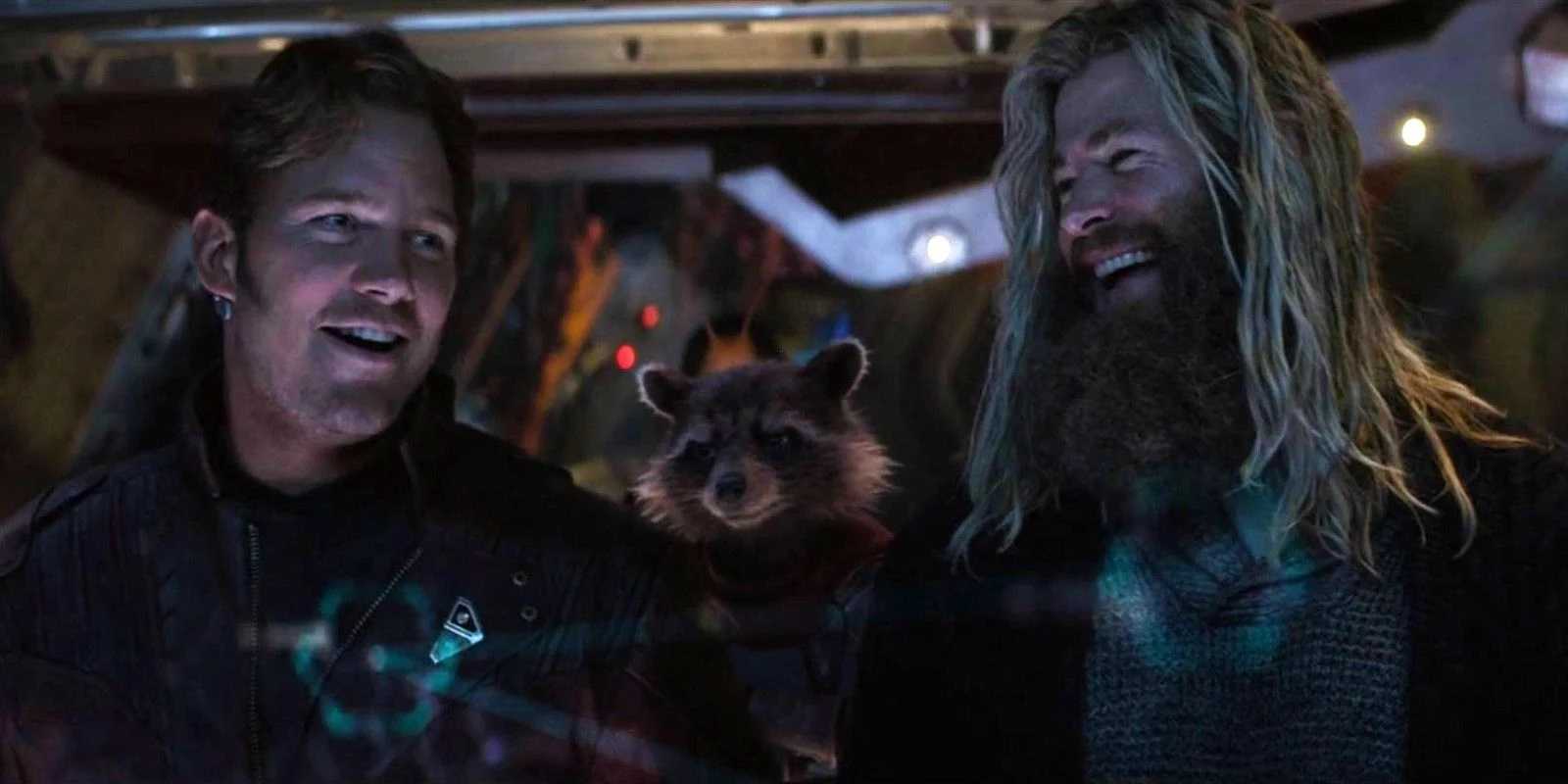
Thor and Star-Lord’s rivalry is fueled by sheer egos, cosmic scale, and humor. In Avengers: Infinity War, their first meeting sees Thor confronting Star-Lord’s impulsive and often reckless behavior, while Star-Lord views the God of Thunder as pompous and overly serious. Their interactions mix comedy and conflict, emphasizing the contrast between Star-Lord’s human irreverence and Thor’s divine gravitas.
Though their rivalry is less personal than others, it’s highlighted by the humorous tension of mismatched leadership styles and differing approaches to heroics. Both are leaders of their respective teams, yet their clashing personalities make teamwork entertainingly chaotic. Thor joining the Guardians while joking that Quill is “of course” still the group’s leader is perhaps the exemplar of this hilarious dynamic.
The pair’s partnership was hilarious but brief, concluding in Thor: Love and Thunder. It proves that rivalries in the MCU don’t always need deep emotional wounds to be compelling. They can thrive on humor, competitiveness, and larger-than-life personalities colliding across the cosmos.
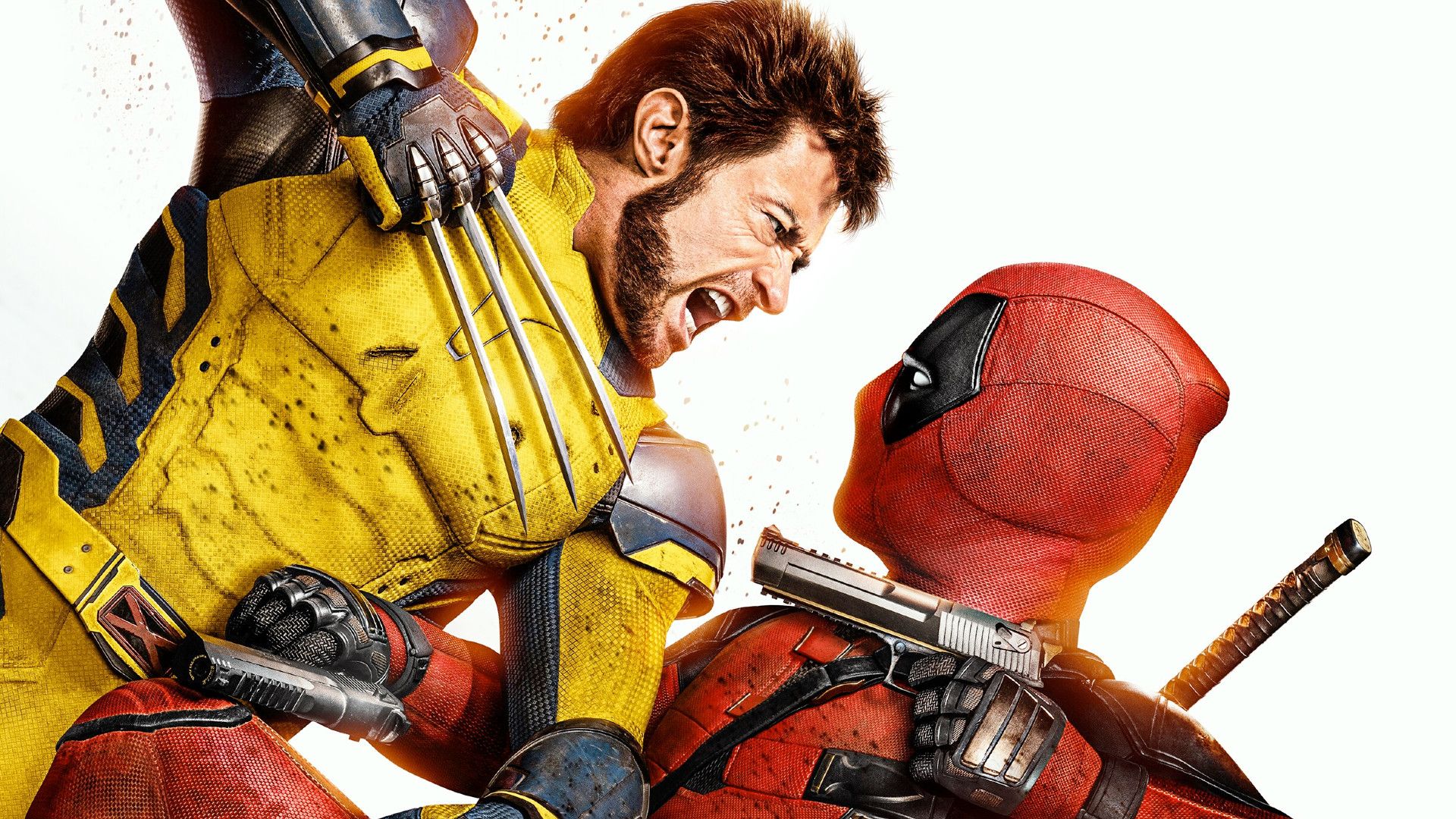
Deadpool vs Wolverine
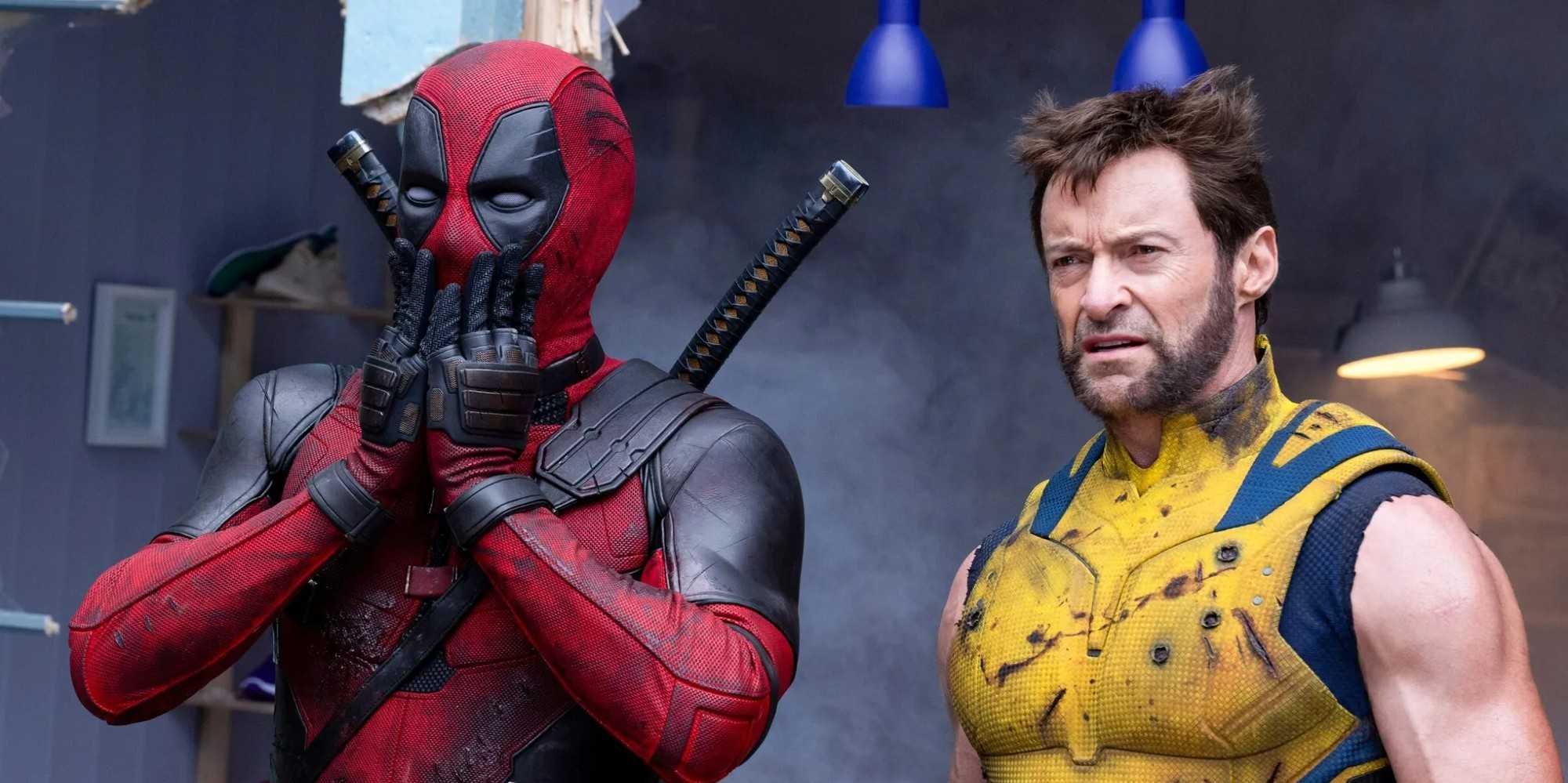
Deadpool & Wolverine brought the infamous Marvel rivals together on screen. Forging an uneasy partnership, the pair clashed repeatedly, and with riotous results. Logan’s gruff, no-nonsense approach contrasts sharply with Deadpool’s chaotic humor and moral ambiguity, creating endless conflict and comic relief.
Deadpool’s insistence on breaking the fourth wall, flippant attitude, and relentless taunting directly irritate Wolverine, whose patience is notoriously thin. Their battles are often brutal yet comedic, with Wolverine’s raw ferocity meeting Deadpool’s unorthodox, unpredictable tactics. Their gruesome fight inside their car is a particular highlight.
Despite the hostility, there’s a begrudging respect rooted in shared resilience and superhuman capabilities. This rivalry thrives on contrast: discipline versus chaos, seriousness versus irreverence, and grudges versus humor. Its enduring appeal lies in the unpredictability of every encounter, which is as much about personality clashes as it is about superhuman combat.
Hulk vs Thor
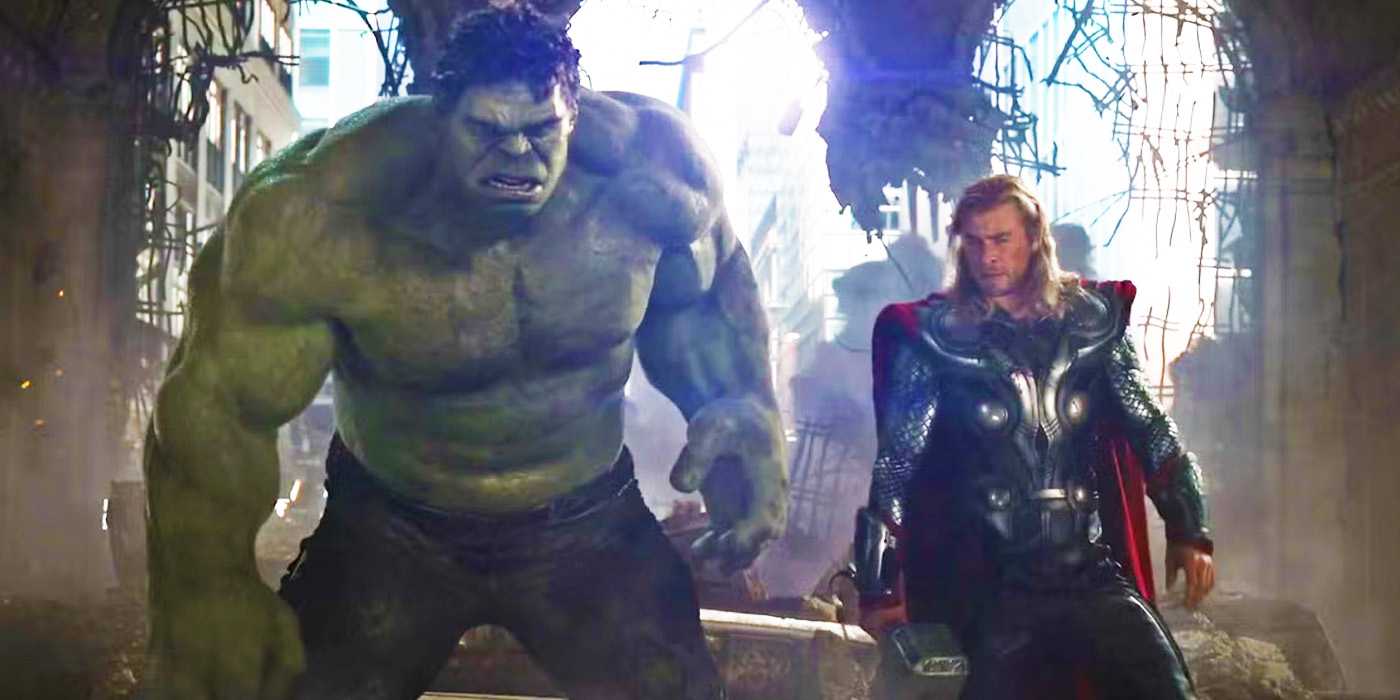
Hulk and Thor’s rivalry is a perfect storm of pride, power, and pure spectacle. First highlighted in The Avengers, these two Avengers clash over superiority, ego, and competitive instincts. The superior superhero sequel, Thor: Ragnarok, elevated it into a full-blown gladiatorial showdown.
Their battles combine raw strength, combat skill, and larger-than-life personalities. This makes each encounter a visual and emotional spectacle. Thor’s confidence in his godhood collides with Hulk’s rage-fueled power, producing moments that are simultaneously humorous, thrilling, and awe-inspiring.
The frequently sidelined Hulk punching Thor out of frame in The Avengers is perhaps the greatest example of their rivalry. While rooted in mutual respect, they are competitive at heart, both wanting to prove themselves as the strongest Avenger. This dynamic proves that even among allies, the MCU thrives on conflicts that mix personality, power, and spectacle.
Thor vs Loki
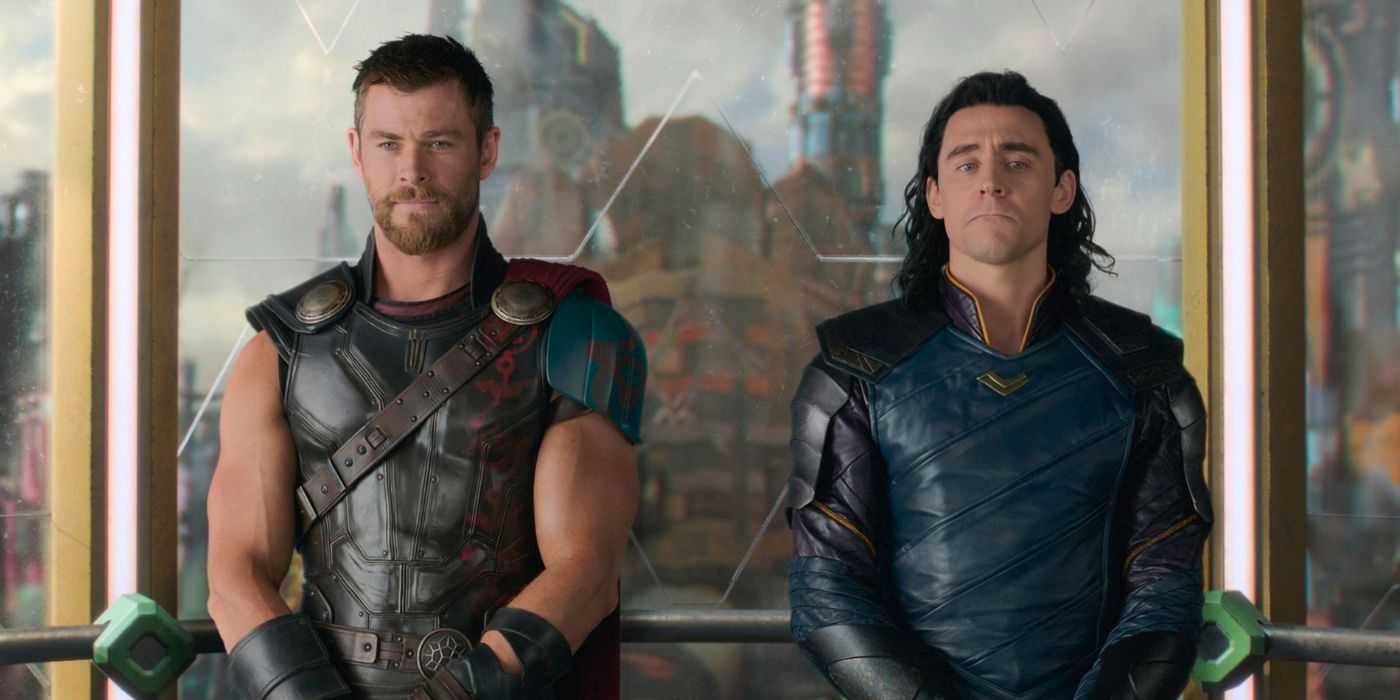
Thor and Loki’s feud is one of the MCU’s most iconic and enduring pairings, blending sibling dynamics, betrayal, and cosmic stakes. Loki’s trickery and thirst for power consistently challenge Thor’s sense of duty and belief that his brother could be virtuous. Every time they encounter each other, it’s an instant battle of wits, strength, and loyalty.
Their relationship is marked by love, jealousy, and resentment, giving every confrontation a deeply personal dimension. Loki’s cunning plans often force Thor to grow, adapt, and question his own beliefs. Meanwhile, Thor’s unwavering heroism highlights Loki’s insecurities and ambitions.
Thor and Loki’s rivalry evolves across multiple films, from Thor to Avengers: Infinity War. It consistently offers humor, heartbreak, and a dash of mystery among the high-stakes action. The blend of familial bonds, ideological clashes, and mythic spectacle cements Thor vs Loki as a cornerstone of the MCU’s narrative landscape.
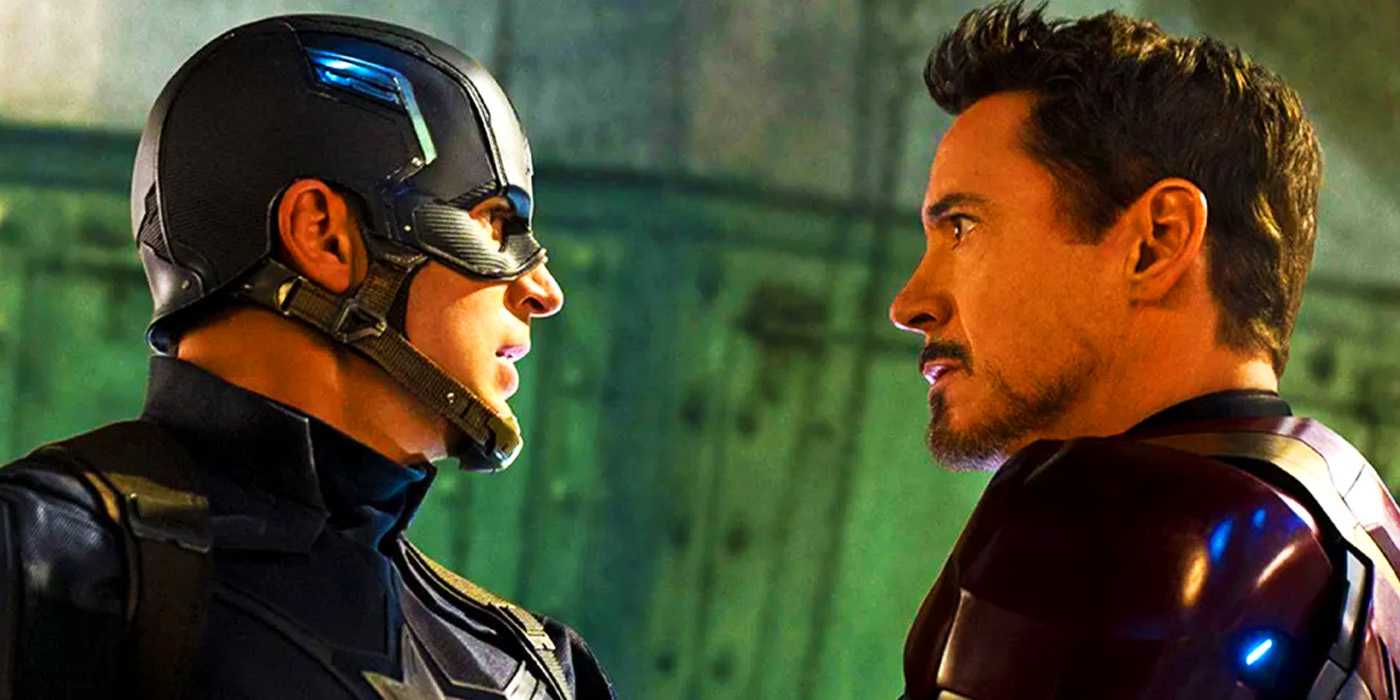
Iron Man vs Captain America
Iron Man and Captain America’s rivalry, culminating in Captain America: Civil War, is the MCU’s most impactful and morally complex. Tony Stark’s focus on accountability clashes with Steve Rogers’ emphasis on personal freedom. This creates a deep ideological divide that fractures the Avengers.
Steve and Tony’s friendship turns into a bitter confrontation, fueled by guilt, mistrust, and differing interpretations of responsibility. The physical battles are intense, but the emotional stakes are even higher. Family-like bonds are tested, and the consequences ripple throughout the MCU.
This rivalry explores heroism, loyalty, and ethical ambiguity in a way few others do. It explores how even the strongest alliances can be strained by opposing principles. The Iron Man vs Captain America conflict remains a defining, emotionally resonant rivalry that reshaped the MCU’s landscape and character trajectories.