






The Legacy and Flaws of the 1978 Superman Film
In 1978, Warner Bros. released Superman, a film that would go on to change the course of every superhero movie to follow, from The Dark Knight Trilogy to the Marvel Cinematic Universe. Richard Donner’s Superman was one of the first to take a comic book character seriously for a big-screen adaptation. The film notably featured a star-studded cast, including Marlon Brando and Gene Hackman, and a script by The Godfather’s Mario Puzo. Not to mention John Williams composed the theme for Superman, which remains the standard for superheroes so many years later.
Superman also introduced audiences to Christopher Reeve, who instantly charmed them as the Man of Steel and would go on to become the blueprint for other actors who have since assumed the role. There’s no question that Superman was a groundbreaking film for numerous reasons, and the great comic book movies released in recent years wouldn’t have been possible without it. However, there are some glaring issues with the classic film that are hard to ignore when revisiting it.
Superman: The Movie Is a Slowburn
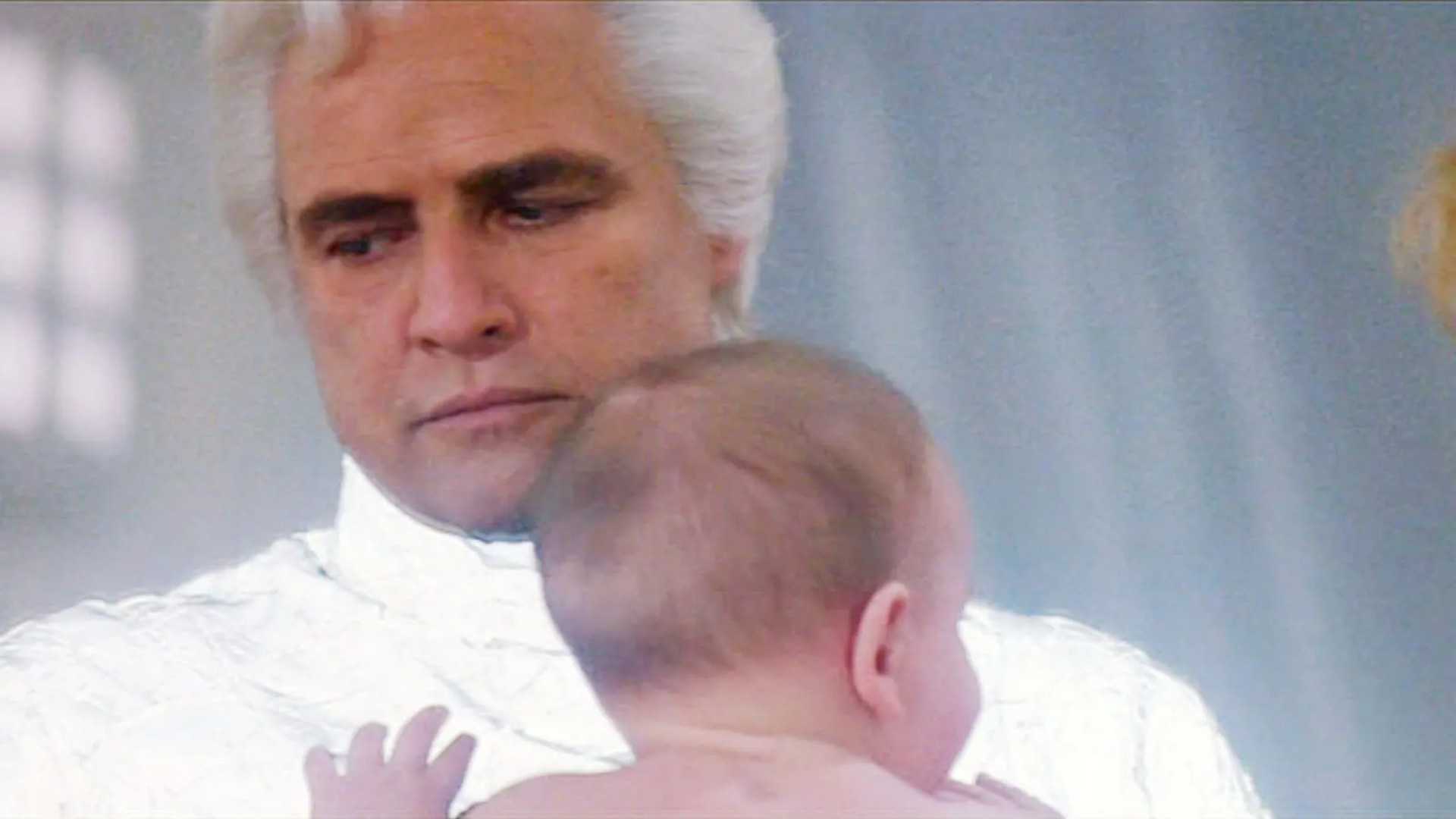
Like most movies released at the time, Superman began with a credits sequence set to the iconic Williams theme, then transported audiences to Krypton just before its explosion. As visually impressive as the planet Krypton was for the time, the film’s prologue suffered from poor pacing. While Marlon Brando’s Jor-El was a noteworthy presence, it dragged with heavy dialogue and spent too much time setting up the film’s sequel with General Zod and his crew.
Superman‘s slow burn continued as the film transitioned from Clark Kent’s upbringing in Kansas to his eventual move to Metropolis. Superman felt like it was three distinct movies, and it took about an hour before there were any action beats. To the film’s credit, it took its time telling Superman’s origin story, but moments like Clark’s trip to the Fortress of Solitude could’ve been streamlined to improve the pacing.
The Special Effects Are a Mixed Bag
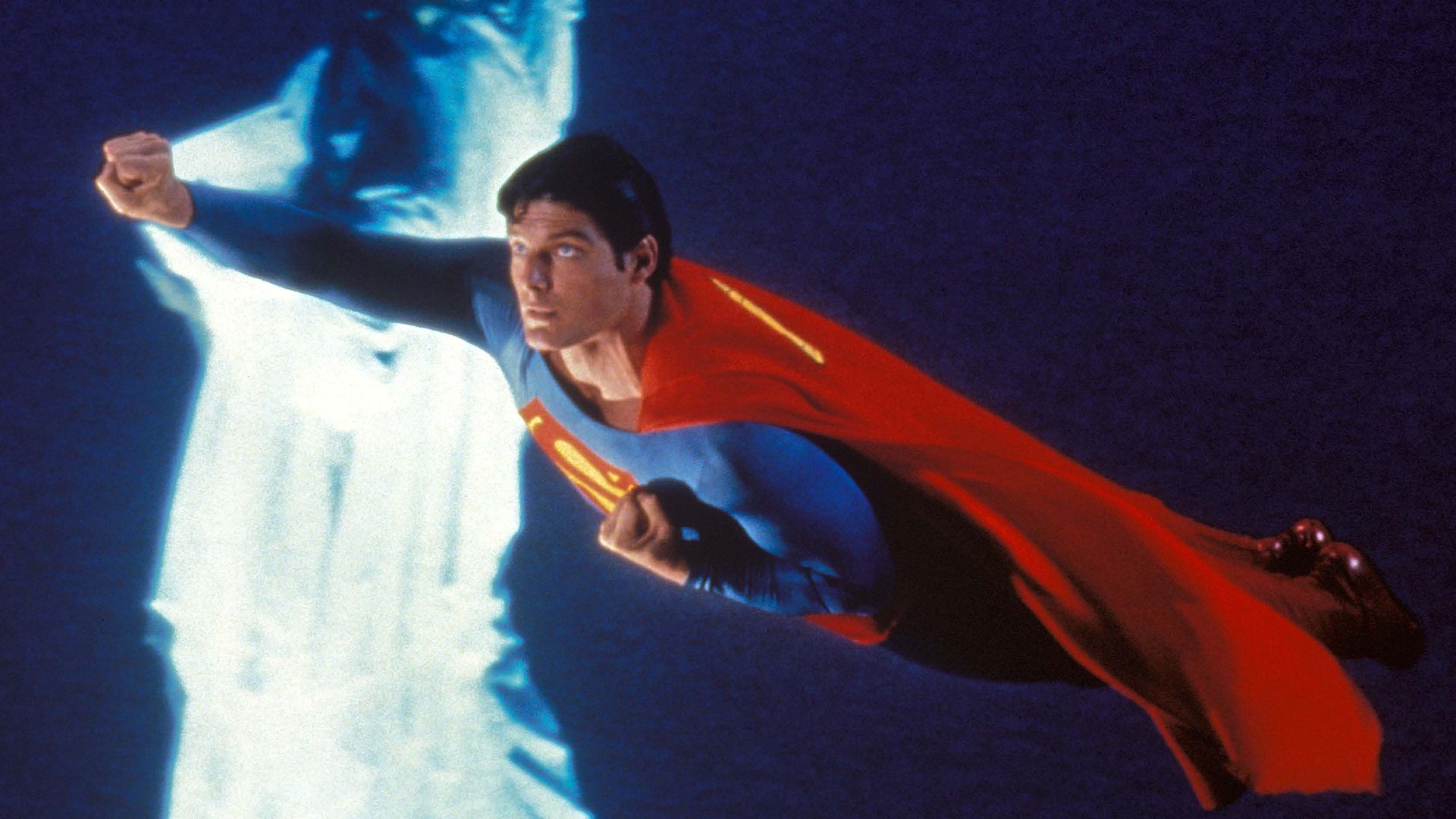
Superman notably arrived in theaters a year after Star Wars transformed what was possible for blockbusters, and there’s no denying the 1978 film featured some impressive technical feats for its time. Nonetheless, it’s still hard to ignore the film’s obvious limitations, particularly in Superman’s flying sequences.
While some moments with Superman flying are pure film magic, such as when he flew in the Fortress of Solitude for the first time, others exposed how it was done behind the scenes. Now, this is a testament to just how far movies have come since 1978, but unfortunately, it made the dated visuals stand out, especially with the sets and miniatures clearly used for the film.
Some of the Film’s Humor Hasn’t Aged Well
A common aspect of older movies that never ages well is the humor, and Superman was no exception. The film is very sincere to the source material. However, it still has no shortage of campy humor, primarily in moments involving Lex Luthor and Otis. There are also plenty of slapstick moments with cops and the other villains in the film that feel very much of the time.
The Film’s Treatment of Women Is Dated
It took a long time for women to get their due and begin leading comic book movies, with characters like Wonder Woman and Captain Marvel paving the way. In 1978, the treatment of women in film was far different, and that’s evident in Superman with characters like Lois Lane and Miss Teschmacher.
Margot Kidder’s Lois Lane is undoubtedly strong, but also underdeveloped at times, and ultimately becomes a damsel in distress by the film’s end. Moreover, the film used Miss Teschmacher for humorous exchanges with Lex Luthor and was heavily sexualized. Films like Superman are prime examples of how far film has come in its portrayal of women.
Lex Luthor’s Plans Are Laughable
In addition to introducing moviegoers to Superman, the 1978 film also featured his arch-nemesis Lex Luthor, played by the great Gene Hackman. As respectable an actor as Hackman was, his performance was also incredibly over-the-top and much closer to how the character was in the comic books at the time. Not to mention, Hackman refused to shave his head for the role, so he only appeared bald in the final moments of the film.
However, another flaw in Lex’s portrayal in his film lay in his plans. In Superman, Lex was simply trying to obtain more real estate by destroying California’s coastline. Compared to today and other Lex stories, the scheme felt like a missed opportunity for something far more interesting.
Christopher Reeve Isn’t in the Movie That Much
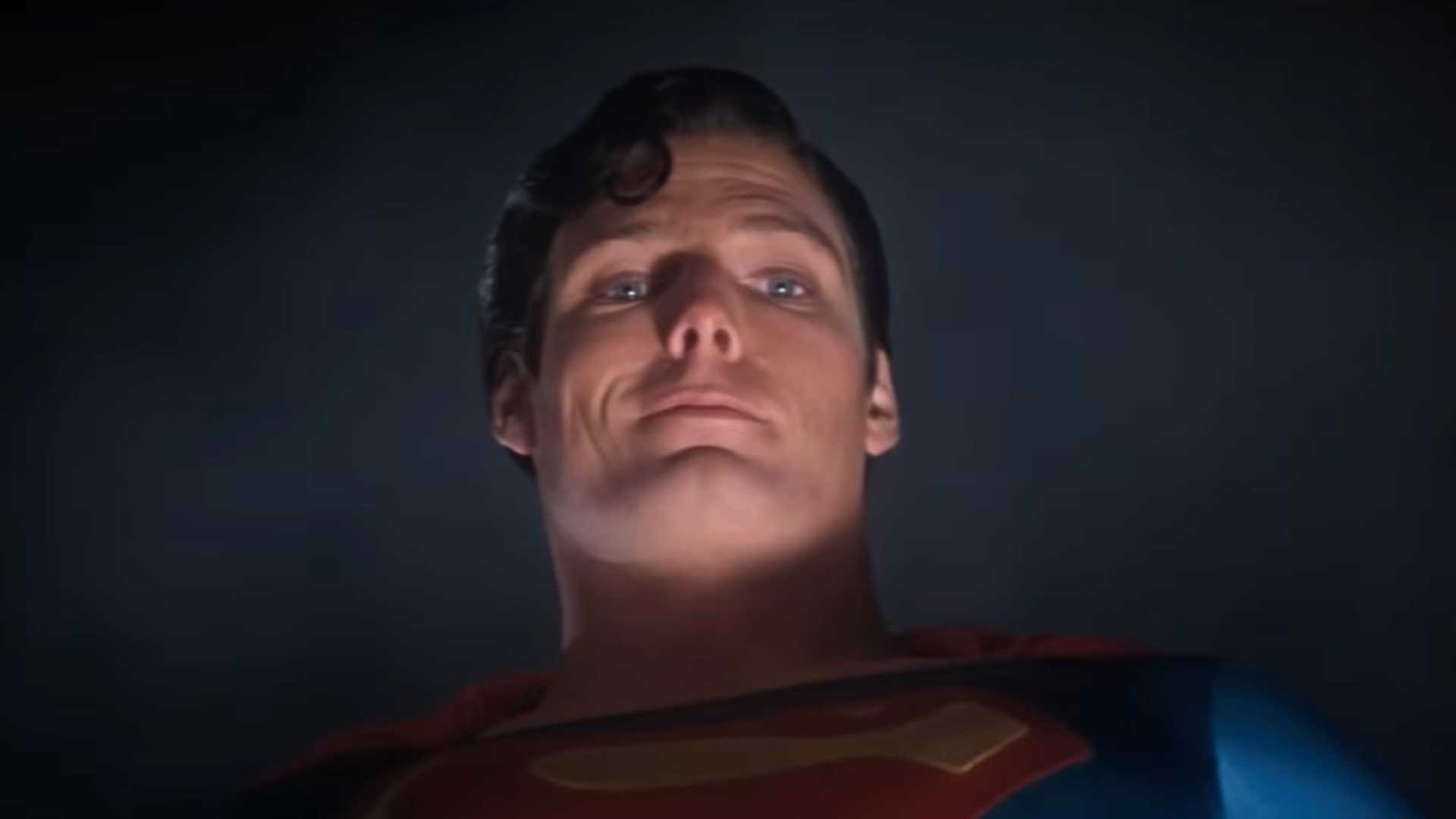
1978’s Superman set the framework for how filmmakers can adapt a character’s origin story for the big screen. Instead of introducing the costumed hero right from the start, Superman built up to the mythic figure by first getting audiences invested in Clark Kent. It’s a powerful tactic that’s worked for Batman Begins and Spider-Man, but there’s one significant difference between those films and the Richard Donner film.
In a film called Superman, Christopher Reeve doesn’t appear until 45 minutes in. By today’s standards, that would never happen, and Reeve would appear for only about 80 minutes in the movie. Despite Reeve not appearing in the film as much as you might think, he still made an incredible impression on audiences in what would become an iconic performance.
Clark Kent’s Disguise Is Still Ridiculous
As much as Superman deserves credit for honoring the source material by embracing his iconic costumed look and the origin, it also translated one of the most ridiculous aspects of the lore to its detriment. Like the comics, Clark Kent wears glasses to protect his secret identity as Superman.
As much as Christopher Reeve does a masterful job of selling the dual personas through his posture and speech, it’s still hard to accept. Other Superman films have followed the same trope; the recent James Gunn film finally addressed the common criticism of the lore by explaining his use of hypno-glasses, which is a far more reasonable explanation than the 1978 film, which conveniently ignored it.
Metropolis Was Just New York City
Metropolis will always be the home of Superman, and in the comics, it’s more than a traditional city. Metropolis represents a city of the future, with advanced technology and a setting far brighter than Gotham City’s darkness. Cities like Metropolis and Gotham City in the DC Universe are characters in their own right, representing the superheroes who call them home. Furthermore, the DC Universe traditionally exists in an alternate reality.
In Superman, Metropolis featured the iconic Daily Planet building with the globe on top, but that’s as far as it went in differentiating itself from any other city. Instead, Metropolis was essentially a stand-in for New York City, with landmarks like the World Trade Center present in the background of some shots. Of course, Superman‘s setting was very much a result of the time it came out, but other films like The Dark Knight would follow a similar path. However, movies like Batman in 1989 and Gunn’s Superman would go on to do far more to bring the fictional comic book cities to life.
Superman Is Overpowered
Superman is one of the most powerful superheroes in all comics, and part of that boils down to the fact that he was the first. Nonetheless, as strong as Superman is, it has also become a detriment at times, making him appear unstoppable and lessening the stakes.
Superman did reveal his Achilles’ heel: Kryptonite, which temporarily depowered him. However, the film also features random Superman powers beyond his super strength and flying, namely, his ability to turn back time to save Lois Lane. In later Christopher Reeve films, Superman would showcase other bizarre powers, like throwing his S shield at enemies, and these powers would often come when it was convenient for the plot as a deus ex machina.
Superman Completely Ignored Jor-El
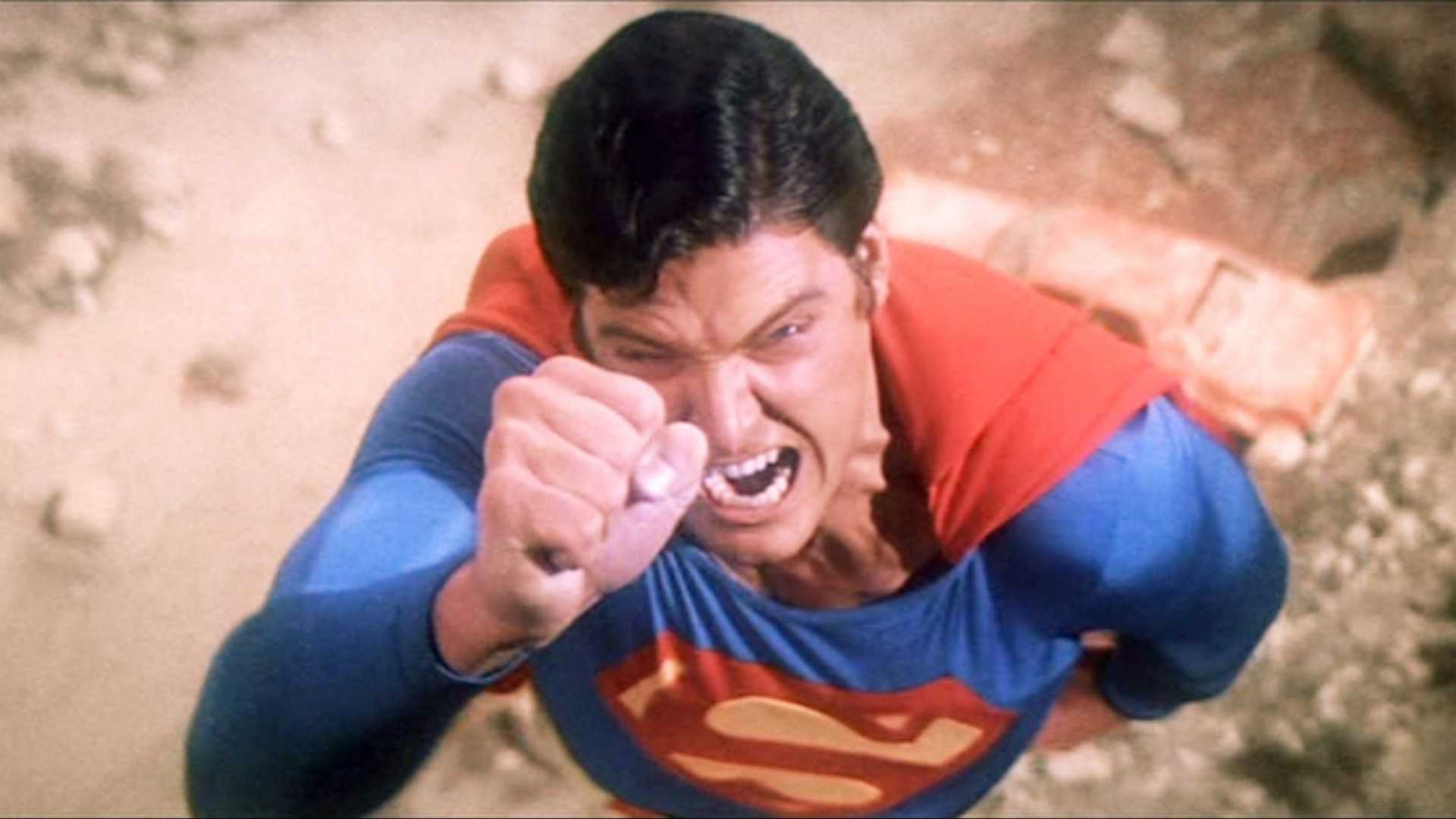
Before Clark Kent became Superman in the film, he underwent a series of lessons from Jor-El in the Fortress of Solitude. In one of the lessons, Jor-El forbade Kal-El from messing with time. However, when Lois Lane died in an earthquake, Superman, consumed by grief, used his powers to travel back in time to save her.
Each Superman film approaches his relationship with his Kryptonian heritage and Earth upbringing in different ways. Gunn’s Superman most recently made his Kryptonian parents more antagonistic than in the 1978 film. But Donner’s film goes in a somewhat similar direction, with Superman embracing more of his humanity to forge his own identity. However, it still felt like a strange note to end on, given that he acted impulsively.