






The Evolution of Superhero Cinema: Endings That Shaped the Genre
Superhero cinema has undergone a dramatic transformation over the decades, with each era marked by pivotal films that defined the genre. These movies not only reflected the cultural and creative shifts of their time but also served as turning points that influenced the direction of superhero storytelling. From triumphant farewells to abrupt endings due to studio missteps or changing trends, these films have left lasting impacts on both audiences and the industry.
Superman IV: The Quest for Peace Ended The Reeve Era And Superhero Blockbusters For Over A Decade
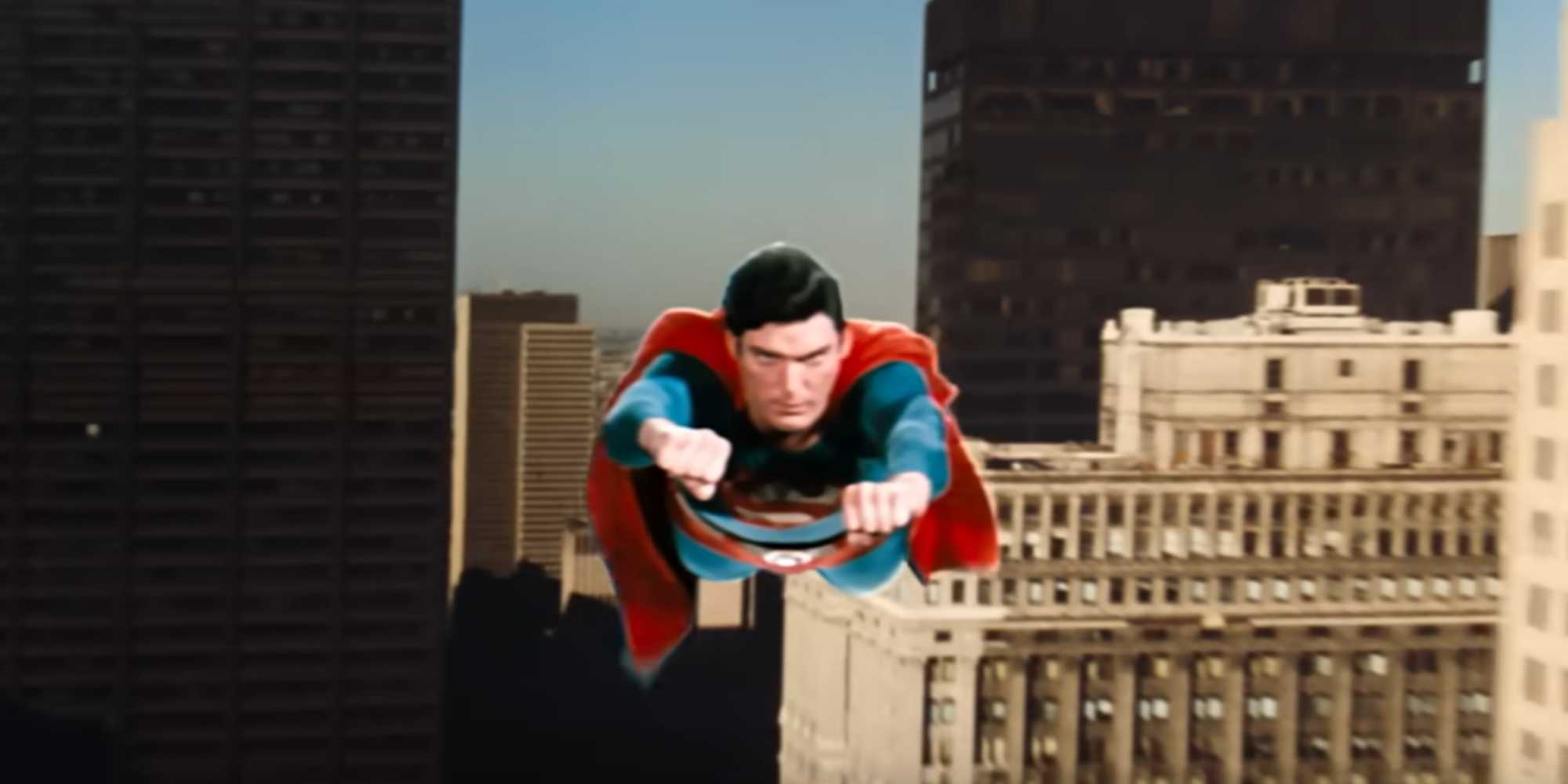
Superman IV: The Quest for Peace was the final film featuring Christopher Reeve as the Man of Steel. This movie marked the end of an era where Superman had redefined what superhero films could achieve. However, budget cuts and studio interference led to a lackluster production that failed to live up to the legacy of earlier entries in the franchise.
The film’s poor reception signaled a downturn for superhero movies, leading Hollywood to step back from big comic book productions for many years. It wasn’t until 1989’s Batman that the genre saw a revival. Superman IV thus symbolized the end of an early era, concluding Reeve’s beloved portrayal and leaving the genre dormant for more than a decade.
Batman & Robin Killed The Batman Franchise
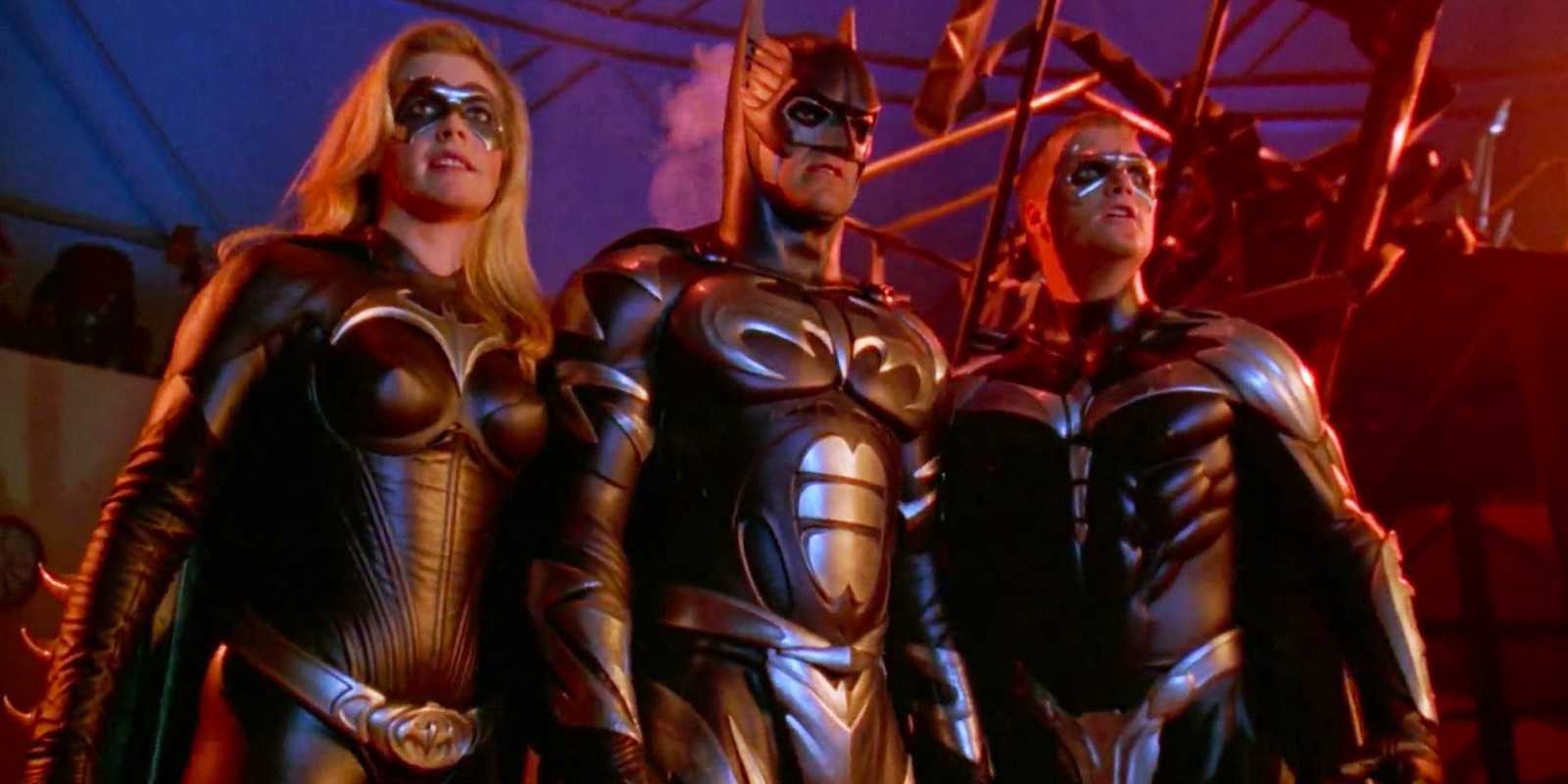
Batman & Robin arrived in 1997 and brought an abrupt end to the Batman franchise that began with Tim Burton’s darker vision. The film embraced campy humor, toy-like designs, and over-the-top performances, which clashed with what audiences had come to expect from the Caped Crusader.
Critics and audiences rejected the movie’s tone and storytelling, leading Warner Bros. to cancel planned sequels and spin-offs. The backlash forced the studio to reconsider how superhero films should balance spectacle and character. It prompted them to recognize that audiences still wanted emotional investment rather than pure silliness.
While Batman & Robin is often mocked, its failure directly paved the way for the franchise’s rebirth with Christopher Nolan’s Batman Begins. Therefore, it marks the moment when the studio realized a tonal shift was needed, ending the previous era in dramatic fashion.
The Incredible Hulk Was the Last Hulk Movie
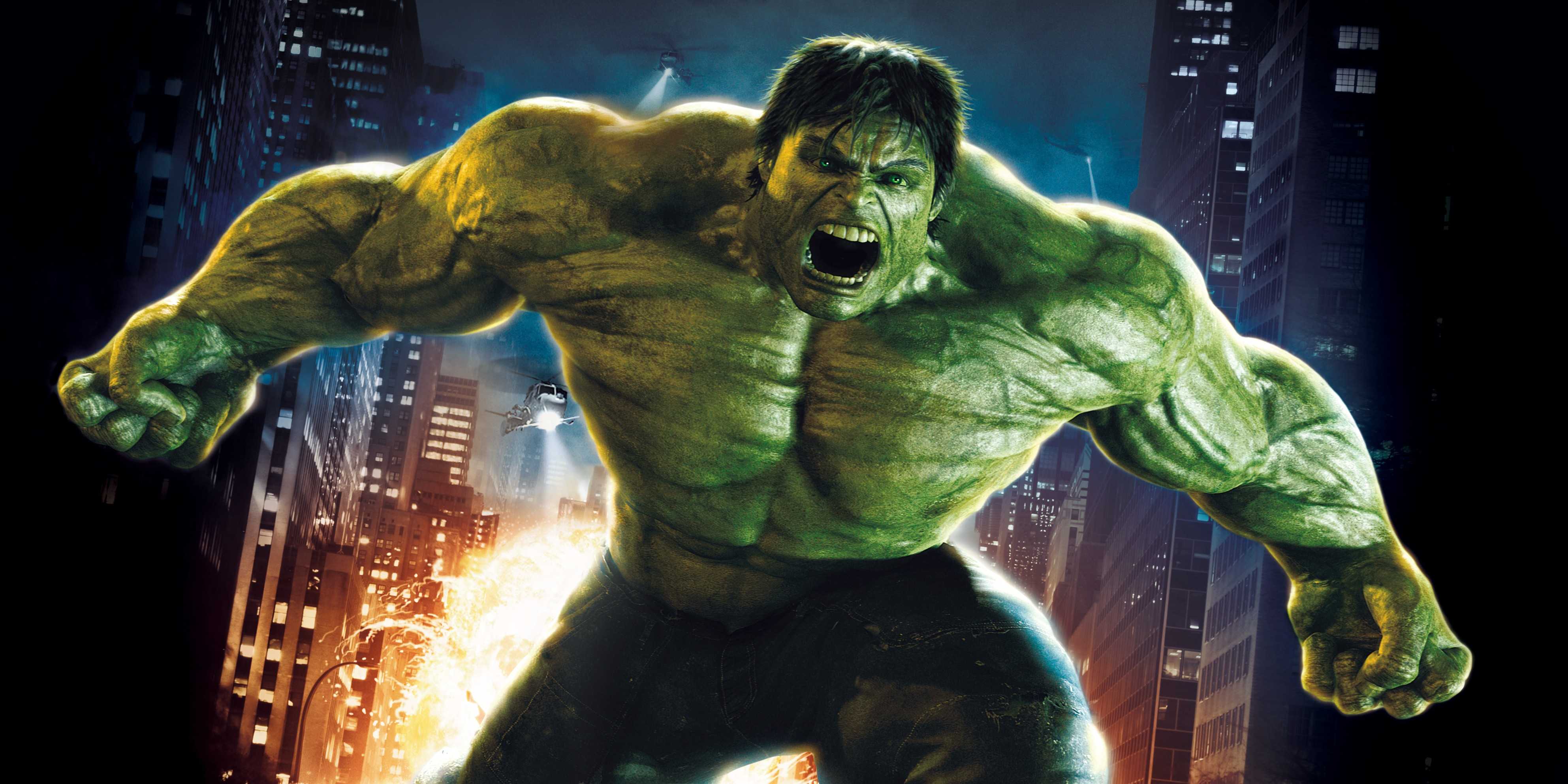
The Incredible Hulk was released in 2008 as the MCU was just beginning. Though nobody could have predicted it, it ultimately became the final solo Hulk movie due to complicated rights issues with Universal Pictures. As a result, Hulk’s MCU story continued primarily through team-up films.
For decades, Hulk was front-and-center in Marvel’s movies and television series. Lou Ferrigno’s Hulk was a cultural touchstone for all audiences, not just superheroes. He’s the only Marvel hero to boast seven live-action movies before the MCU began. Yet once it did, Hulk was quietly sidelined.
Edward Norton’s portrayal positioned Hulk as a darker, horror-tinged figure, exploring the destructive consequences of Bruce Banner’s transformation. With Mark Ruffalo taking over the role, Hulk transformed into a more comedic, collaborative character. The Incredible Hulk was the last time the Jade Giant had the spotlight he previously enjoyed.
Watchmen Marked The End Of The 2000s Deconstructed Superhero Trend
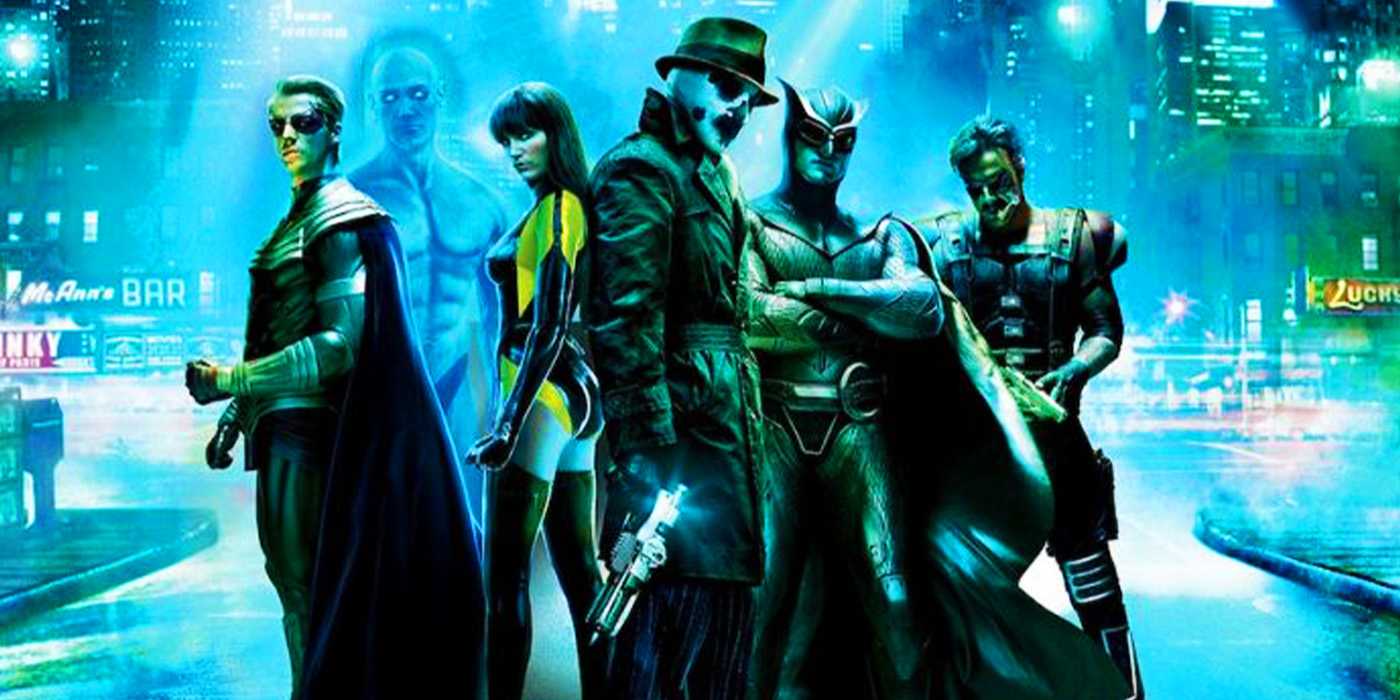
Watchmen arrived in 2009 as a bold, uncompromising adaptation of Alan Moore and Dave Gibbons’ groundbreaking comic. It offered a darker and more cynical perspective on superhero mythology. It represented the peak of the 2000s trend toward deconstructing comic book tropes and exploring heroes with flawed, controversial morals—examples include Unbreakable, Push, and Hancock.
Zack Snyder’s visionary aesthetics and graphic storytelling highlighted the era’s shift toward complex, mature narratives. While the film divided critics, it became a cult favorite franchise. Watchmen proved superhero adaptations could tackle weighty themes and push boundaries far beyond traditional blockbuster formulas.
However, the arrival of the MCU’s lighter interconnected storytelling soon changed the direction of the superhero genre. Watchmen therefore marked the end of the gritty deconstruction wave that dominated the 2000s. It closed a chapter of experimental superhero cinema before a new age of shared universes began flourishing.
X-Men: Days Of Future Past Reunited The Original Cast And Was The Last Acclaimed X-Men Movie
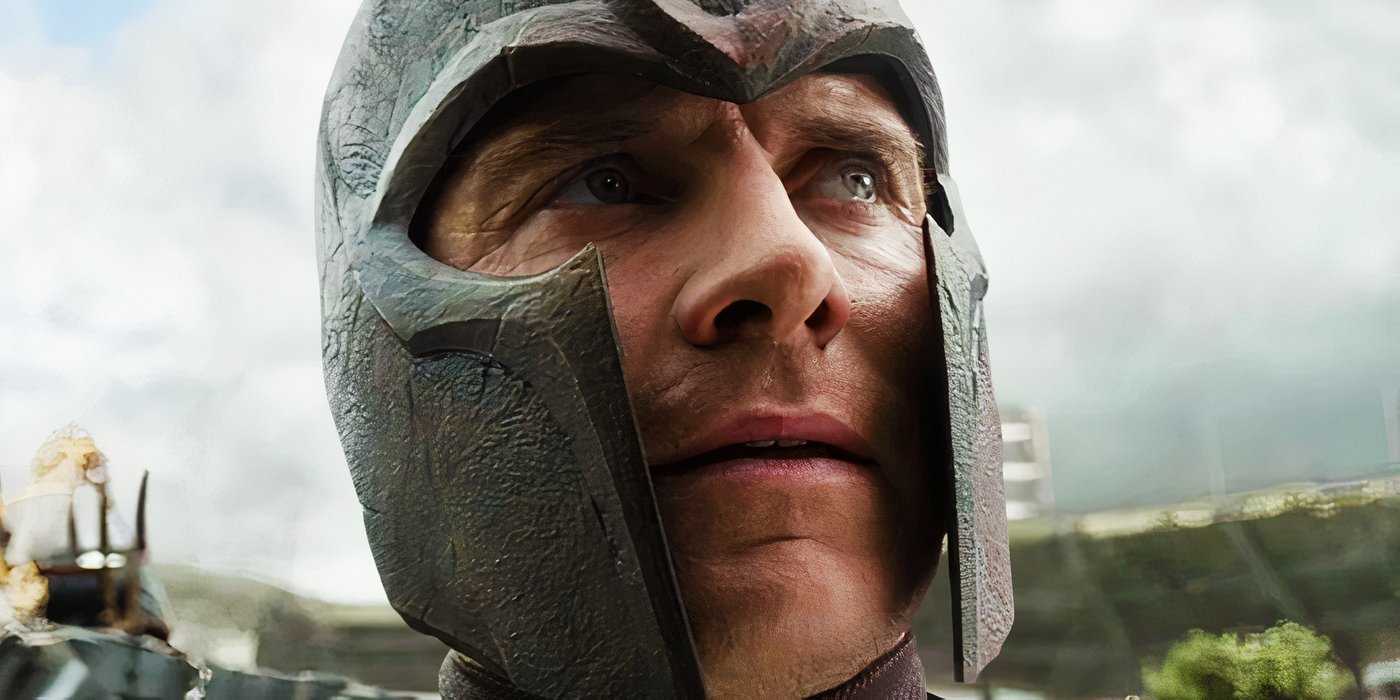
X-Men: Days of Future Past united the original cast with the newer prequel actors in a time-travel story that reset continuity. It celebrated everything great about Fox’s mutant franchise while rewriting controversial elements from earlier films, notably X-Men: The Last Stand. The movie’s critical success and strong ensemble brought renewed excitement to the franchise.
X-Men: Days of Future Past demonstrated that the X-Men still had major box office power. It became a nostalgic celebration of characters audiences had followed for years across multiple timelines. Yet, its success also represented the peak before the franchise’s final decline.
Later X-Men entries failed to recapture the acclaim or emotional resonance. Days of Future Past ultimately stands as the last widely praised X-Men film. While some of the original X-Men cast appear in Avengers: Doomsday, X-Men: Days of Future Past was the last time mutants dominated the genre.
Logan Was Supposed To Be Hugh Jackman’s Last Movie As Wolverine
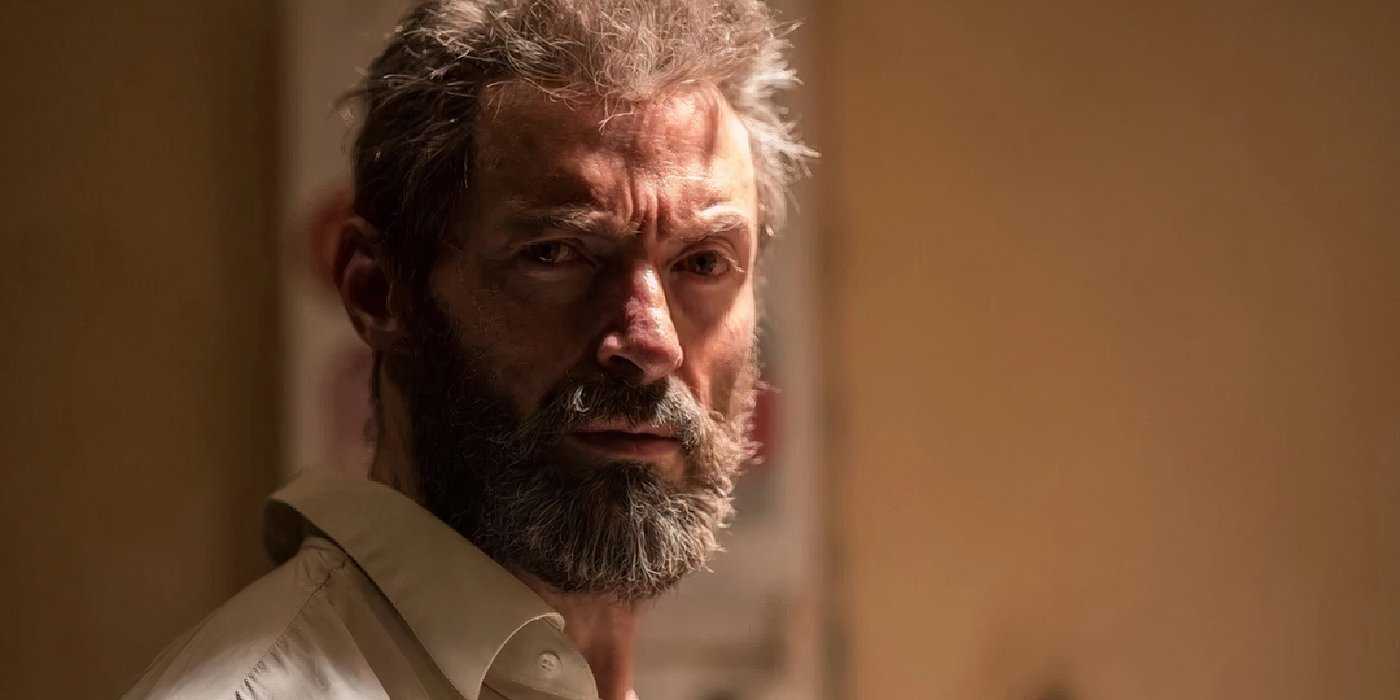
Logan was intended to be the definitive final chapter for Hugh Jackman’s Wolverine. It was supposed to close an unparalleled 17-year run that once helped launch the modern superhero boom. Taking a different direction, Logan offered a grounded, emotional farewell that embraced vulnerability over spectacle.
Logan became one of the most acclaimed comic book movies ever. It captured the sense of a hero at the end of his journey, delivering a heartfelt goodbye that felt conclusive and earned. Of course, Jackman has since returned in the MCU with Deadpool & Wolverine and Avengers: Doomsday.
Nevertheless, at the time, Logan represented the conclusion of the Fox-era Wolverine. Additionally, its gritty realism, violence, and dramatic tone marked a turning point in superhero filmmaking. It marked a move to character development rather than comic book spectacle.
Dark Phoenix Was The Last Fox X-Men Movie
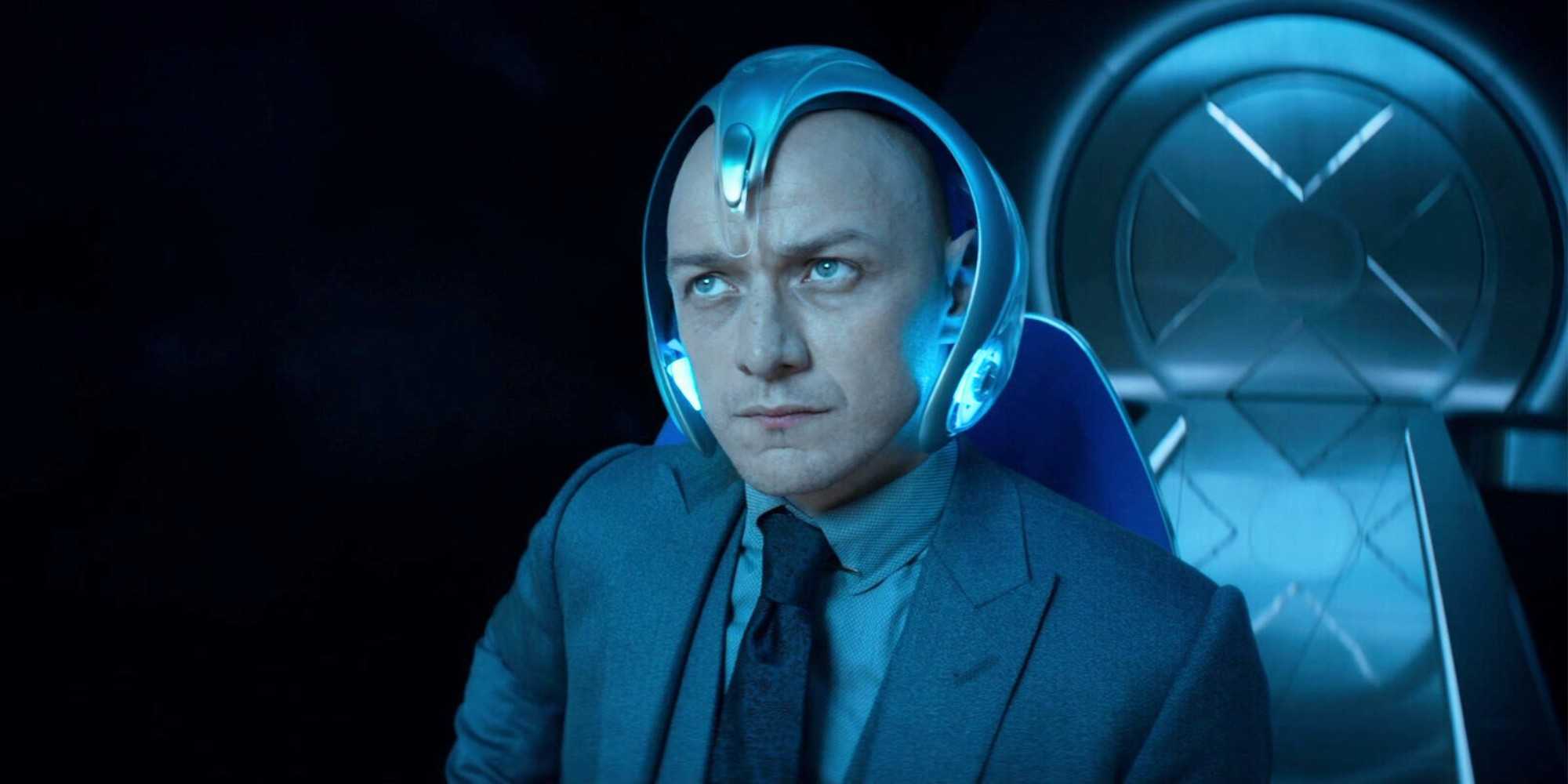
Dark Phoenix was the final entry in Fox’s long-running X-Men timeline. It was intended to spawn a new trilogy of X-Men movies based on the younger heroes introduced in X-Men: Apocalypse. However, Disney’s acquisition of Fox put these plans to bed, and perhaps doomed the movie itself.
Dark Phoenix attempts to deliver a more comic-accurate adaptation of Jean Grey’s iconic transformation into the Phoenix. However, behind-the-scenes reshaping and reshoots led to a muted finale. Dark Phoenix was released right in the middle of Disney’s acquisition and suffered because of it.
Many of the Fox team were lost in the process, and Disney did not have enough time to integrate Dark Phoenix into their marketing plans. Regardless, the movie still symbolized the end of a franchise that had shaped superhero movies for nearly two decades. The X-Men movies helped trigger the whole Marvel movie boom, but quietly fizzled with Dark Phoenix.
Avengers: Endgame Ended The Infinity Saga And RDJ’s Iron Man
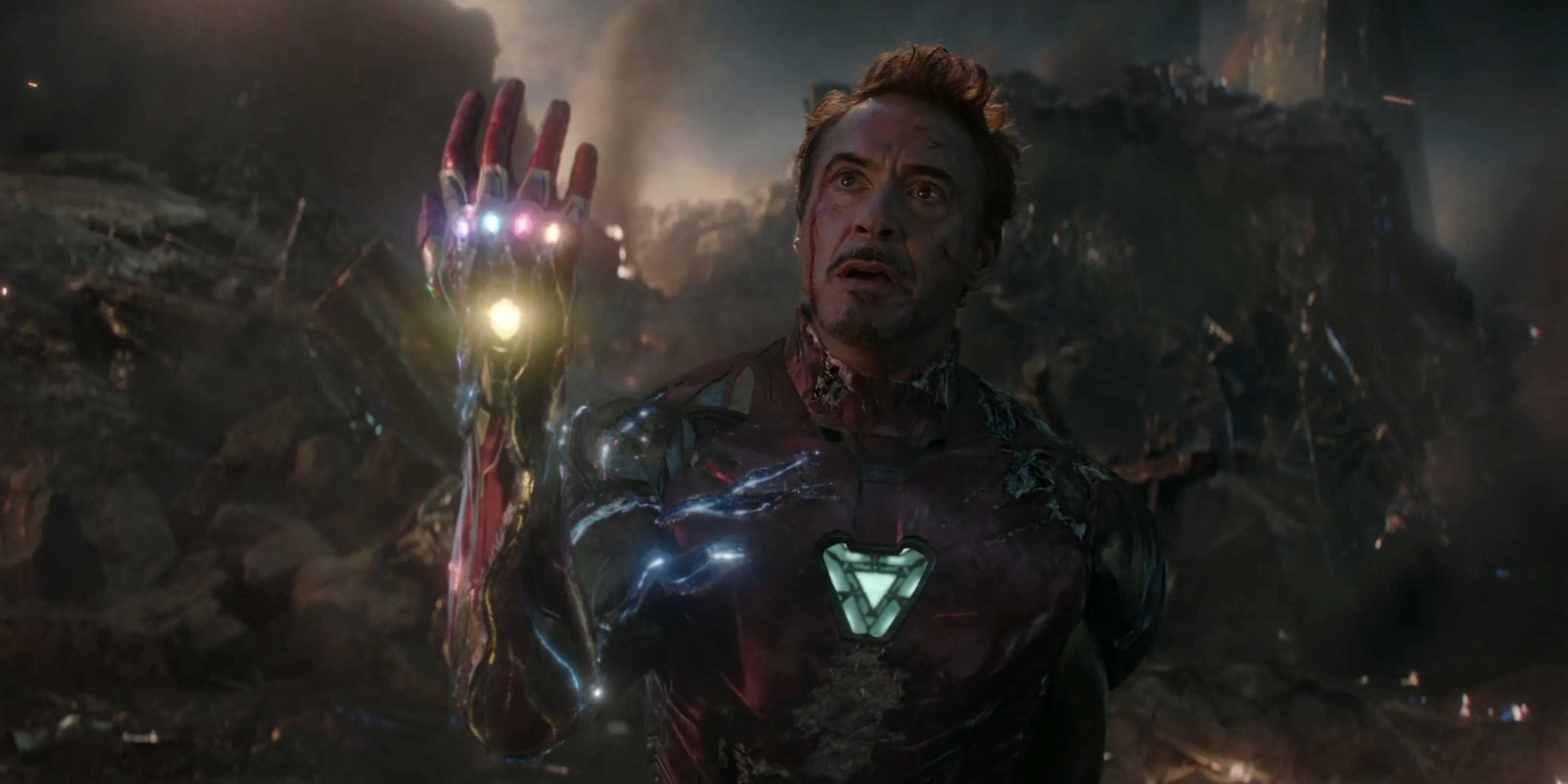
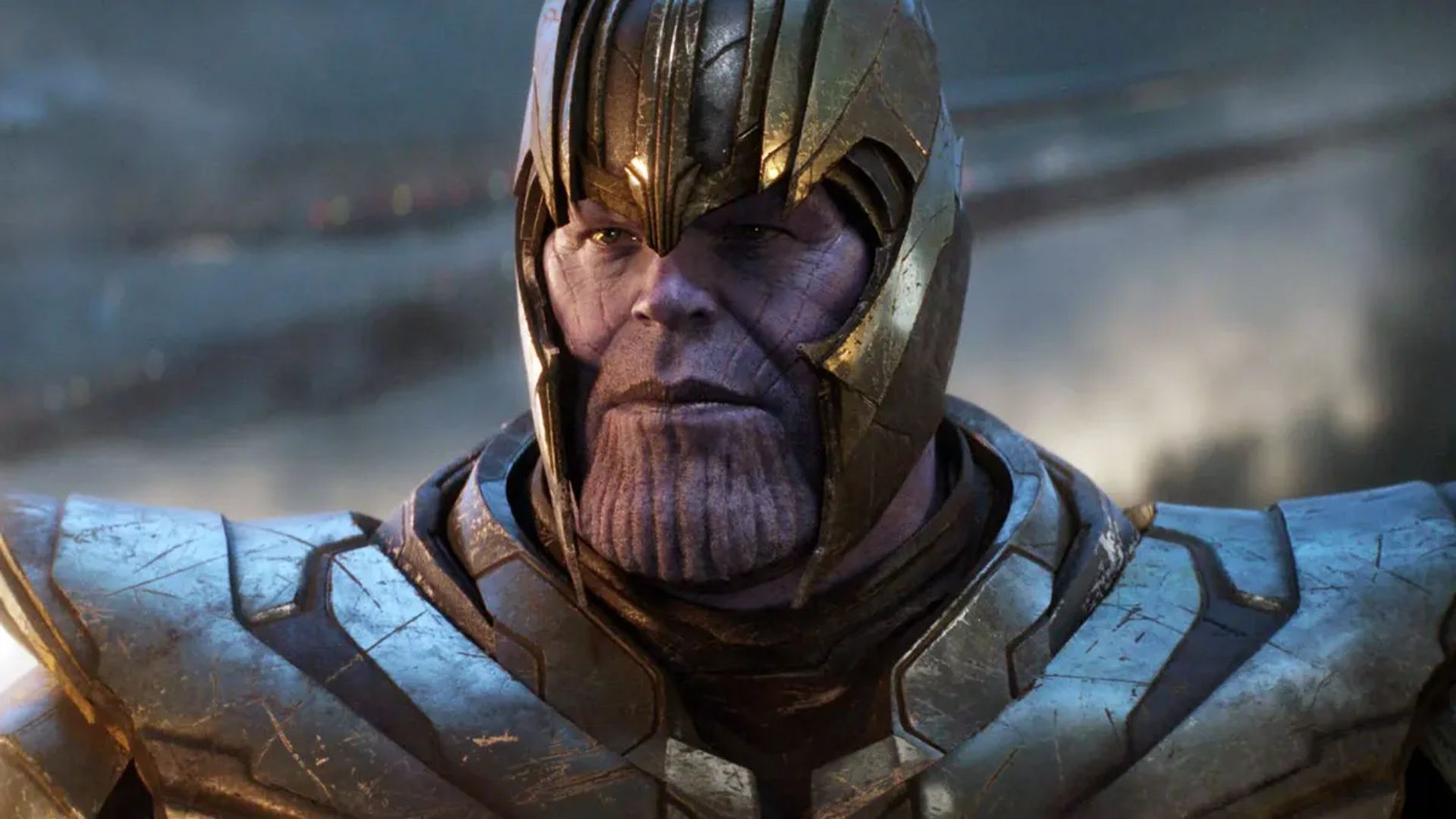
Avengers: Endgame marked the emotional conclusion of the MCU’s Infinity Saga. It brought together heroes from across a decade of interconnected films for an unprecedented MCU team-up. It delivered closure to numerous character arcs while resolving Thanos’ universe-shattering conflict in an epic, time-spanning showdown.
Avengers: Endgame was unlike anything seen before in blockbuster cinema. One of the film’s most significant endings was Tony Stark’s sacrifice, closing Robert Downey Jr.’s iconic portrayal of Iron Man. His journey from self-centered weapons maker to selfless savior defined the franchise, and his final act ensured the future of the universe he helped build.
Endgame also represented a farewell to key Avengers like Steve Rogers and Natasha Romanoff, signaling a generational shift within Marvel. As Phase Four introduced new heroes and cosmic threats, Endgame became the definitive dividing line between eras of the MCU. It also marks a point when many viewers began reconsidering whether every Marvel release was strictly required viewing.
Deadpool & Wolverine Concluded Fox’s Superhero Series
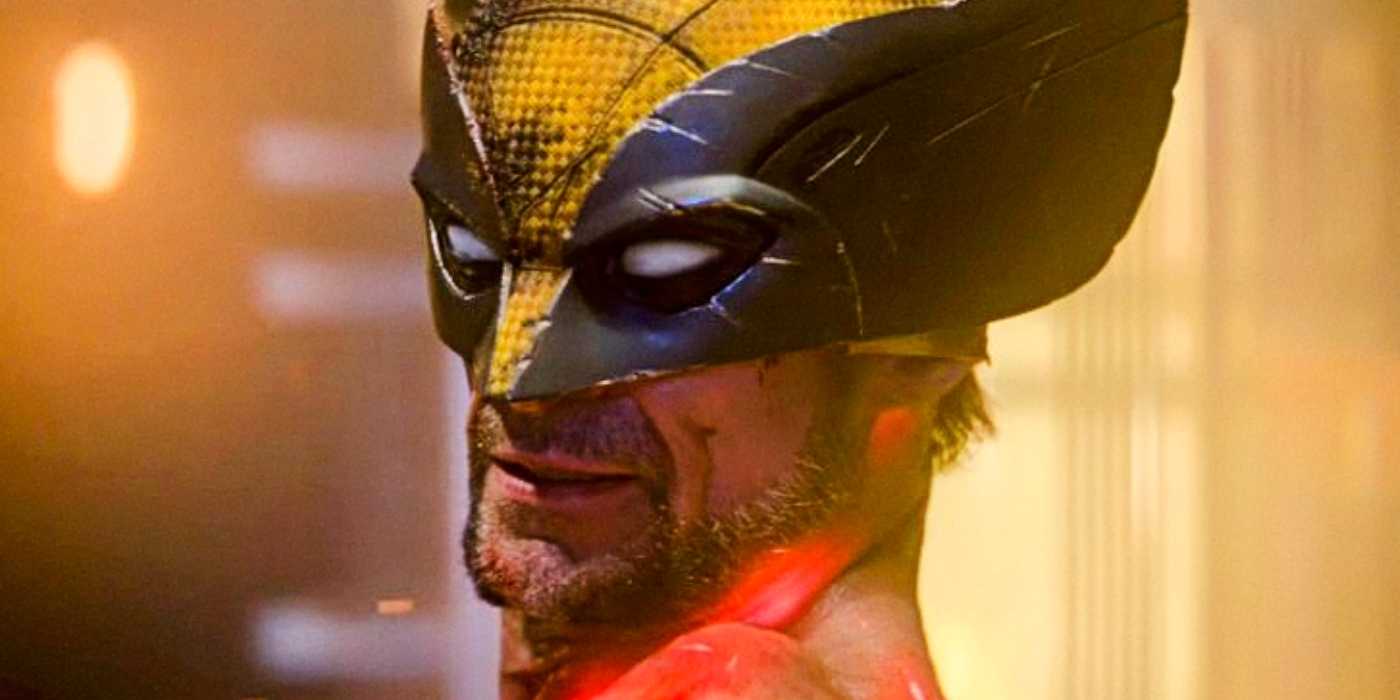
Deadpool & Wolverine served as the final goodbye to Fox’s long-running superhero franchise. As well as X-Men, this included the Fantastic Four movies, Daredevil, and Elektra. It offered the long-awaited team-up of the iconic Marvel rivals, on a mission to save the Fox universe.
Deadpool & Wolverine functioned as both a love letter and a send-off to characters who existed outside Marvel Studios’ main continuity for years. Rather than ignoring Fox’s history, the film embraced it. It boasted self-aware humor, cameos, and emotional reflection on the end of an era.
Deadpool & Wolverine celebrated everything viewers enjoyed about the old continuity. It ends a distinct era of filmmaking where different studios shaped beloved Marvel heroes in their own unique style. Its charming closing credits montage was one of the most unexpected and heartwarming moments in modern superhero cinema.
Aquaman And The Last Kingdom Was The Final DCEU Movie
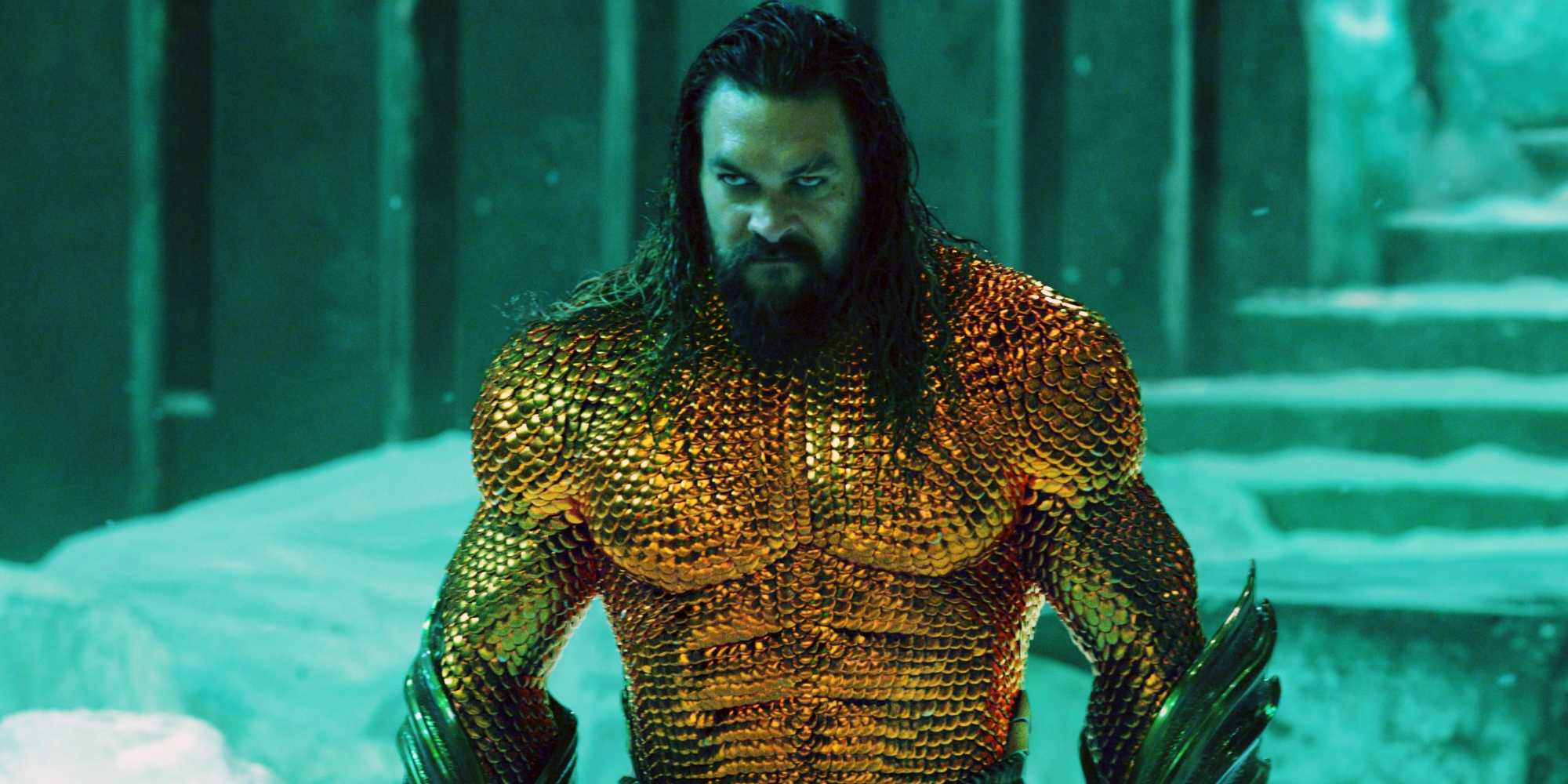
Aquaman and the Lost Kingdom became the final movie in the DCEU. It concluded a universe marked by constant retools, mixed reception, and creative shifts. Despite Aquaman’s earlier success, the sequel arrived during a transitional period as DC prepared to reboot under James Gunn and Peter Safran.
The Lost Kingdom’s release signaled the official end of the Snyder-era continuity. It wrapped up some lingering storylines and offered some undeniably grand visuals and underwater action. However, its uneven execution feels emblematic of the whole DCEU timeline.
The Lost Kingdom was disjointed narratively and thematically, creating an underwhelming movie. Rather than celebrating the DCEU’s history, it perfectly demonstrated why the franchise needed fresh decisive direction. As new heroes and stories now take center stage, Aquaman and the Lost Kingdom marks the moment the DCEU finally gave way to a more unified future.