





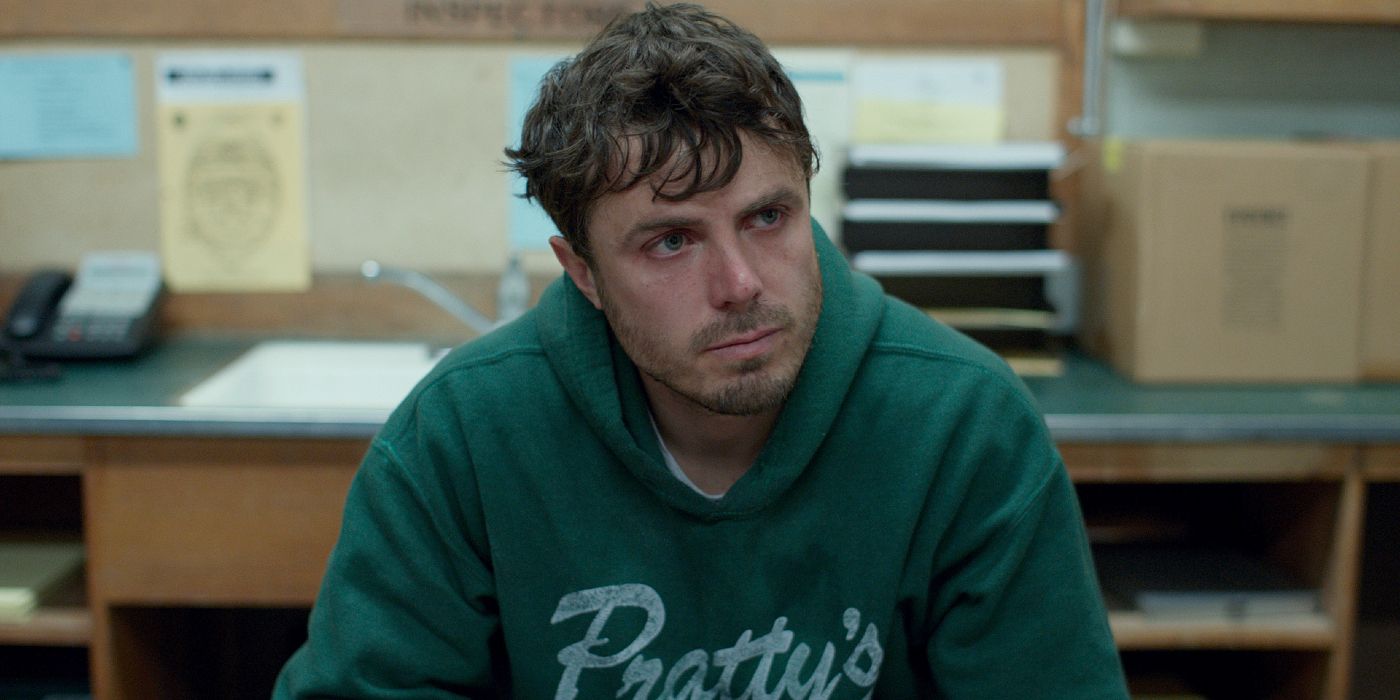

The Power of Heavy Movies
One of the major hallmarks of a powerful movie sometimes lies in how heavy the subject matter is. The film industry has always worked overtime in the art imitating life department, and life can get pretty overwhelming at times. When a movie is able to beautifully capture life’s heaviness in ways that keep a viewer’s mind turning long after the film has ended, it’s done its job.
Some of the heaviest movies of all time are full of just enough high moments to make the extreme lows that much harder to bear. Many of them end with the viewer having to accept that, no matter how much they wish it wasn’t so, sometimes the heavier experiences in both life and film are the ones that linger long after they are gone.
Beaches: Seems Lighthearted at First Glance, But the Weight Is Tremendous

The 1980s was an era of tear-jerking dramas lurking under the guise of comedy, and Beaches falls perfectly into that category. Starring Bette Midler and Barbara Hershey, Beaches is, at its core, a powerful reminder that life is short. Becoming penpals after meeting at the boardwalk as children, C.C. Bloom and Hilary Whitney are an unlikely duo, and that’s what makes their friendship work. C.C. is driven to the point of being obnoxious in her pursuit of fame and stardom, while Hilary is the portrait of quiet innocence, drawn like a moth to her best friend’s brilliant personality.
Following the duo across their lives, Beaches delves deep into the ups and downs of their relationships. In the latter half of the movie, with the two of them now divorced and Hilary pregnant, the two end up falling out when C.C. chooses the call of lights and glamour over settling down to help her best friend raise her daughter. C.C. goes on to become a sensation, and the two don’t talk for years, until Hilary discovers she is dying. Dropping everything to care for her friend during her final days, Beaches is full of the kinds of what-ifs that hang heavy long after the movie’s end.
Jacob’s Ladder: Goes Beyond Psychologically Disturbing Into Deep Places

Movies set during the Vietnam War are always heavy. It was a disturbing experience for the soldiers who survived, with many of them returning to the US as different men than when they left. Jacob’s Ladder takes the Vietnam War experience to an even heavier place. Following infantryman Jacob Singer (Tim Robbins) after a harrowing attack in the Mekong Delta that ends with his fellow soldiers dead or psychologically stunned, Singer flees into the trees only to be stabbed by a bayonet. When he awakens, he’s back in New York City, but everything around him is terrifying and wrong.
He’s seeing visions and hallucinating strange demons, and when he tries to connect with his doctor at the VA hospital, they have no record of him ever being a patient there. Every experience he has grows more and more disturbing, and when he reconnects with his old military unit, each of them claims to be experiencing the same strange visions. As the pieces of the puzzle start to come together, the reveal that Jacob was hallucinating a life for himself while dying in a medical tent in Vietnam is a terrifying blow. It’s the kind of heavy revelation that lingers for years after the credits roll.
Pihu: One of the Heaviest Films Ever Made

The innocence of children is all too often forgotten, but when a movie like Pihu releases, it’s a heavy reminder of just how vulnerable they are. Inspired by real events, Pihu tells a horrifying story through the eyes of a two-year-old girl trapped in her home with her mother’s dead body. A child that age has no concept of death, and as she whines to her mother’s lifeless body because she’s hungry, lonely and scared, it’s enough to tear the heart out.
Pihu also doesn’t understand danger, which is evident when she drops her doll off the balcony and attempts to climb over the railing to retrieve it. Completely unsupervised, she burns herself on an iron, nearly sets the apartment on fire, and even takes some of her mother’s sleeping pills. Fortunately, they only put her to sleep for a little while, but things could have ended much worse. Pihu’s situation may take it to the extreme, but the fact that there are children out there who suffer similar experiences regularly is enough to leave the viewer reeling.
Precious: Examines Child Abuse Through the Eyes of a Troubled Teen
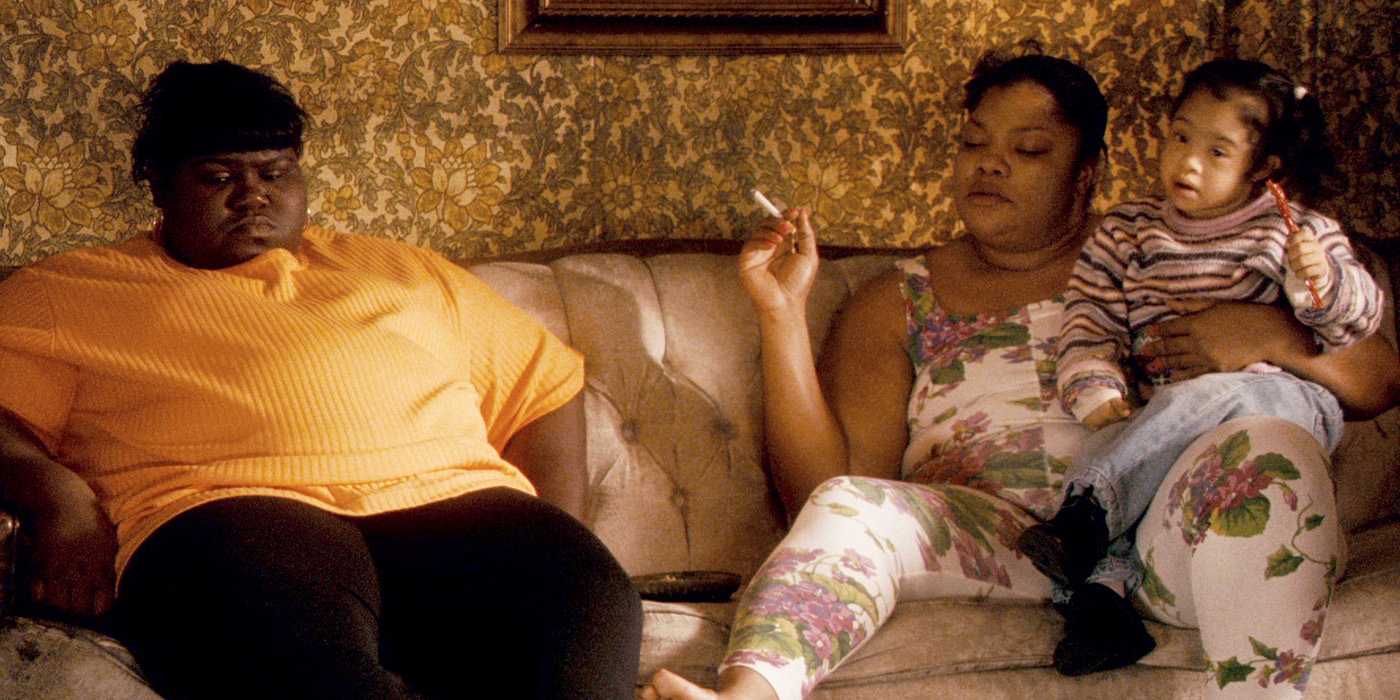
Based on the novel Push by Sapphire, Precious follows 16-year-old Claireece Precious Jones in the Bronx during the late 1980s. Precious has suffered emotional, mental, physical, and sexual abuse for most of her life, with her mother, Mary, turning a blind eye. The family lives in Section 8 housing and survives on welfare. With Precious pregnant again with her second child, her mother’s insistence that she get down to the welfare office and apply for more money is an underlying current from beginning to end.
Like many abused children, Precious escapes reality through daydreams. It’s the only thing keeping her head above water, until her school principal helps her get into an alternative school. The school is a waste of time, according to Mary, but Precious finds her confidence and self-worth as she finally learns to read. The story comes to a head, with Precious revealing the abuse and getting her mother’s welfare benefits cut off, but Mary’s abuse doesn’t stop there. Precious’ story ends with her cutting ties with her mother for good and walking into the city with her two children to make a life for herself, but it’s impossible not to watch the credits roll without a broken heart for all the kids like Precious Jones.
Barry Levinson’s Sleepers: Exposes a Horrifically Flawed System

The 1996 film Sleepers has a star-studded cast, with everyone from Kevin Bacon in his most villainous role and Robert De Niro to Brad Pitt and Dustin Hoffman appearing on-screen for this incredibly dark movie. When a group of boys lands themselves in juvenile detention after a childish prank results in severe injuries, the kids have no idea the hell they’re about to be subjected to. Repeatedly subjected to sexual abuse and torture at the hands of the guards, they even witnessed one of their fellow inmates’ deaths after humiliating the guards during a football game.
After their release, the boys vow to never speak of the awful things that happen to them, and because trauma like that drives a wedge between even the closest of friends, they go their separate ways. Two of them end up working for the Irish mafia, and when they encounter the head guard who assaulted and tormented them, they shoot him dead in front of several witnesses. The heaviest thing about this movie is the impact of both their trauma and their silence. They lived with their shame and anger until it exploded, and when on trial for murder, recounting the details about what they went through is their only hope.
Leaving Las Vegas: Takes a Hard Look At Self-Destruction

Calling Leaving Las Vegas a love story feels almost like a slap in the face because of how tragic it is, but it really is one of the most tragic love stories of the 20th century. Starring Nicolas Cage as an alcoholic screenwriter and Elizabeth Shue as a prostitute he nearly hit with his car, the pair form an unlikely bond around their promised acceptance of each other’s fatal flaws. So long as she promises never to ask him to stop drinking, he will never criticize her for her profession, and at first, it feels like the perfect match.
Making a promise like that is easier said than done, because shortly after realizing her feelings for him, she starts pleading with him to get help. Standing by and watching someone self-destruct is hard enough; add a heartfelt emotional connection to the mix, and it’s a tragedy simply waiting to tear out hearts. The heaviest thing about Leaving Las Vegas is accepting that love isn’t enough to save someone bent on dying.
Manchester by the Sea: Is a Heavy Reminder That Some Grief Can’t Be Overcome
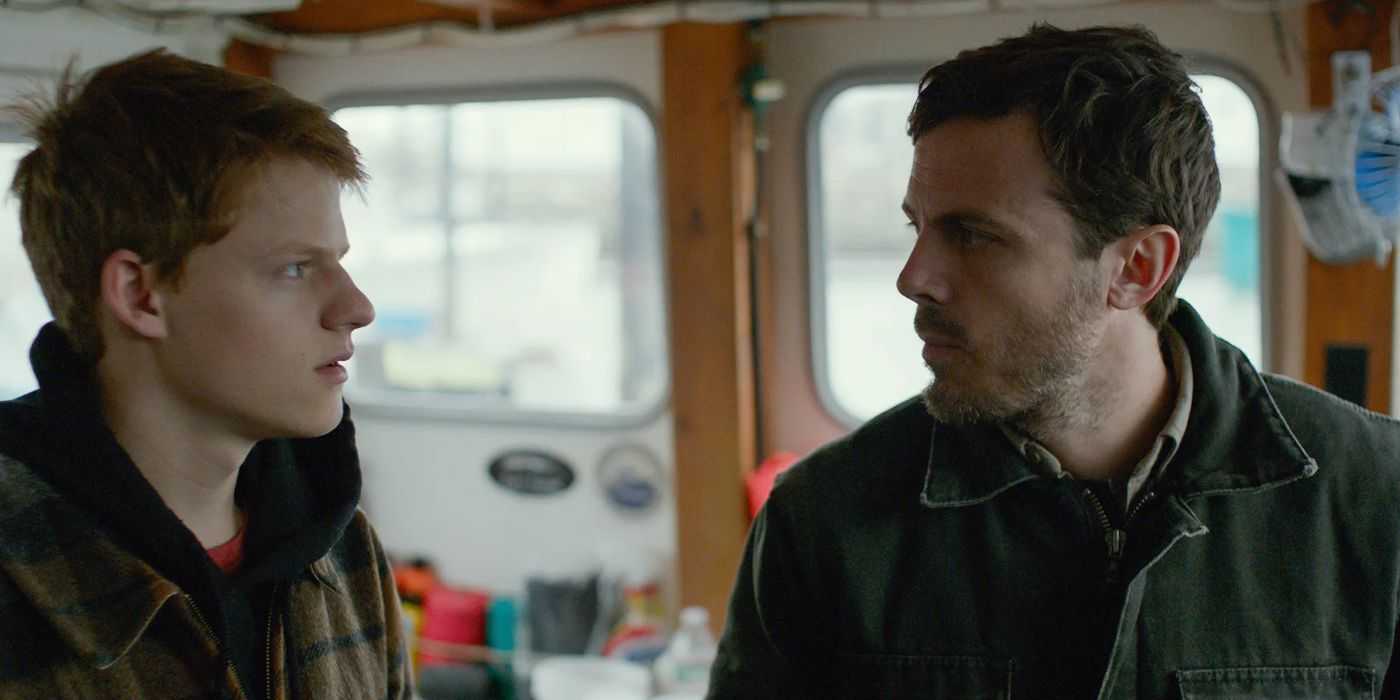
Grief is different for everyone, and Manchester by the Sea does an outstanding job of demonstrating how some people never actually recover. When depressed janitor Lee is drawn back to his old home, Manchester by the Sea, after his brother’s unexpected death, the reasons he left originally still weigh heavily on his soul. An accidental fire caused by his own mistake cost Lee the lives of his children and ended his marriage. Named his teenage nephew’s guardian in his brother’s will, Lee struggles with the idea of staying in a place that still holds so much heartache for him, even though it’s what Patrick needs.
The choices made in Manchester by the Sea settle heavy on the shoulders of viewers. Despite Patrick’s need to stay in the place where he grew up, Lee can’t let go of his own grief. In a world that often tries to hurry the grieving through the emotional process, Lee’s choices in the end are difficult for viewers to accept because he chooses to leave Patrick with his father’s best friend instead of making the sacrifice to stay in a place that’s too hard for him to deal with emotionally.
Grave of the Fireflies: Is the Heaviest Anime Movie of All Time

Studio Ghibli is well known for its beautiful, gripping movies with resonating depth, and Grave of the Fireflies definitely delivers. Set in 1945 during World War II, two young siblings are forced to fend for themselves when their mother is killed. Older brother Seita tries to keep the truth from his little sister about their mother. They seek refuge with an aunt, who eventually turns resentful of their burden on her turns them out into the cold. Seita has nothing but some rice rations and a tin of candies to share with his sister, which won’t last long.
Sheltering in an abandoned bomb shelter together, they capture fireflies to light the shelter, but when they wake up in the morning all the fireflies have died. Heartbroken by their death, Setsuko tells her brother that their aunt told her about their mother’s death, and then she buries the fireflies. If that’s not harrowing enough, Setsuko begins suffering from malnutrition, and it isn’t long before she dies. Seita cremates her and carries her ashes in the candy tin until the day he himself dies of starvation at the train station. The weight of Grave of the Fireflies lingers long after the movie ends, driving home the point that those who suffer most at the hands of war are the innocent.
The Color Purple: Triumphs Over Adversity, but Pays a Heavy Toll Getting There
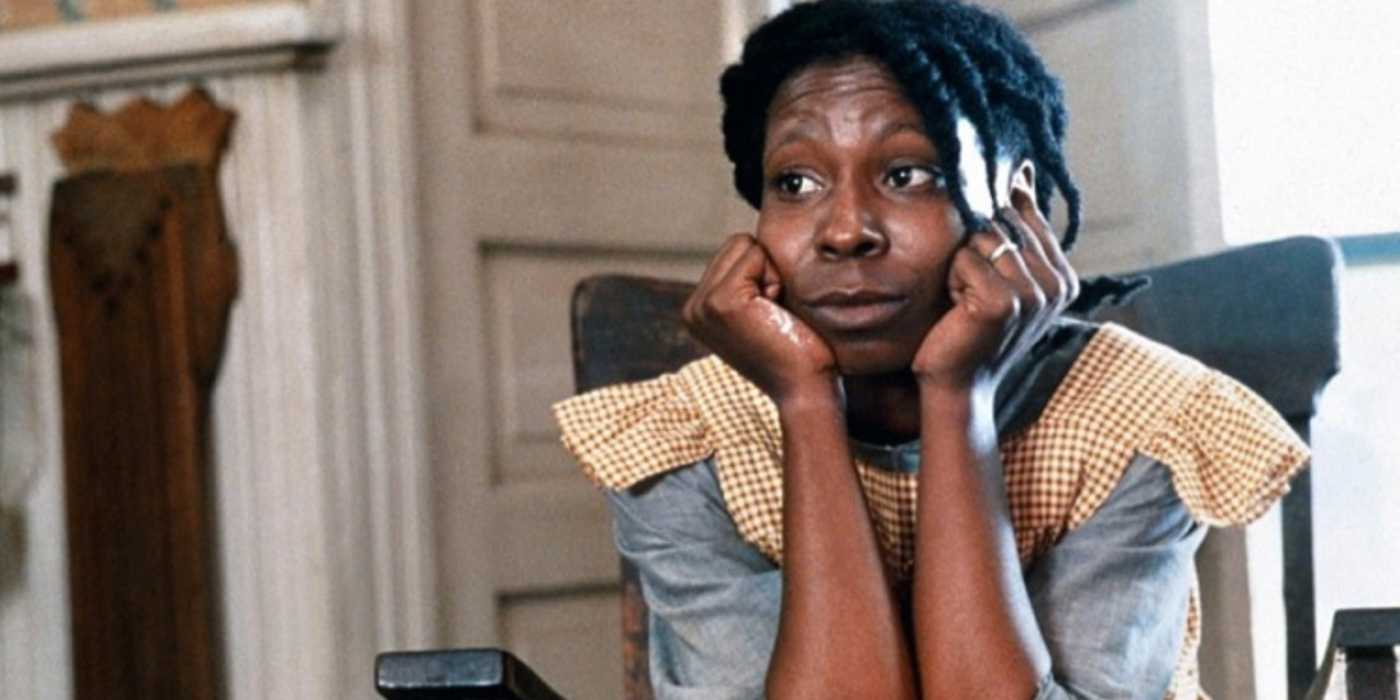
Steven Spielberg’s original movie adaptation of Alice Walker’s novel, The Color Purple, not only brought Whoopi Goldberg into the spotlight in her first feature film, but also shed critical light on a very difficult time in history for not just women, but Black women in early 1900s America. Though it has garnered criticism for stereotypically categorizing Black men as dominating and abusive, The Color Purple took a bold approach to overcoming adversity that a lot of other media didn’t know how to touch at the time.
Goldberg’s Celie Harris-Johnson’s narrative unearths a troubling life full of abuse, and not just for her, but the other women around her. Oprah Winfrey’s performance as Sofia hits particularly hard. Arrested for protecting her children from the disrespectful coddling of a rich white woman, Sofia is beaten and humiliated in public by police before she’s taken to jail. She is later given the option to serve her sentence or become a live-in servant to the woman who landed her in prison in the first place. There is not a single moment of The Color Purple that isn’t heavy, as it reminds the viewer of just how far the world has come and how far it still needs to come.
The Green Mile: Is One of Stephen King’s Heaviest Movie Adaptations
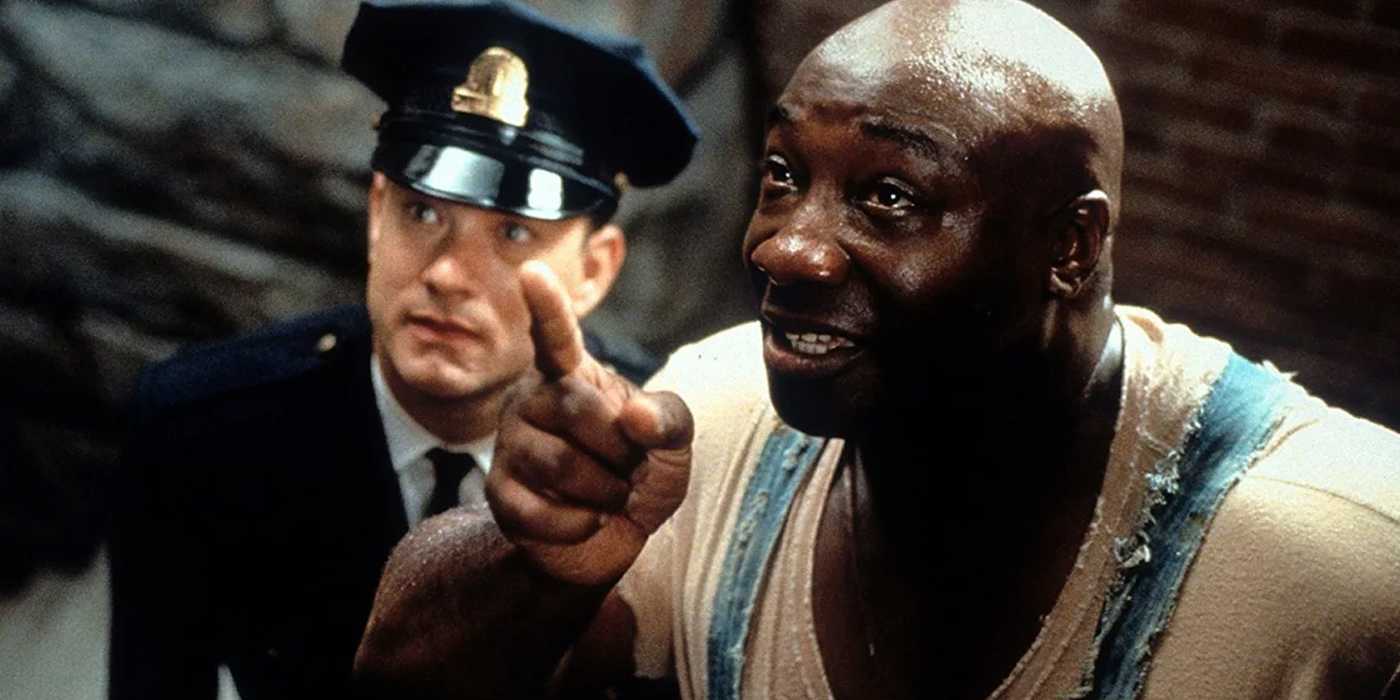
Twenty-six years after the release of The Green Mile film adaptation, one heavy line still resonates: “He kill ‘em wi their love.” Starring the late Michael Clarke Duncan as gentle giant John Coffey, Coffey is a falsely accused Black man on death row for murder during the Great Depression. The Green Mile is an emotional roller coaster that packs a heavy punch from start to finish, especially once viewers learn Coffey possesses mysterious healing abilities. Corrections officer Paul Edgecomb (Tom Hanks) becomes convinced of Coffey’s innocence, especially once he learns about his abilities.
Despite Coffey’s obvious innocence, and with the actual killer also locked up on death row, there is nothing that can be done to save an innocent man who was caught in the wrong place, trying to do the right thing. Not only does The Green Mile force the viewer to recognize the humanity of prison inmates on death row, but it also raises questions about how many of them may actually be innocent, which takes a heavy, emotional toll on the viewer and the officers walking the Green Mile at Cold Mountain Penitentiary.