







The Rise and Impact of Science Fiction in the 1990s
The 1990s marked a significant shift in Hollywood history, particularly for the science fiction genre. While it had once been a dominant force in cinema, the decade saw a decline in its popularity, with only a few films like Jurassic Park and Independence Day managing to capture the public’s imagination. At the same time, directors such as Quentin Tarantino and David Fincher revitalized the crime thriller genre, leading to a focus on smaller, character-driven stories over big-budget spectacles. However, this trend began to change when Will Smith stepped into the spotlight with a film that would become a defining moment in science fiction history.
Will Smith: A Star Who Redefined Action Heroes
Will Smith is widely regarded as one of the most successful actors of the past three decades. His career has been defined by a unique blend of comedy and action, making him a versatile performer who could appeal to a broad audience. From his early days on The Fresh Prince of Bel-Air to his roles in Men in Black and Bad Boys, Smith established himself as a cultural icon. However, it was his 1996 performance in Independence Day that truly solidified his status as an action hero. This film not only showcased his charisma but also helped revive the science fiction blockbuster, proving that such films could still resonate with audiences.
The Decline of Science Fiction in the 1990s
The 1990s were a challenging period for science fiction films. Unlike the 1980s, which was dominated by family-friendly franchises like Ghostbusters, Back to the Future, and Star Wars, the new decade saw a shift towards more niche genres. Directors like Quentin Tarantino and David Fincher proved that small budgets could lead to massive box office success, paving the way for a resurgence of character-driven dramas and dark thrillers. Meanwhile, films like Pulp Fiction and Dances With Wolves demonstrated that audiences were willing to embrace more complex narratives.
However, this shift came at a cost for science fiction. Despite the success of Jurassic Park in 1993, other big-budget projects such as The Postman, Waterworld, Virtuosity, and Judge Dredd failed to meet expectations. As a result, studios became hesitant to invest in science fiction, especially those relying heavily on CGI. By the end of the decade, the genre was struggling to find its place in Hollywood.
Independence Day: A Game-Changer for Sci-Fi
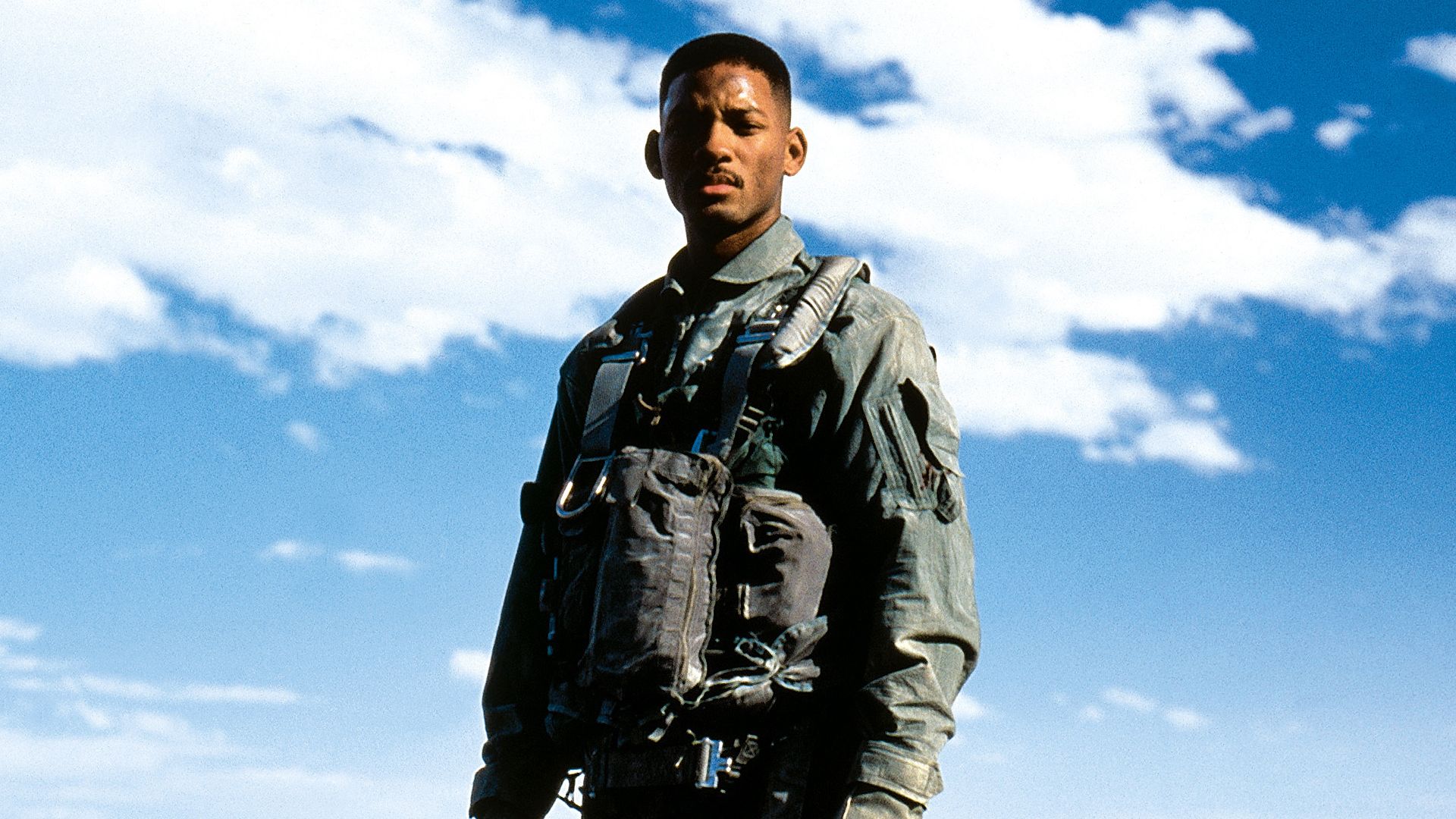
In 1996, Roland Emmerich and Dean Devlin released Independence Day, a film that would go on to redefine the science fiction blockbuster. Set during the Fourth of July weekend, the movie follows the arrival of an alien fleet on Earth and the subsequent global conflict. The film features a diverse cast, including Will Smith as a U.S. Air Force pilot who plays a crucial role in the resistance against the invaders.
What made Independence Day stand out was its blend of patriotism, action, and visual spectacle. It resonated deeply with post-Cold War America, emphasizing themes of unity and resilience. Although some critics found the film’s patriotic tone overwhelming, its impact on the genre was undeniable. The movie grossed over a billion dollars, cementing Will Smith’s status as a box office powerhouse and opening the door for more diverse representation in Hollywood.
The Legacy of Independence Day
After the success of Independence Day, studio interest in science fiction began to rise again. While many subsequent films struggled to match the film’s success, the overall impact of Emmerich’s work was significant. It helped revive the alien invasion sub-genre, which had previously been associated with low-budget B-movies. The film’s influence can be seen in later works such as War of the Worlds and modern sci-fi blockbusters like Edge of Tomorrow and The Tomorrow War.
Moreover, Independence Day set a new standard for science fiction epics. It proved that such films could balance spectacle with character development, something that had been a challenge for Hollywood in the past. The film also earned an Academy Award for Best Visual Effects, highlighting its technical achievements.
Conclusion
Independence Day remains a landmark film in the history of science fiction. It not only revived the genre but also paved the way for future successes. Will Smith’s performance helped establish him as a major star, while the film itself became a blueprint for what a science fiction blockbuster could achieve. Its legacy continues to influence modern cinema, proving that even in times of uncertainty, a well-crafted story can capture the hearts of audiences around the world.