








A New Hollywood Icon Emerges
Timothée Chalamet has once again proven that he belongs among the greats of New Hollywood. In Marty Supreme, he delivers a performance that echoes the raw energy and intensity of Seventies icons like Harvey Keitel and Gena Rowlands. With his magnetic presence and undeniable talent, Chalamet solidifies his place as one of the most compelling actors of his generation.
The film is a fictionalized account of a midcentury table tennis champion, loosely inspired by real-life figure Marty Reisman. It’s a story filled with tension, driven by the same frenetic energy that director Josh Safdie brought to his earlier works with his brother Benny. The narrative unfolds like a fairytale, but one written during a stimulant-induced panic attack—unpredictable, chaotic, and deeply immersive.
Safdie’s direction keeps the pace high, though it’s slightly less relentless than in previous projects. Chalamet’s character, Marty Mauser, is on a mission to raise money for an international tournament in London and Tokyo. His journey is one of desperation, with glory just out of reach. He’s an underdog, but not necessarily someone you want to cheer for. His actions often border on selfishness, such as when he sleeps with Rachel (Odessa A’zion) and claims it couldn’t be his child because he “pulled out.” His bravado is matched only by his arrogance, as he threatens to “drop a third nuclear bomb on their head” to intimidate his opponents.
Despite this, Chalamet brings a unique energy to the role, reminiscent of Al Pacino’s early performances. His physicality is expressive, and his eyes convey vulnerability that adds depth to his character. The camera lingers on his features—pockmarked skin, a distinctive unibrow, and wireframe glasses—drawing attention to the emotional core of his performance.


A World Fueled by Tension and Ambition
Safdie’s focus is not only on the tension but also on creating a rich, immersive environment for Chalamet to thrive. Cinematographer Darius Khondji captures the film in warm, 35mm tones, giving it a nostalgic yet vibrant feel. The cast includes a variety of unique, recognizable faces, from director Abel Ferrara to magician Penn Jillette and high-wire artist Philippe Petit. These cameos add texture to the world of Marty Supreme.
While the film is set in 1952, its soundtrack by Daniel Lopatin has an Eighties vibe, reflecting Marty’s fast-paced life. This anachronism underscores his sense of urgency and disconnection from the era. Characters like Wally (Tyler Okonma), Marty’s closest friend, are treated as tools in his quest for success, yet they can’t refuse his requests. When Marty senses genuine pain in others, he slows down, delivering lines with unexpected sincerity. His ambition is both admirable and destructive, infecting everyone around him with his relentless drive.
Chalamet’s own reflections on achievement resonate with his portrayal of Marty. In a recent awards speech, he expressed a desire to be one of the greats. This connection likely allows him to understand the more vulnerable side of his character, adding layers to his performance.
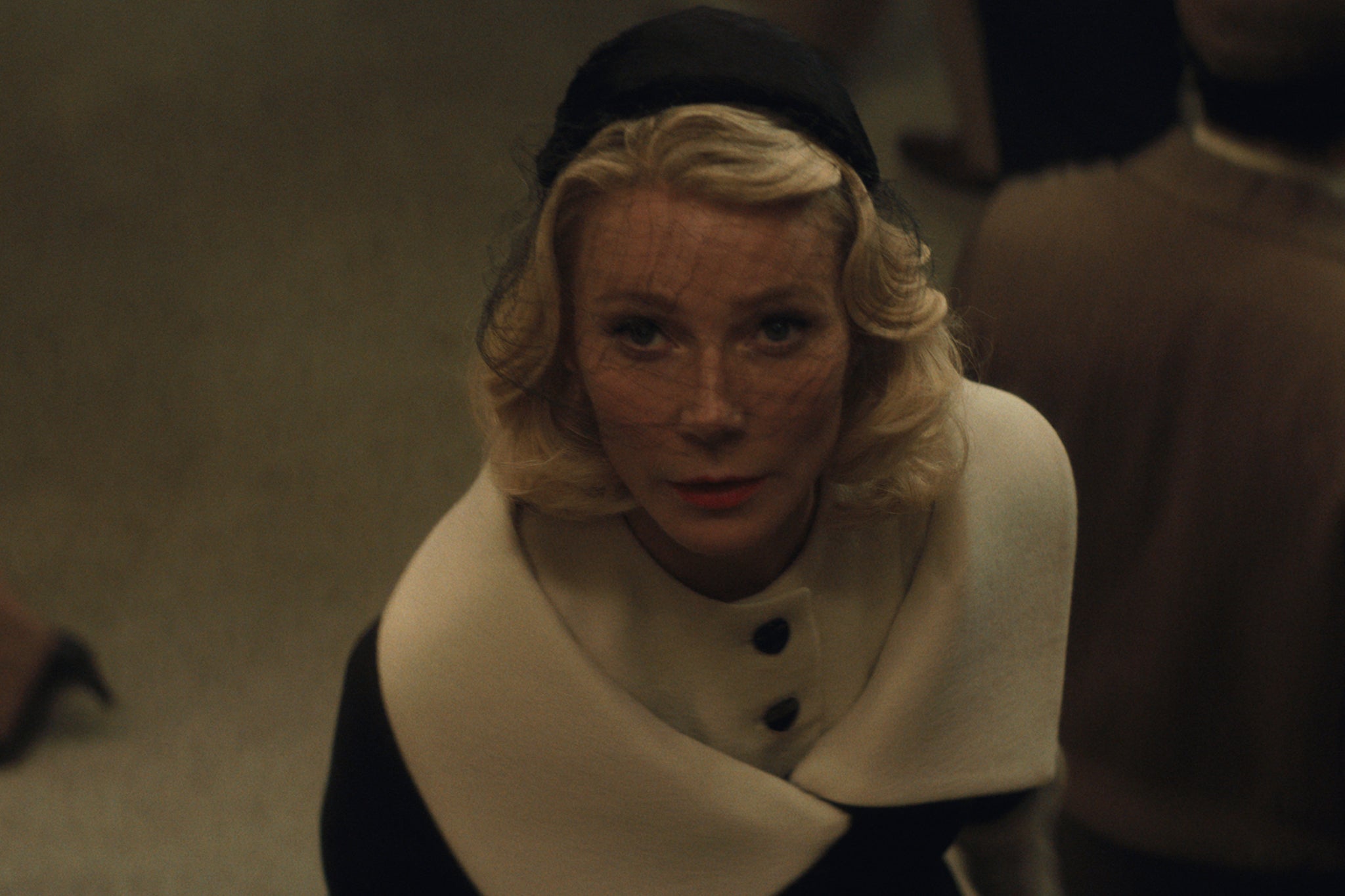

A Struggle Against Capitalism
Marty is a Jewish, working-class kid from the postwar era, described by himself as “Hitler’s nightmare.” He carries a deep need to prove himself and heal old wounds. However, every attempt at success leads him back to the harsh realities of capitalism. This is embodied by Milton Rockwell (Kevin O’Leary), Kay’s pen magnate husband, who sneers at Marty, saying, “You’ll never be happy.”
We root for Marty not necessarily for his skill in table tennis, although Safdie captures the game with striking intimacy, showing every decision and reaction on his competitors’ faces. Instead, we support him because we want to see someone finally get the better of the powerful. Whether he succeeds or not is left as a surprise, but Chalamet gives Marty a poignant ending. He allows Marty to become a human being again, letting him cry—a moment of vulnerability that resonates deeply.
Cast and Credits
Directed by Josh Safdie, Marty Supreme stars Timothée Chalamet, Gwyneth Paltrow, Odessa A’zion, Kevin O’Leary, Tyler Okonma, Abel Ferrara, and Fran Drescher. The film runs for 149 minutes and is now playing in cinemas.