




Forget what you thought was planned; some of cinema’s most unforgettable moments actually sprang from pure spontaneity and quick thinking. Although every film starts with a detailed script, the creation of a movie is a dynamic, collaborative process where the written word often transforms unexpectedly in front of the camera.
Often, the magic isn’t found in what’s written, but in what happens when actors are given the freedom to bring their own unique interpretations, or when unforeseen circumstances force a creative pivot. These unscripted gems, whether they’re ad-libbed lines, genuine emotional reactions, or brilliant on-set adaptations, have a way of becoming the most talked-about and beloved parts of a film, proving that true cinematic brilliance sometimes can’t be contained by a page.
From tense dramas to laugh-out-loud comedies, these moments transcend mere dialogue or action, offering raw authenticity that connects with audiences on a deeper level. We’re about to embark on a fascinating journey through some of the most iconic unscripted moments in movie history, showcasing how accidents, improvisations, and sheer genius transformed good scenes into legendary ones. Prepare to discover the unplanned brilliance that shaped these unforgettable cinematic experiences.
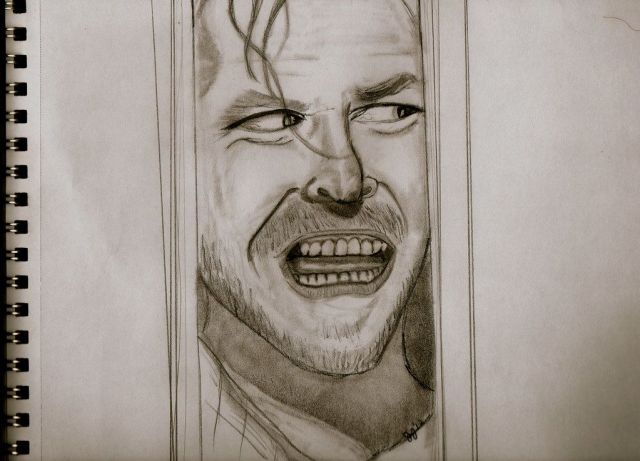
1. **Jack Nicholson’s “Here’s Johnny!” in Shining**Stanley Kubrick’s horror masterpiece, *The Shining*, is renowned for its chilling atmosphere, but one of its most iconic and terrifying moments was entirely unscripted. When Jack Nicholson’s deranged character, Jack Torrance, smashes through the bathroom door with an axe, he delivers the unforgettable line, “Here’s Johnny!” This was an inspired improvisation by Nicholson.
As reported by Far Out Magazine, Nicholson’s line was a playful, albeit deeply unsettling, nod to the famous introduction of Johnny Carson on *The Tonight Show*. This unexpected burst of dark humor perfectly encapsulated Torrance’s descent into madness, instantly resonating with audiences and embedding itself into the annals of horror cinema.
The improvised line quickly became one of the most quoted moments in horror history, cementing itself in popular culture. Nicholson’s manic, unhinged performance, combined with Shelley Duvall’s palpable and genuine terror, created a scene that has haunted viewers for decades. To this day, the phrase remains synonymous with cinematic madness and unexpected terror.
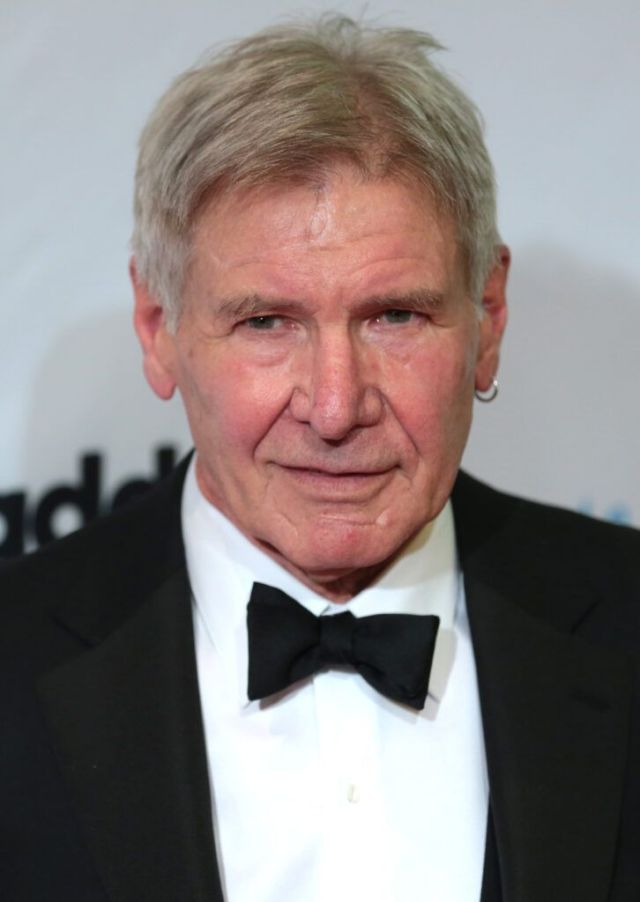
2. **Harrison Ford Shooting the Swordsman in Raiders of the Lost Ark**In the action-packed classic *Raiders of the Lost Ark*, Indiana Jones was initially slated for an elaborate, lengthy whip-versus-sword fight with a skilled swordsman. However, as Screen Rant explains, filming day brought an unexpected challenge: Harrison Ford was suffering from food poisoning and was too unwell to execute the complex choreography required for the duel.
Faced with this predicament, Ford, demonstrating his character’s practicality and his own quick wit, suggested a drastically simpler solution. Instead of engaging in a drawn-out battle, Indy would simply pull out his gun and shoot the opponent. This spontaneous suggestion completely changed the scene, injecting a dose of dark humor and efficiency into the encounter.
As it turned out, this improvised gag became one of the most beloved and memorable moments in the entire *Indiana Jones* franchise. Audiences roared with laughter at the unexpected turn, and the scene perfectly captured Indy’s pragmatic and often sardonic humor. To this day, it remains a defining piece of his character’s legacy, a testament to how creative problem-solving can lead to cinematic gold.
3. **Viggo Mortensen’s Scream After Kicking a Helmet in Lord of the Rings: The Two Towers**During the emotionally charged filming of *The Two Towers*, Aragorn, played by Viggo Mortensen, believes that Merry and Pippin may have perished. In a moment of raw, profound frustration and grief, Mortensen’s character kicked a Uruk-hai helmet that was lying on the ground, a planned action to convey his anguish.
What wasn’t in the script, and what dramatically elevated the scene, was the fact that Mortensen actually broke two toes in the process, as noted by WhatCulture.com. His subsequent agonized scream was entirely real, not an act. This genuine pain infused the performance with an incredible layer of authenticity that no amount of acting could have truly replicated.
Moviegoers and critics alike frequently highlight this moment as one of Mortensen’s most powerful and memorable performances in the entire *Lord of the Rings* trilogy. The raw, unfiltered pain in his voice added an extra dimension of truth to Aragorn’s despair. The accident transformed into a performance highlight that fans continue to admire for its unvarnished realism and emotional depth.
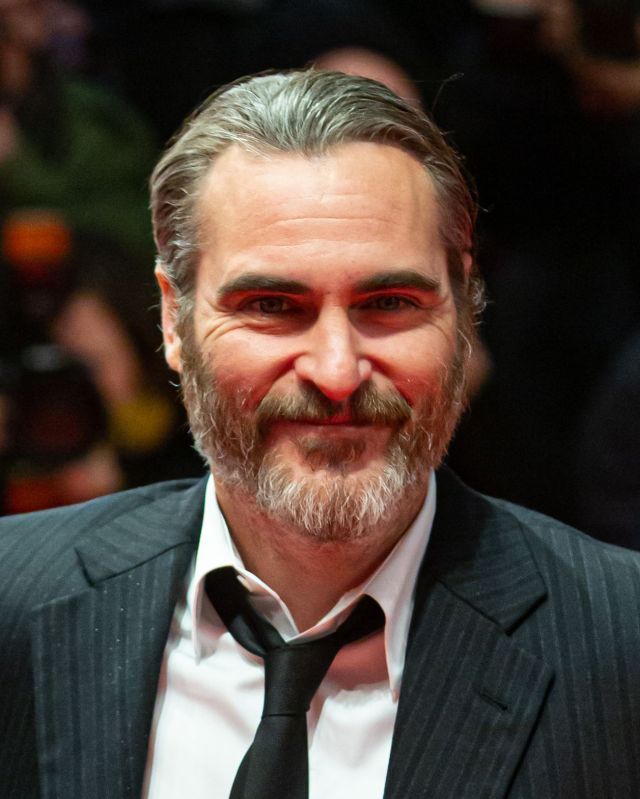
4. **Dustin Hoffman’s “I’m Walking Here!” in Midnight Cowboy**Filming on the bustling streets of New York City presented unique challenges for the cast of *Midnight Cowboy*, as Dustin Hoffman and Jon Voight had to navigate real-life traffic and urban chaos. In one particularly memorable take, a taxi cab unexpectedly veered close to Hoffman, almost hitting him.
According to Cinephilia & Beyond, Hoffman, fully immersed in his character Ratso Rizzo, instinctively slammed his hand on the hood of the taxi and shouted the now-iconic line, “I’m walking here!” This spontaneous outburst was a genuine reaction to the near-accident, capturing the raw energy and unpredictable nature of New York City.
This unscripted moment perfectly encapsulated the grit of both the character and the city itself, embodying the chaos of New York. The line became one of the most famous in film history, an enduring symbol of urban resilience and character. It remains a shining example of how improvisation born from real-world events can turn into cinematic gold, making a scene feel incredibly authentic.
5. **Leonardo DiCaprio’s Accidental Injury in Django Unchained**: In Quentin Tarantino’s *Django Unchained*, Leonardo DiCaprio’s villain Calvin Candie smashes a glass in a rage during a tense dinner. During one take, this dramatic action took a surprising turn when DiCaprio actually cut his hand significantly.
Instead of breaking character or stopping the scene, DiCaprio, with remarkable commitment, used the real blood to intensify his performance. As reported by Daily Express US, he smeared the blood on his co-star’s face, further escalating the already tense encounter and adding an unsettling layer of realism to Candie’s depravity and madness.
Viewers were stunned by the sheer realism of the moment, and even his veteran co-stars were visibly taken aback by his dedication and intensity. Tarantino, recognizing the authenticity and raw power of the improvised act, loved the take and kept it in the final cut. This accident showcased DiCaprio’s profound dedication to his craft in an unforgettable, unsettling fashion, creating one of the film’s most chilling moments.
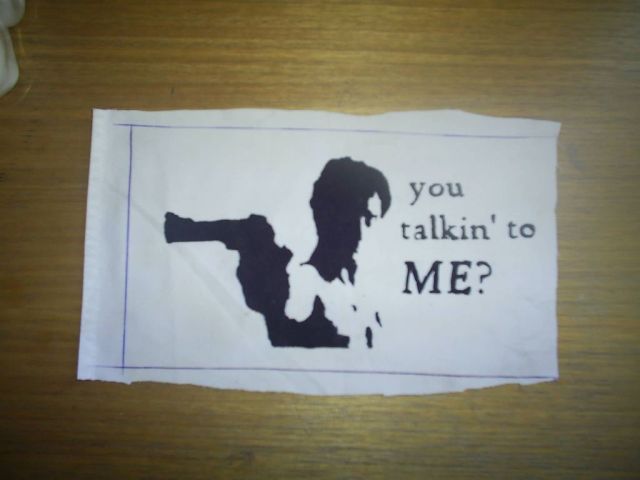
6. **Robert De Niro’s “You Talkin’ to Me?” in Taxi Driver**Martin Scorsese is known for his trust in his actors, and this creative freedom led to one of cinema’s most iconic monologues in *Taxi Driver*. As The Hollywood Reporter notes, Robert De Niro was given the liberty to improvise during a pivotal scene where his character, Travis Bickle, talks to himself in the mirror.
The original script merely indicated that Travis should “[talk] to himself in the mirror.” De Niro took this simple instruction and crafted the now-legendary monologue, staring intently into his own reflection and muttering, “You talkin’ to me?” over and over, building an unsettling intensity that perfectly captured Bickle’s unraveling psyche.
This improvised monologue has since become a pop culture staple, referenced countless times in films, television shows, and comedy routines. Few lines better illustrate how the space for improvisation, even within a carefully structured film, can define an entire character and become an indelible part of cinematic history, embodying the disturbed essence of Travis Bickle.
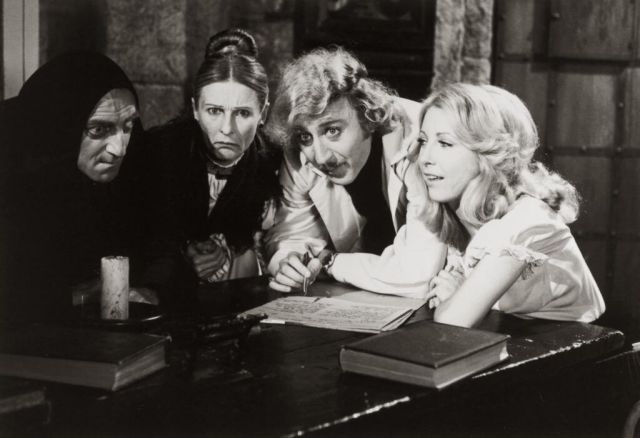
7. **Gene Wilder’s Entrance in Willy Wonka & the Chocolate Factory**Gene Wilder’s initial appearance as the eccentric chocolatier Willy Wonka is one of the most memorable character introductions in film history. When he first emerged from his factory, he hobbled forward with a cane, only to suddenly lose his balance, roll into a somersault, and spring upright with a flourish, as chronicled by TheWrap.
This peculiar and delightful entrance was not in the script; it was entirely Wilder’s own idea. His intention was to immediately establish Wonka’s unpredictable and enigmatic nature, keeping both the young characters and the audience guessing about his true personality and intentions from the very first moment.
Wilder even insisted that if he couldn’t perform the entrance his way, he wouldn’t take the role, demonstrating his conviction in this creative choice. His clever stunt instantly set the perfect tone for Wonka’s eccentric personality and defined how audiences would perceive him throughout the film. It’s a testament to an actor’s vision shaping a character from the ground up.
Delving into eight additional unforgettable scenes born from improvisation, we explore how spontaneous actor choices and on-set accidents became defining elements of their respective movies and pop culture. These moments, often born from pure instinct or creative freedom, continue to captivate audiences and prove that true movie magic can often be found outside the meticulously crafted script.
8. **Martin Sheen’s Breakdown in Apocalypse Now**The opening sequence of Francis Ford Coppola’s *Apocalypse Now* immerses viewers into Captain Willard’s spiraling madness, a descent that feels shockingly real from its very first moments. Set in a hotel room in Saigon, Sheen’s character is shown wrestling with his inner demons, a performance that blurs the lines between actor and character in a profound and unsettling way.
According to The Jam Report, Martin Sheen was actually inebriated during the filming of this intense scene. His method approach, coupled with the raw, chaotic energy of the set, contributed to an atmosphere where the unexpected could, and often did, happen. This unscripted element provided an unfiltered glimpse into Willard’s fractured psyche.
During one particularly harrowing take, Sheen, fully immersed in his character’s anguish, actually cut his hand on a mirror. Rather than halting the production, Coppola made the audacious decision to keep this visceral, unscripted footage in the final cut of the film. This choice amplified the scene’s authenticity, making Willard’s unraveling feel even more palpable and disturbingly genuine.
The result was an unflinching portrait of a man on the brink, setting an incredibly raw and chaotic tone for the psychological journey that was to follow. Sheen’s genuine pain and vulnerability transformed what could have been a mere act into a chilling, unforgettable opening that masterfully conveyed the film’s exploration of madness and the horrors of war.
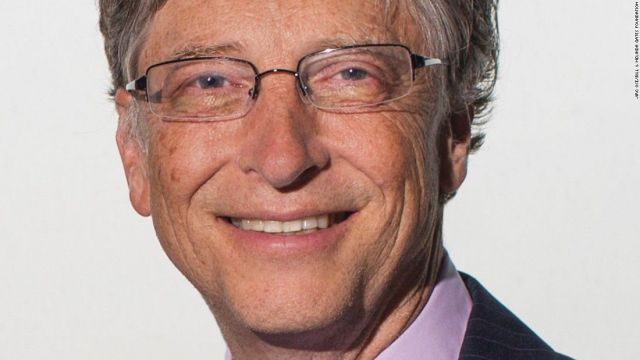
9. **Bill Murray’s Improvised Lines in Ghostbusters**: When it comes to comedic improvisation, Bill Murray is a master, and the classic 1984 film *Ghostbusters* gave him a huge stage to display his unique spontaneous humor. His role as Peter Venkman, the sarcastic and cool paranormal investigator, is largely defined by his incredible ability to improvise lines.
Many of Peter Venkman’s most enduring and laugh-out-loud funny lines were not meticulously penned by screenwriters but were, in fact, conjured by Murray on the spot. As UPROXX documented, these quick-witted quips and unexpected observations became immediate fan favorites, adding layers of charm and irreverent humor that resonated deeply with audiences.
Murray’s amazing skill in reacting to his co-stars and the unfolding scene made the dialogue feel incredibly real and natural. This conversational and spontaneous quality greatly enhanced the film’s comedic timing, producing moments that felt genuinely unscripted and thus even funnier. It’s a perfect example of an actor enhancing the material beyond what was written.
His consistent ability to infuse scenes with unscripted brilliance was instrumental in elevating *Ghostbusters* beyond a mere supernatural comedy to the status of a timeless classic. These ad-libbed gems are a testament to how an actor’s quick thinking can not only define a character but also cement a movie’s legacy in pop culture for decades.
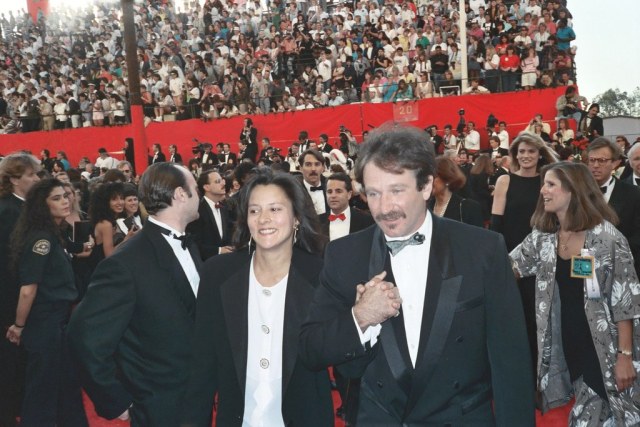
10. **Robin Williams’ Ad-Libs in Good Will Hunting**Robin Williams was, without question, a legendary force of improvisational genius, a talent that allowed him to inject unparalleled life, humor, and heart into countless movie scripts. While his dazzling verbal acrobatics as the Genie in *Aladdin* are famous, his unscripted moments in more dramatic roles, like in *Good Will Hunting*, often carry an even deeper emotional resonance.
One of the film’s most cherished and moving scenes features Williams’ character, Sean Maguire, sharing a very personal and funny story about his late wife. This particular anecdote, told with such sincere emotion, deviates considerably from the written script, showcasing Williams’ talent for creating moments that feel intensely real and deeply human.
During this powerful scene, Williams improvised a joke about his wife waking herself up with her own farts. The unscripted nature of this intimate, slightly absurd detail caught his co-star, Matt Damon, completely off guard, leading to Matt Damon bursting into genuine, uncontrollable laughter. This raw, authentic reaction became an integral part of the scene’s magic.
Director Gus Van Sant, recognizing the incredible authenticity and warmth that this improvised exchange brought, wisely decided to keep the take in the final cut. The moment, filled with real emotion and spontaneous humor, added an undeniable layer of humanity to Williams’ character, cementing it as one of the most cherished and talked-about exchanges in the entire film, a true testament to the power of unscripted genius.
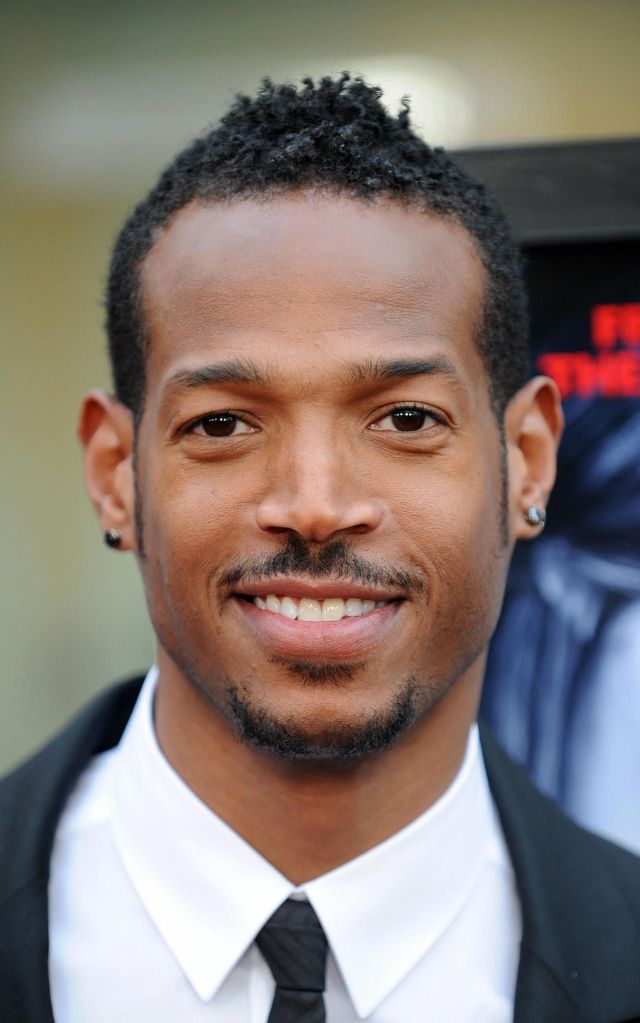
11. **Marlon Brando’s Unscripted Glove Drop in On the Waterfront**: In the intense drama *On the Waterfront*, Marlon Brando, as the unforgettable Terry Malloy, delivered a masterclass in subtle, unscripted genius. One specific scene, involving his character and Eva Marie Saint’s Edie Doyle, includes a small, seemingly minor action that, thanks to Brando’s intuition, became incredibly powerful.
As the narrative unfolds, Eva Marie Saint’s character accidentally drops a glove. What wasn’t written in Budd Schulberg’s script was Brando’s spontaneous decision to pick up the glove and, with a casual, almost unconscious grace, slip it onto his own hand. This seemingly minor gesture speaks volumes about the burgeoning connection between the two characters.
This understated action, born purely from Brando’s on-set instinct, transcended mere dialogue to deepen the chemistry between Malloy and Doyle in a way that words alone might have struggled to achieve. It conveyed a sense of intimacy, vulnerability, and a quiet protectiveness, instantly making the scene feel more personal and emotionally resonant to the audience.
Widely regarded as one of Brando’s most brilliant unscripted choices, this moment perfectly illustrates how small, unscripted gestures can profoundly alter the tone and emotional landscape of a scene. It remains a shining example of an actor’s ability to infuse a character with authentic, unspoken layers that resonate with enduring power.
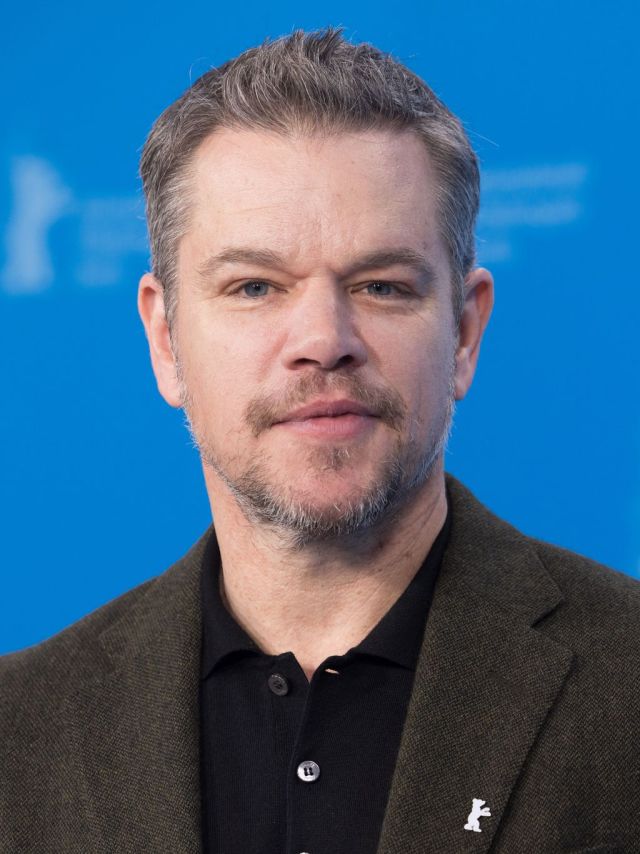
12. **Matt Damon’s Story in Saving Private Ryan**Steven Spielberg’s epic war drama *Saving Private Ryan* is renowned for its unflinching realism and emotional depth, but one of its most poignant moments was born from a moment of unscripted inspiration. In a critical scene, Captain Miller, portrayed by Tom Hanks, endeavors to connect with Private Ryan by asking him to share memories of his brothers.
What was delivered in that intimate exchange was far more than scripted dialogue. As the conversation progresses, Matt Damon, in a powerful display of commitment to his character, improvised a deeply heartfelt and personal story about his brothers. This wasn’t a pre-planned monologue but a spontaneous outpouring, crafted in the moment to convey Ryan’s inner world.
Spielberg, with his keen eye for authentic human emotion, immediately recognized the profound genuineness of Damon’s improvised narrative. Rather than asking for a re-take or adhering strictly to the script, he wisely chose to keep this raw and unforced performance in the final cut of the film, allowing its emotional power to remain untainted.
This unscripted story added a profound emotional depth to Ryan’s character, making him much more than just a figurehead for a mission. It allowed the audience to connect more deeply with his struggle for survival and understand the human element at the heart of the film’s harsh war setting. It truly grounds the emotional core of *Saving Private Ryan*.
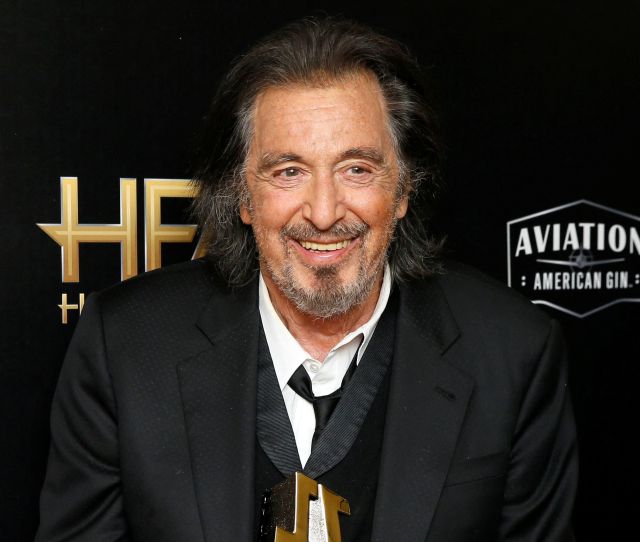
13. **Al Pacino’s “Attica!” in Dog Day Afternoon**The tense and claustrophobic bank standoff in Sidney Lumet’s *Dog Day Afternoon* is a masterclass in suspense and character study, further intensified by Al Pacino’s iconic, unscripted outburst. As his character, Sonny Wortzik, finds himself surrounded by law enforcement and a burgeoning crowd, a moment of pure spontaneity electrified the scene.
With the pressure mounting and the crowds outside growing, Pacino began to spontaneously shout, “Attica! Attica!” This powerful chant was not present in the original screenplay. Instead, it was an improvised choice by Pacino, drawing directly from the real-life prison riot at Attica Correctional Facility that had captivated national attention just a few years prior.
This unplanned plea for justice and unity introduced a raw, potent political dimension to the already tense situation. It significantly amplified the scene’s suspense, transforming it from a simple bank robbery into a complex commentary on societal unrest and desperation, striking a chord with the anxieties of that era.
The powerful moment not only cemented Pacino’s performance as one of his greatest but also forged an indelible connection between the film’s narrative and the real-world events that inspired its underlying themes. It stands as a testament to how an actor’s improvisational genius can infuse a film with profound, unscripted relevance.
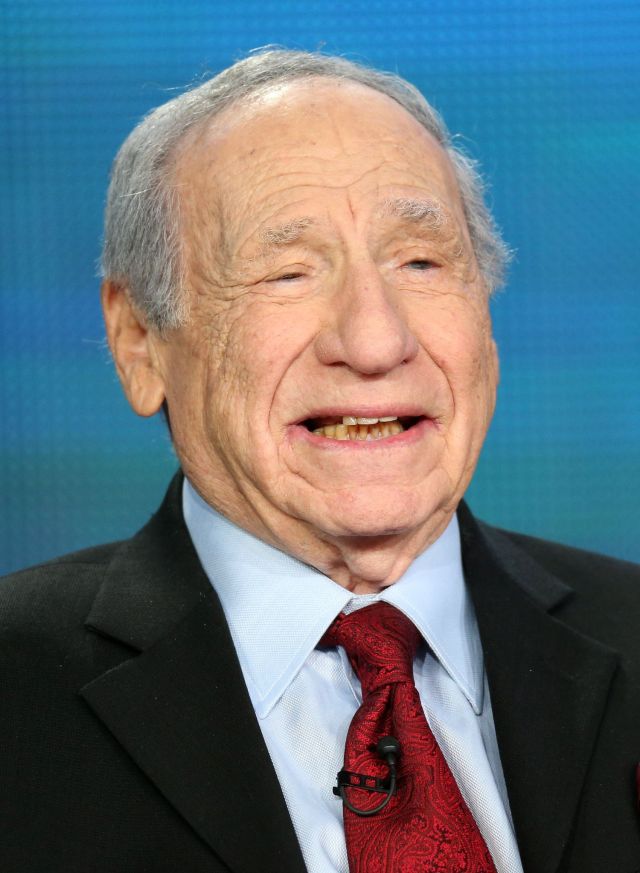
14. **Mel Gibson’s Shoulder Reset in Lethal Weapon**Richard Donner’s *Lethal Weapon* introduced audiences to the volatile and unpredictable Martin Riggs, a character defined by his reckless abandon and extraordinary pain tolerance. One of Riggs’ most memorable and physically shocking moments comes during a scene where he escapes a straitjacket, a feat made all the more believable by Mel Gibson’s commitment.
To convey the sheer desperation and brutal efficacy of Riggs’ escape, Mel Gibson made an astounding, unscripted decision: he genuinely popped his shoulder out of its socket during filming. This excruciating stunt, executed in real-time, completely caught the crew by surprise, showcasing an unparalleled dedication to cinematic realism.
The raw pain and visceral struggle that radiated from Gibson’s performance added an undeniable layer of authenticity to the scene. It was not merely acting; it was a genuine physical ordeal captured on film, making Riggs’ escape incredibly convincing and cementing his reputation as a man willing to push himself to the absolute limits.
This unscripted act of self-inflicted injury became one of Riggs’ most defining, and dangerous, character traits throughout the *Lethal Weapon* series. It delivered a visceral jolt of realism that audiences never forgot, proving that sometimes, an actor’s extreme commitment to their craft can create an unforgettable, impactful moment that no script could ever fully capture.
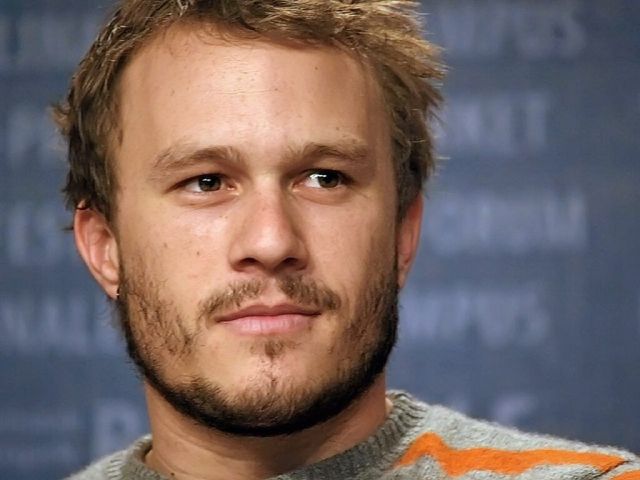
15. **Heath Ledger Clapping in The Dark Knight**Heath Ledger’s transformative portrayal of the Joker in Christopher Nolan’s *The Dark Knight* is legendary, filled with countless instances of unsettling brilliance. One particularly chilling and memorable moment of unscripted genius occurs when the Joker is locked in a jail cell, observing the promotion of Commissioner Gordon.
As Commissioner Gordon is celebrated for his role in the Joker’s capture, Ledger’s character begins a slow, deliberate, and utterly mock-sincere clap from within his confines. This eerie applause was not explicitly written into the script; it was a spontaneous choice made by Ledger, a masterstroke of improvisation that amplified the Joker’s psychological warfare.
This small but incredibly impactful gesture instantly amplified the Joker’s inherent unpredictability and his deep menace. The contrast of his isolated, mocking applause against Gordon’s success spoke volumes about the character’s chaotic nature and his cynical outlook on order and justice, adding significant depth to his already complex portrayal.
Ledger’s unscripted applause became one of the most talked-about moments in the film, lauded as another testament to his complete immersion in the role. It perfectly encapsulated the Joker’s ability to unsettle, to control narratives even from behind bars, and to craft iconic, indelible moments through sheer, inspired spontaneity.
These extraordinary unscripted movie moments remind us that while a detailed screenplay is essential for any great film, the magic of filmmaking often thrives in its collaborative, fluid nature. Genuine human reactions, flashes of spontaneous genius, and even unexpected events on set can surpass the written word, creating scenes that connect with unmatched authenticity and emotional force. From raw expressions of pain to perfectly timed comedic improvisations, these unplanned gems highlight the brilliance of actors and directors who know that sometimes, the most memorable cinema emerges not from careful planning, but from the beautiful chaos of the moment. They powerfully demonstrate that some of the greatest cinematic legacies are built on moments that simply unfold, proving that true magic often cannot be written – it just happens.