





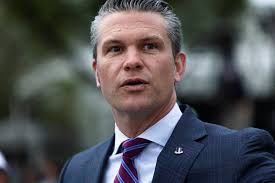

The controversy surrounding U.S. Secretary of Defense Pete Hegseth’s alleged order to “kill everybody” aboard a suspected narcotics vessel in the Caribbean has erupted into a major political and legal firestorm, capturing the attention of the Senate and House Armed Services Committees. The core of the viral report centers on a September 2nd operation where an initial missile strike disabled a vessel off the coast of Trinidad. After two survivors were reportedly spotted clinging to the wreckage, the Special Operations commander overseeing the mission allegedly ordered a second, “double-tap” strike to eliminate the survivors, purportedly to comply with Hegseth’s directive that no one be left alive. This incident, part of a larger, ongoing series of lethal strikes against suspected “narco-boats” in the Western Hemisphere, has triggered a fierce debate over the legality of the operations, the scope of executive power, and the adherence to the laws of armed conflict.
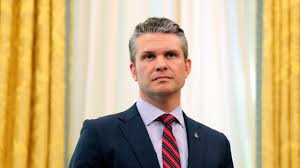
💥 The Alleged “Kill Everybody” Order and the September 2nd Strike
The initial reporting, primarily by The Washington Post, laid out a stunning narrative of the September 2nd strike, which has since become the defining point of the controversy.
The Operation and the Command Chain
The strike was the opening salvo in an aggressive, heightened campaign by the Trump administration against what it calls “narco-terrorists” operating in the Caribbean and Pacific, primarily moving drugs from Venezuela. The operation was reportedly led by the elite counter-terrorist group SEAL Team 6.
According to the reports, after the first missile strike hit the vessel—allegedly carrying 11 individuals—two survivors were spotted in the water clinging to the wreckage. It is at this critical juncture that the alleged directive from Secretary Hegseth became operational. Sources with direct knowledge of the mission claimed the commander overseeing the operation, in a secure conference call, ordered the second strike specifically “to fulfill Hegseth’s directive that everyone must be killed.”
The second strike, often referred to as a “double-tap” in military parlance, successfully sank the boat and killed the two remaining individuals. The total death toll from this single incident was 11. The gravity of the allegation—that the U.S. military carried out a deliberate, lethal strike against unarmed survivors in the water—has created an unprecedented political crisis for the Department of Defense (DoD).
The Pentagon’s Conflicting Accounts
The Pentagon’s official narrative surrounding the “double-tap” strike has been highly scrutinized and appears to contradict the claims made by the anonymous sources.
Official Explanation to the White House and Congress: Briefing materials provided by the Joint Special Operations Command (JSOC) to the White House and closed-door briefings for lawmakers reportedly stated that the follow-on strike was intended only to sink the boat and remove a navigation hazard for other vessels. This account suggested the strike was logistical and not aimed at eliminating survivors.
Hegseth’s Public Defense: Following the media leak, Secretary Hegseth staunchly denied giving the order to “kill everybody,” labeling the reports as “fake news,” “fabricated, inflammatory, and derogatory.” However, he simultaneously defended the strikes as legally sound, asserting on social media that they are “highly effective strikes” and “specifically intended to be ‘lethal, kinetic strikes.'” He maintained the objective is to “stop lethal drugs, destroy narco-boats, and kill the narco-terrorists who are poisoning the American people.”
The conflict between the alleged verbal order, the actions of the Special Operations commander, the briefing materials provided to Congress, and Hegseth’s public denials forms the primary area of inquiry for Congressional oversight.
⚖️ The Legal and Ethical Fault Lines
The controversy isn’t just about the execution of a single strike; it brings to a head fundamental legal and ethical questions about the Trump administration’s entire counter-narcotics campaign. The debate hinges on two core issues: the legal status of the individuals on the boats and the adherence to the Law of Armed Conflict (LOAC).
Narco-Traffickers or Narco-Terrorists?
The administration has justified the shift from traditional law enforcement interdiction to lethal military force by designating the drug traffickers as “narco-terrorists” and claiming the U.S. is engaged in an “armed conflict” with these groups, specifically mentioning the Venezuelan gang Tren de Aragua.
Administration’s View (Military): By labeling them as enemy combatants in an armed conflict, the administration argues that the individuals aboard the boats are legitimate military targets who can be killed under the Law of Armed Conflict.
Critics’ View (Law Enforcement): Legal experts, former officials, and lawmakers argue that drug traffickers—even those affiliated with gangs—are fundamentally criminals, not combatants. Under this view, the U.S. military is acting as a police force, and the appropriate action is to interdict the vessels, detain the individuals, and prosecute them in court. Killing them outright, particularly survivors, could be considered extrajudicial killings or potential war crimes.
The Law of Armed Conflict (LOAC)
Regardless of their designation, the treatment of survivors is governed by strict laws. LOAC, or the international humanitarian law (IHL), mandates that military personnel must protect and care for individuals who are hors de combat—meaning those who are out of the fight, such as the wounded, shipwrecked, or captured.
A core argument against the alleged second strike is that two men clinging to wreckage in the water were clearly hors de combat and no longer posing an imminent threat, making their deliberate targeting a potential violation of IHL. A group of former military attorneys released an assessment underscoring that IHL requires the attacking force to protect, rescue, and, if applicable, treat them as prisoners of war.
The gravity of this legal interpretation is immense: if the strikes are deemed unlawful, those involved, including high-ranking officials, could potentially be exposed to prosecution for war crimes or other offenses.
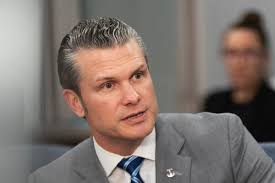
🏛️ Congressional Oversight and Political Fallout
The reports of the “kill everybody” order prompted immediate and bipartisan action from Congress, signaling that the issue transcends typical political divisions.
Senate and House Armed Services Committees
The leaders of both the Senate Armed Services Committee (SASC)—Chairman Roger Wicker (R-Mississippi) and Ranking Member Jack Reed (D-Rhode Island)—issued a rare joint statement announcing an investigation. This bipartisan consensus underscores the severity of the allegations regarding military conduct and legal compliance.
Vigorous Oversight: The committees stated they are “taking bipartisan action to gather a full accounting of the operation” and will be conducting “vigorous oversight” to determine the facts.
Demands for Information: This new scrutiny follows earlier, frustrated efforts by Congress to gain clarity on the entire strike campaign. Lawmakers had previously requested the legal rationale, orders, and recordings related to the strikes, but the Pentagon had reportedly delayed or failed to provide all the material, prompting accusations that the DoD had been deceptive in its descriptions. The specific demand for the video of the September 2nd “double-tap” attack highlights the committees’ determination to establish the facts.
Wider Political Tensions
The Hegseth controversy is unfolding against a backdrop of increasing tension between the White House and certain members of Congress regarding military legality and dissent.
The Mark Kelly Investigation: Just prior to the “kill everybody” report, Hegseth had ordered an investigation into Senator Mark Kelly (D-Arizona) and other Democrats. Kelly, a former Navy combat pilot and a member of the SASC, had made a video reminding service members of their duty to refuse illegal orders. Hegseth had escalated the attack by threatening to recall Kelly to active duty to face a possible court-martial, an action widely seen as an attempt to intimidate congressional oversight.
The Context of Venezuela: Critics also suggest the highly aggressive posture and lethal force in the Caribbean are not solely about drug interdiction but are part of a broader military framework to increase pressure on the Venezuelan regime and potentially lead to regime change.
📝 Conclusion: A Test of American Military Justice
The controversy surrounding Secretary Pete Hegseth’s alleged order to “kill everybody” represents far more than a policy dispute; it is a profound test of the American military justice system and the rule of law in wartime operations. The reports allege a direct violation of one of the most sacred principles of the Law of Armed Conflict: the protection of survivors.
While Hegseth vehemently denies the claims and frames the operations as a lawful, necessary response to “narco-terrorists,” the bipartisan commitment from Congress to investigate signals that the allegations are being taken with the utmost seriousness. The outcome of the Congressional inquiries will determine not only the fate of the Secretary of Defense but also the legal and ethical boundaries for all future U.S. counter-narcotics and counter-terrorism operations worldwide. It forces the nation to confront the uncomfortable reality that in the fog of war, the distinction between a criminal and a combatant—and the legal consequences of lethal action—is everything.
#Hegseth,#PentagonScandal,#KillEverybody,#USPolitics,#DoD,#WarCrimes,#LawOfArmedConflict,#ExtrajudicialKillings,#SEALTeam6,#MilitaryEthics,#CongressionalInvestigation,#SASC,#Oversight,#WickerReed,#NarcoTerrorism,#DrugWar,#Venezuela,#CaribbeanStrike,#NarcoBoat,#FakeNews,#TrumpAdministration,#WashingtonPost,#MediaBias,#MilitaryJustice,#HegsethOut