





The 1960s and the Evolution of Western Cinema
The 1960s marked a pivotal era for cinema, particularly for the Western genre. As the New Hollywood movement began to take shape, the Western found itself at a crossroads. This decade represented the last period where the genre truly defined itself before it gradually lost its appeal among audiences. While Westerns have since evolved and redefined themselves, their golden age was firmly rooted in the Classical Hollywood era and the 1960s.
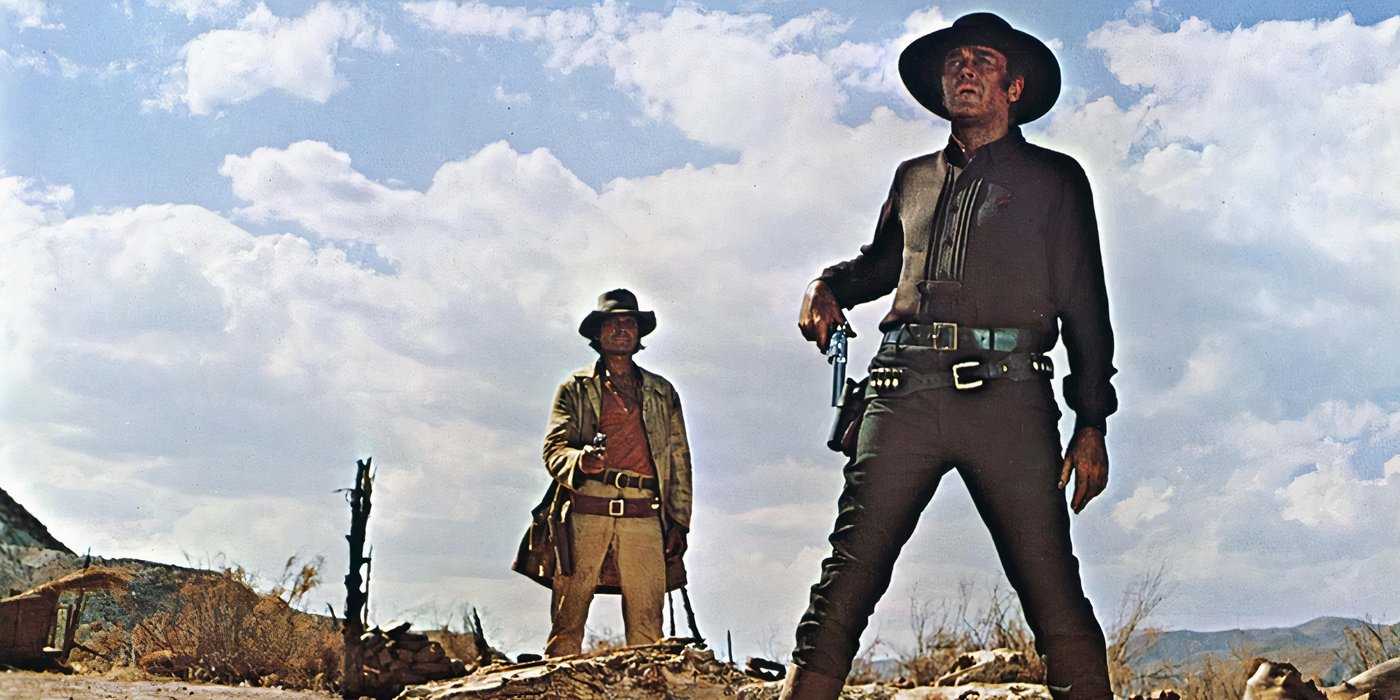
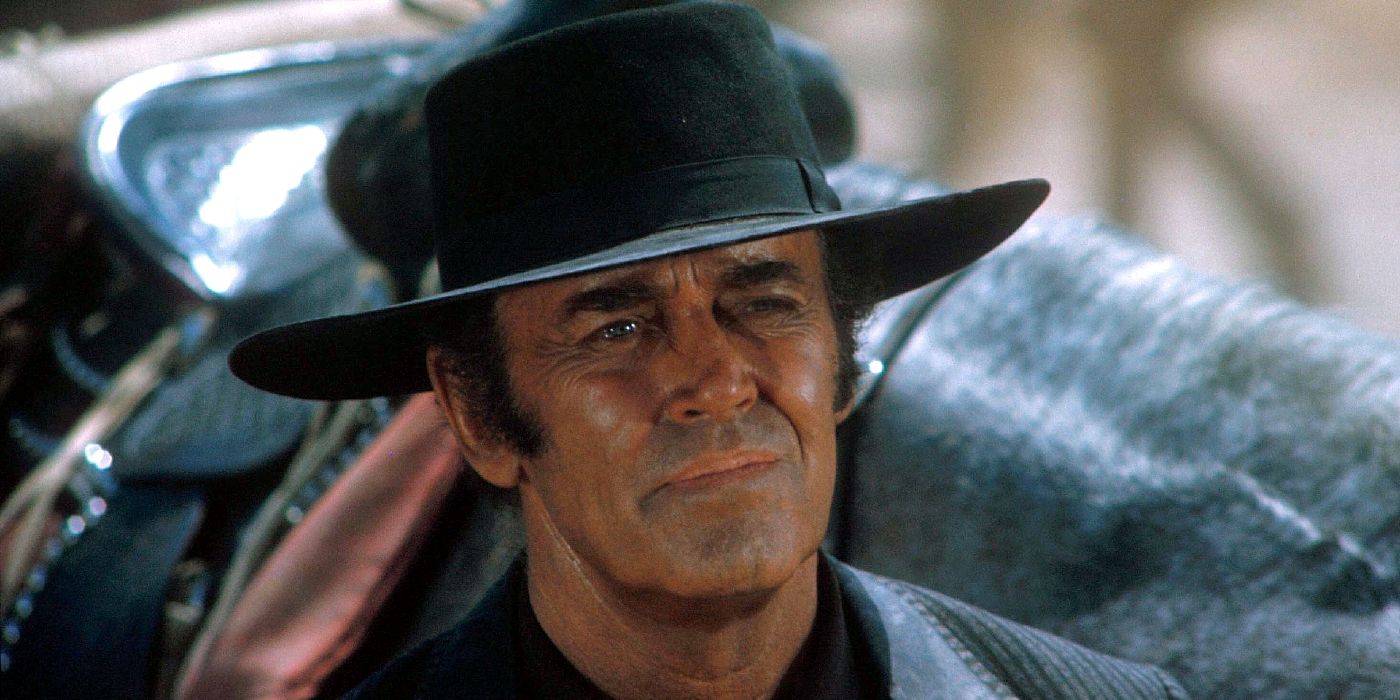
One of the most influential figures in shaping the Western during this time was Sergio Leone. His films, including A Fistful of Dollars, For a Few Dollars More, and The Good, The Bad and the Ugly, redefined the genre with their unique style and storytelling. However, many believe that Leone’s crowning achievement came in 1968 with Once Upon a Time in the West. Starring Henry Fonda and Charles Bronson, this film is often regarded as his magnum opus, blending the grit of the Wild West with a powerful narrative of revenge.
A Masterpiece of Revenge and Myth
Once Upon a Time in the West is not just a Western; it is also one of the greatest revenge films ever made. The film’s opening scene sets the tone for the entire story, establishing a sense of foreboding and intrigue. From the very first shot, the audience is drawn into a world of mythic archetypes and intense character motivations.
Leone’s direction is masterful, with stunning visuals and a mesmerizing score by Ennio Morricone. The film features two iconic American actors, Charles Bronson and Henry Fonda, alongside captivating performances from Claudia Cardinale and Jason Robards. While the film is not driven solely by performance, its direction and visual storytelling are unparalleled. The way Leone weaves together multiple perspectives and characters creates a sprawling epic that feels both intimate and grand.
The Opening Scene: A Cinematic Masterclass
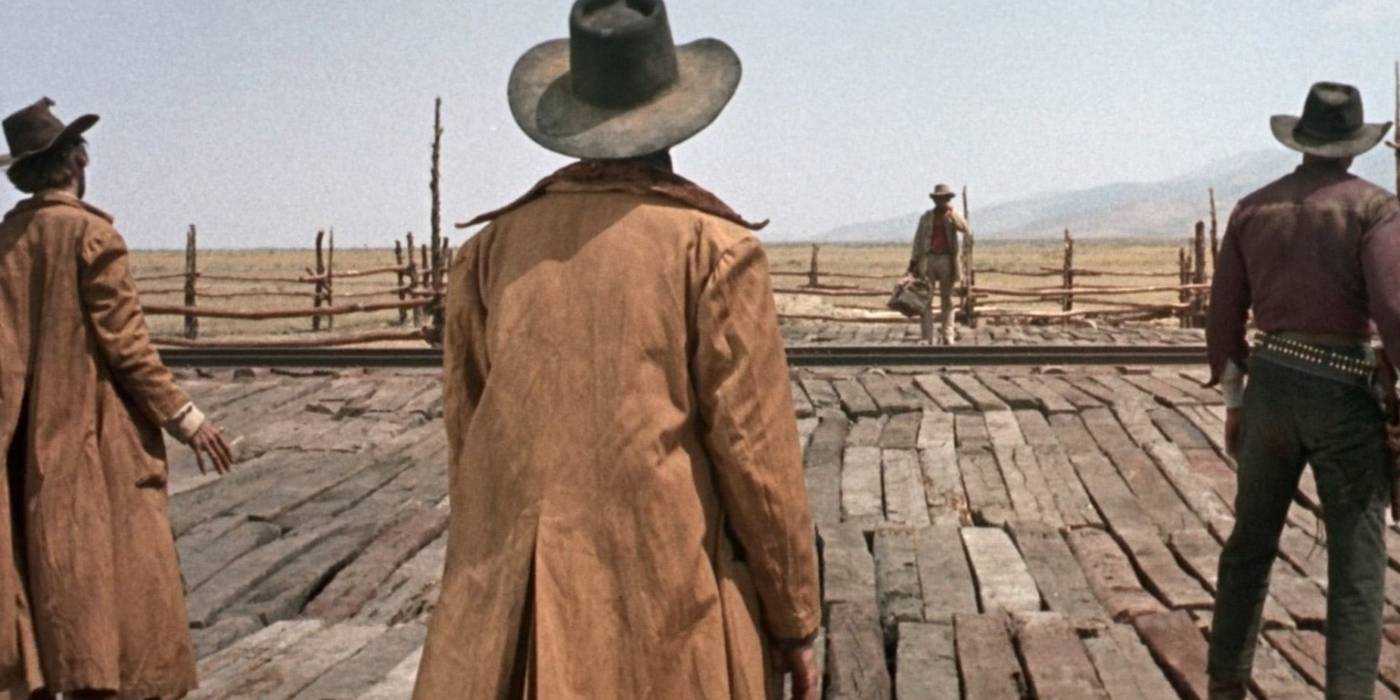
The opening scene of Once Upon a Time in the West is widely considered one of the best in the genre’s history. It begins with a simple fade-in and a shot of a door, yet it conveys so much about the story, the characters, and their arcs. Sergio Leone introduces the theme of criminality through the arrival of three outlaw figures in a train station, setting up the central conflict of the film.
As the scene progresses, Charles Bronson’s Harmonica intervenes, engaging in a duel with the outlaws. The way Leone frames the shots and uses camera angles makes the gunfight feel monumental, even though it’s a one-on-three battle. This scene not only establishes Harmonica as a formidable character but also hints at the deeper motivations driving his actions.
A Visionary Painter of Landscapes
Sergio Leone’s approach to filmmaking evolved significantly with Once Upon a Time in the West. While he was already known for his stylistic choices, this film marked a shift toward painting vibrant pictures of specific landscapes. Leone used the camera like a paintbrush, framing the film around the idea of a place where things happen rather than focusing solely on the characters.
This technique became a staple of his style and is evident in later works such as Duck, You Sucker! and Once Upon a Time in America. In Once Upon a Time in the West, the landscape plays a crucial role in shaping the story and the characters’ development. The film says so much about the Wild West, and it all starts with a simplistic opening frame.