






The Evolution of Hollywood: From Silent Films to Cinematic Masterpieces
Hollywood, as we know it today, has its roots in the early 20th century. The industry began with the release of D.W. Griffith’s 17-minute silent Western titled In Old California in 1910. Over the past 115 years, the filmmaking industry has undergone multiple transitions, each contributing to the growth and transformation of Hollywood in unique ways. While modern movies have certainly impacted the industry, many of the most significant changes were driven by classic films that defined entire cinematic eras.
Classic movies, spanning from silent films to grand musicals and dramatic storytelling, have left a lasting legacy on Hollywood. One such film is Citizen Kane, which not only shaped the industry but also redefined what cinema could achieve.
The Birth of a Nation Scattered Its DNA All Over Hollywood
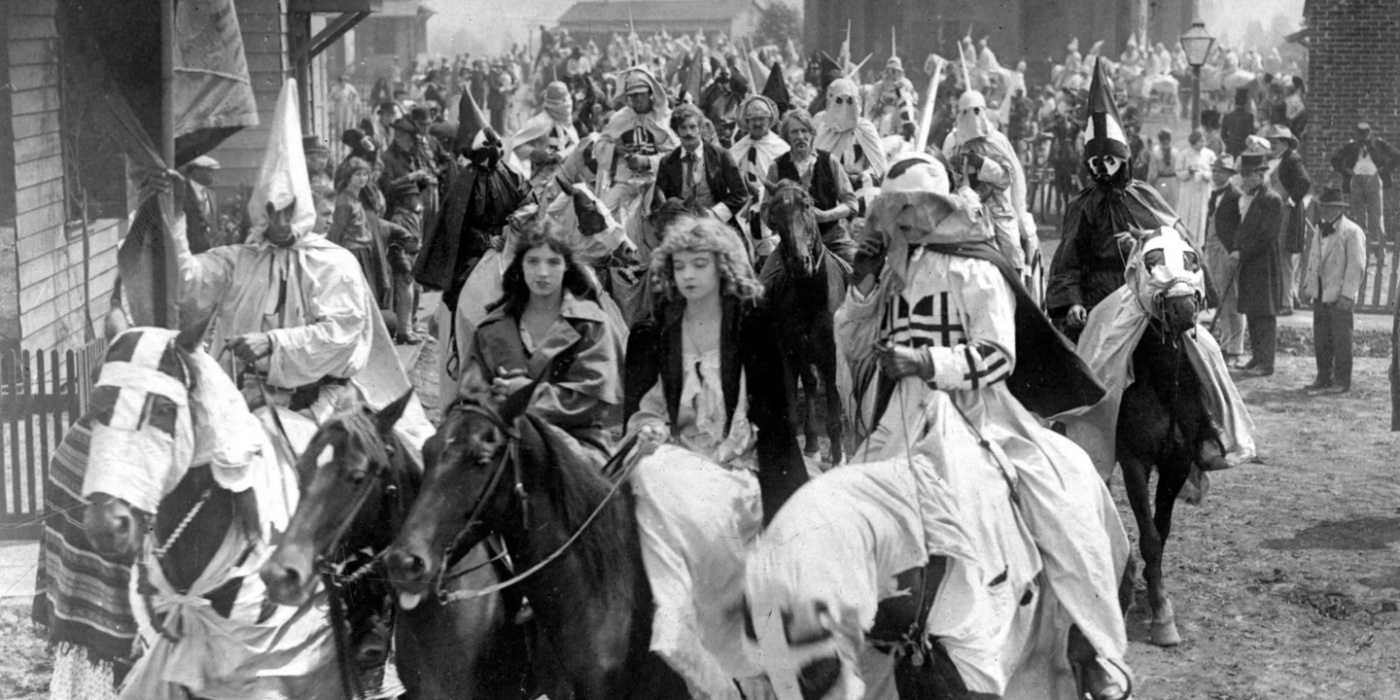
D.W. Griffith, who played a pivotal role in creating Hollywood, also directed The Birth of a Nation in 1915. This film was adapted from a play titled The Clansman: A Historical Romance of the Ku Klux Klan. The story follows Lincoln’s assassination and explores family dynamics during the Civil War and Reconstruction era. Despite its problematic portrayal of African-American history, the film marked several milestones in cinematic history.
At the time, The Birth of a Nation was one of the longest films ever made, running for over two hours and requiring an intermission. It introduced features that are now standard in modern filmmaking, including an orchestral musical score and a screening at the White House. The film also set new records and influenced global film industries. Griffith refined techniques like crosscutting, panoramic long shots, and continuity editing, all of which became foundational to modern cinema.
However, the film’s racist content and political implications were deeply controversial. It is believed that The Birth of a Nation contributed to the resurgence of the Ku Klux Klan, highlighting how cinema could be used as a political tool.
The Jazz Singer Introduced Audio to Hollywood’s Silent Era
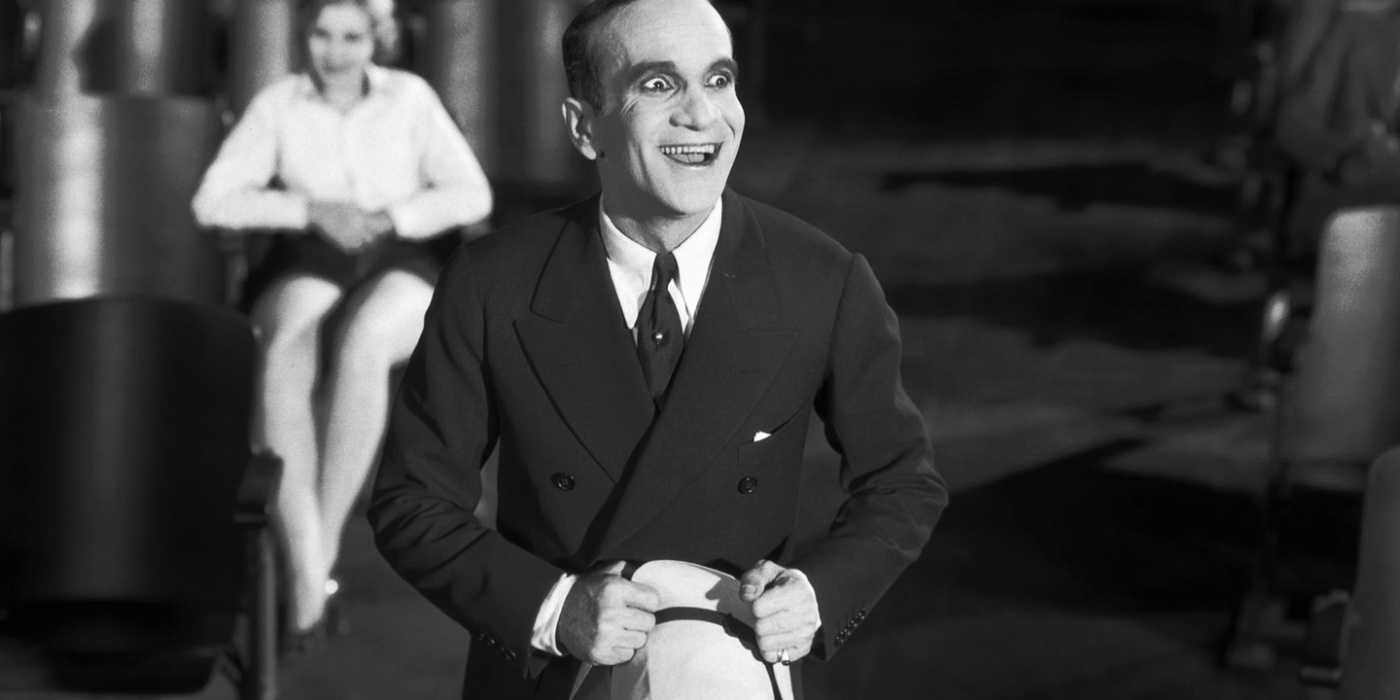
Silent films dominated the early days of cinema, but this era came to an end with the release of The Jazz Singer in 1927. This film was the first to incorporate synchronized sound, marking a major shift in the industry. Initially seen as unnecessary, the film proved that audio could enhance storytelling and viewer engagement.
While The Jazz Singer is associated with racist stereotypes, it also introduced the Vitaphone sound-on-disc system, featuring a soundtrack of six songs. Although the film had limited instances of synchronized dialogue, it maintained the use of intertitles to ensure audience comprehension. This innovation permanently changed Hollywood’s approach to filmmaking.
The film has been remade multiple times, with the most recent version released in 1980. It also inspired tributes, including Disney and Warner Bros. cartoons, and even influenced the 1952 classic Singin’ in the Rain, which celebrated the transition to sound.
Gone With the Wind Emphasized the Power of Technicolor and Melodrama
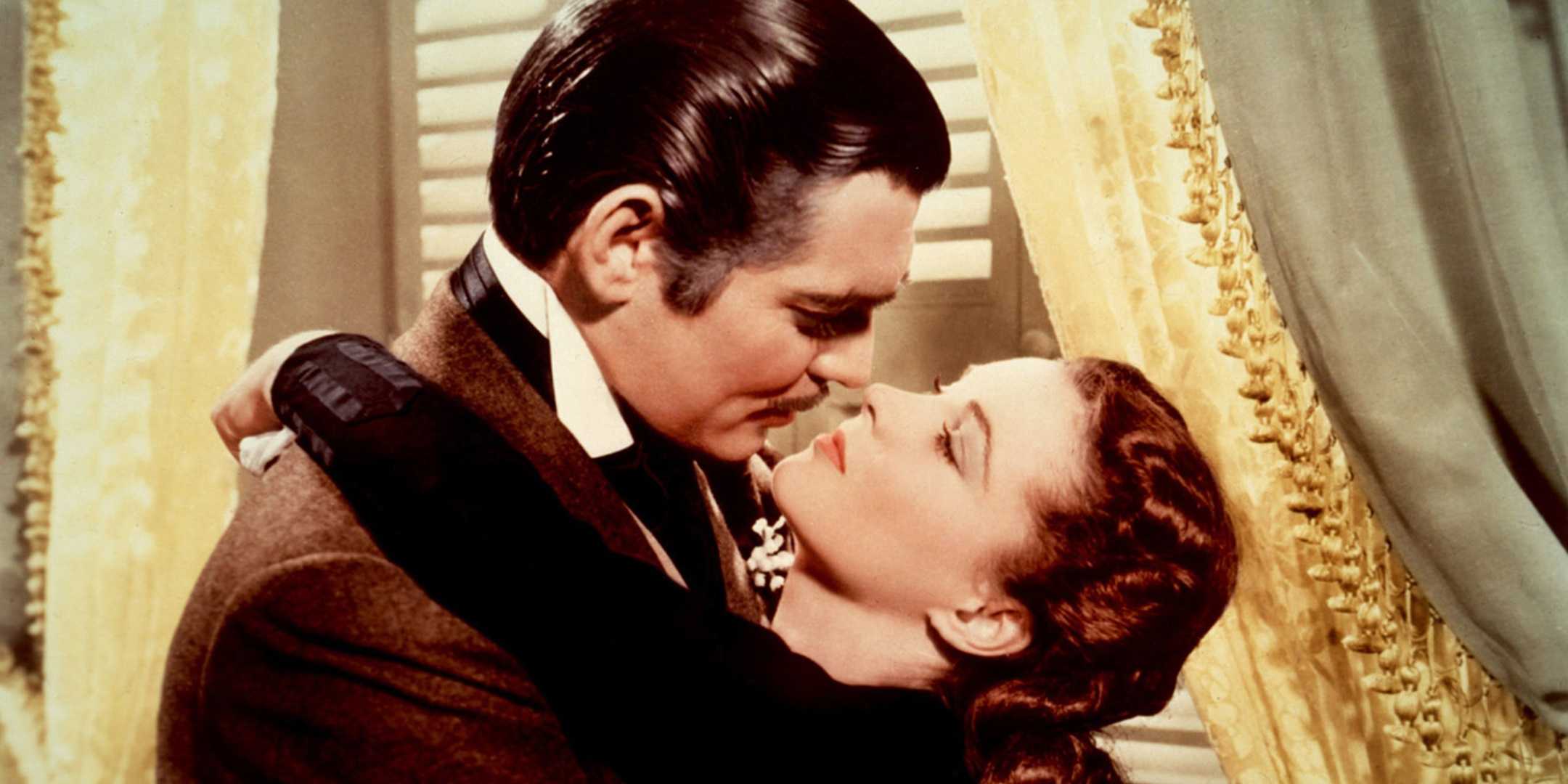
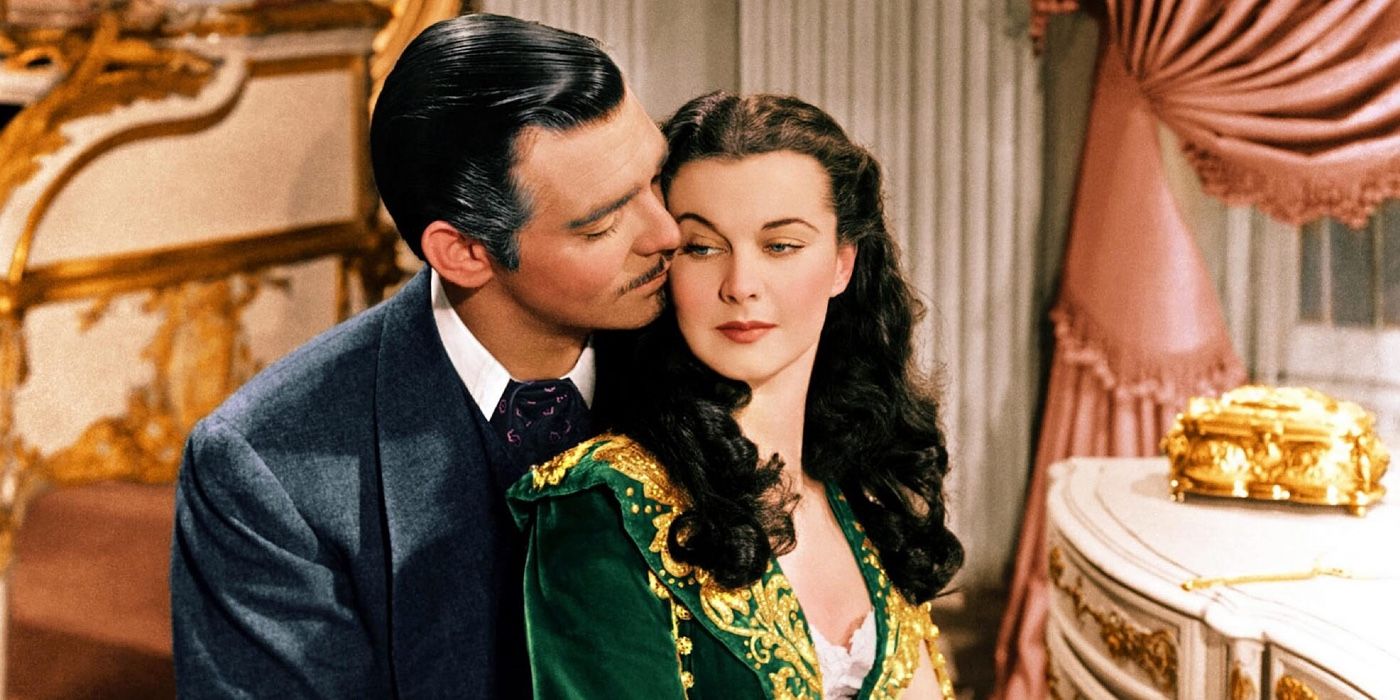
Gone With the Wind, the ultimate mega-production of Golden Age Hollywood, transformed cinema on narrative, technical, and cultural levels. Adapted from Margaret Mitchell’s novel, the film followed the tumultuous relationship between Vivien Leigh’s Scarlett O’Hara and Clark Gable’s Rhett Butler. It showcased the power of melodrama and set new standards for epic storytelling.
Adjusted for inflation, Gone With the Wind still holds the record for the highest-grossing film ever made, with nearly $4.5 billion in revenue. It won ten Oscars, including the first Academy Award for an African-American actor, Hattie McDaniel. However, the film was also plagued by issues related to Jim Crow-era segregation.
Technicolor, which had been used in earlier films like The Wizard of Oz, was elevated to a new level in Gone With the Wind. The film demonstrated how color could enhance emotional storytelling, from lush green plantations to burning orange sunsets. It also established the template for historical spectacles, influencing later films like The Ten Commandments and Ben-Hur.
Citizen Kane Proved That Cinema Was an Art Form
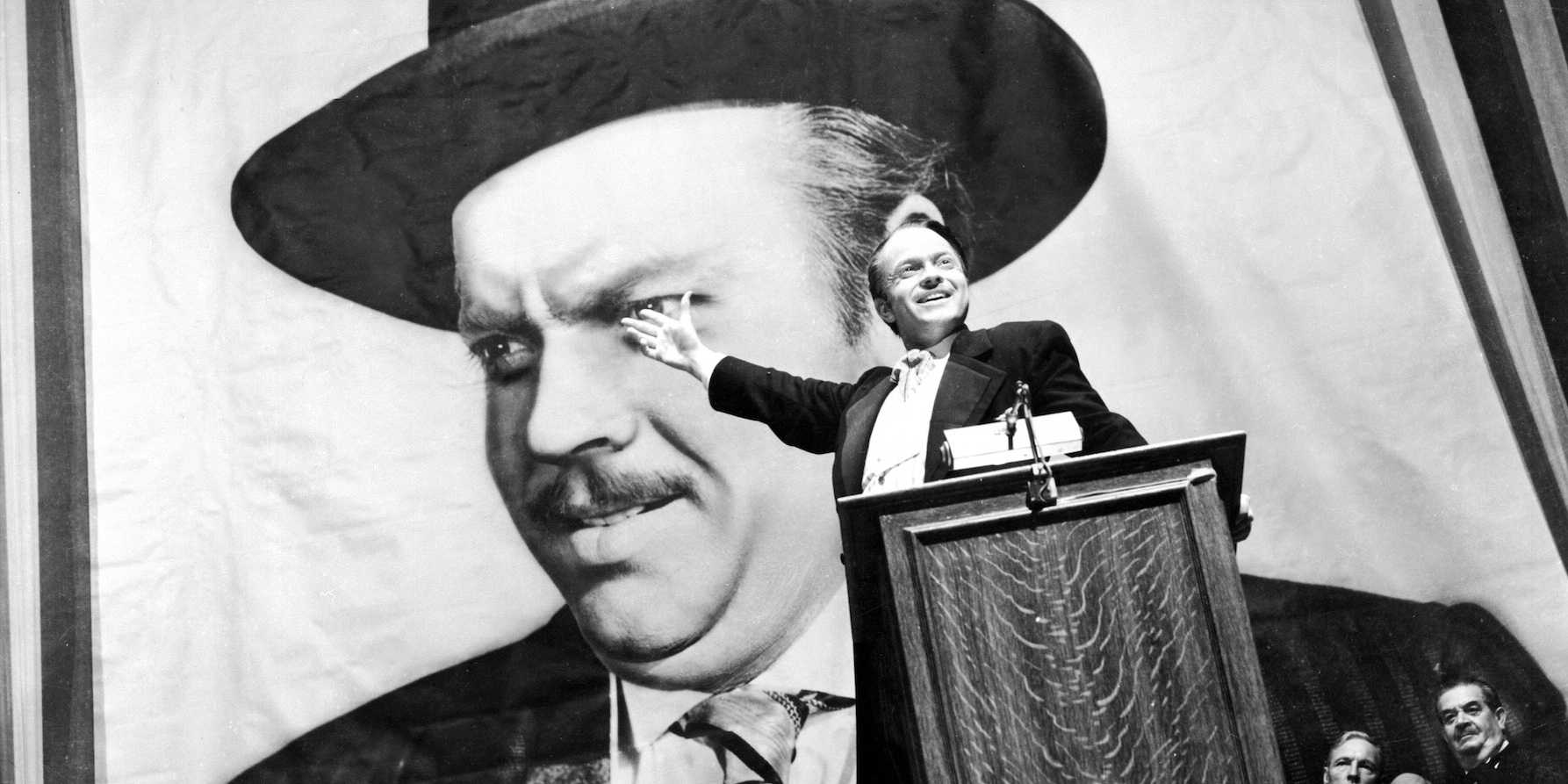
Orson Welles’ debut feature, Citizen Kane (1942), was a groundbreaking film that proved cinema could be an art form. Despite its initial commercial failure, the film gained critical acclaim over time and is often cited as one of the greatest movies of all time. It received nine Oscar nominations but only won one for Best Original Screenplay.
Citizen Kane introduced innovative cinematographic techniques, including deep-focus photography, unreliable narrators, and complex sound design. Critics like Roger Ebert praised the film for encapsulating the lessons of the emerging era of sound, much like The Birth of a Nation did for the silent era.
Welles’ work reshaped Hollywood’s visual grammar and cemented cinema as a serious art form, comparable to classical symphonies.
Some Like It Hot Subverted Hollywood’s Restrictive Rules
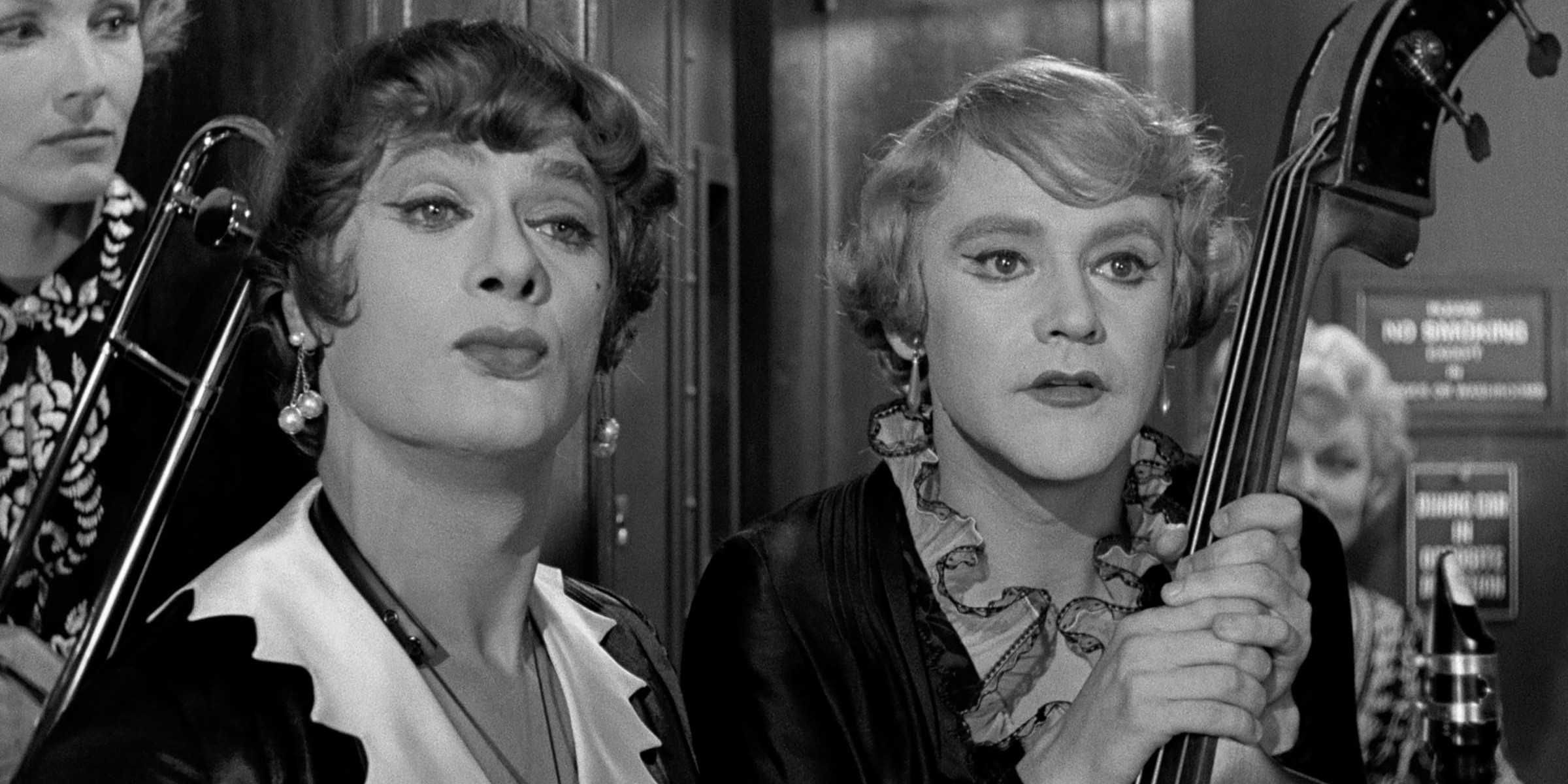
Hollywood faced numerous attempts at censorship, with the Hays Code being one of the most restrictive. Enforced from 1934 to 1968, this code reflected societal prejudices, particularly against queerness. However, 1959’s Some Like It Hot defied these restrictions with its bold humor and subversive themes.
Starring Jack Lemmon, Tony Curtis, and Marilyn Monroe, the film featured characters in drag who formed relationships with men, challenging the norms of the time. The comedy elements, including slapstick and camp, kept the film relevant for decades.
Despite the social climate of the 1950s, Some Like It Hot was embraced by audiences, showcasing a growing openness to gender and sexuality. It marked a turning point in Hollywood, signaling a shift toward more progressive storytelling.