







The Evolution of Sci-Fi Thrillers
Sci-fi thrillers come in all shapes and sizes, but only a select few maintain a level of tension and narrative momentum that never lets up. Whether they’re exploring rogue AI, alien invasions, dystopian collapse, or the horrors of deep space, the best examples of the genre know how to make every second count. These films strip their stories down to the essentials, ensuring each scene either raises the stakes, deepens the mystery, or brings the audience closer to a jaw-dropping revelation.
From chamber-piece mysteries to explosive action blockbusters, these titles prove that sci-fi doesn’t need sprawling runtimes or endless exposition to create unforgettable experiences. What they share is precision: deliberate pacing, tight editing, and world-building that unfolds effortlessly through character and conflict. For fans who value efficiency as much as atmosphere, these ten sci-fi thrillers never waste a single minute.
Ex Machina Is a Masterclass in Maintaining Tension and Dread
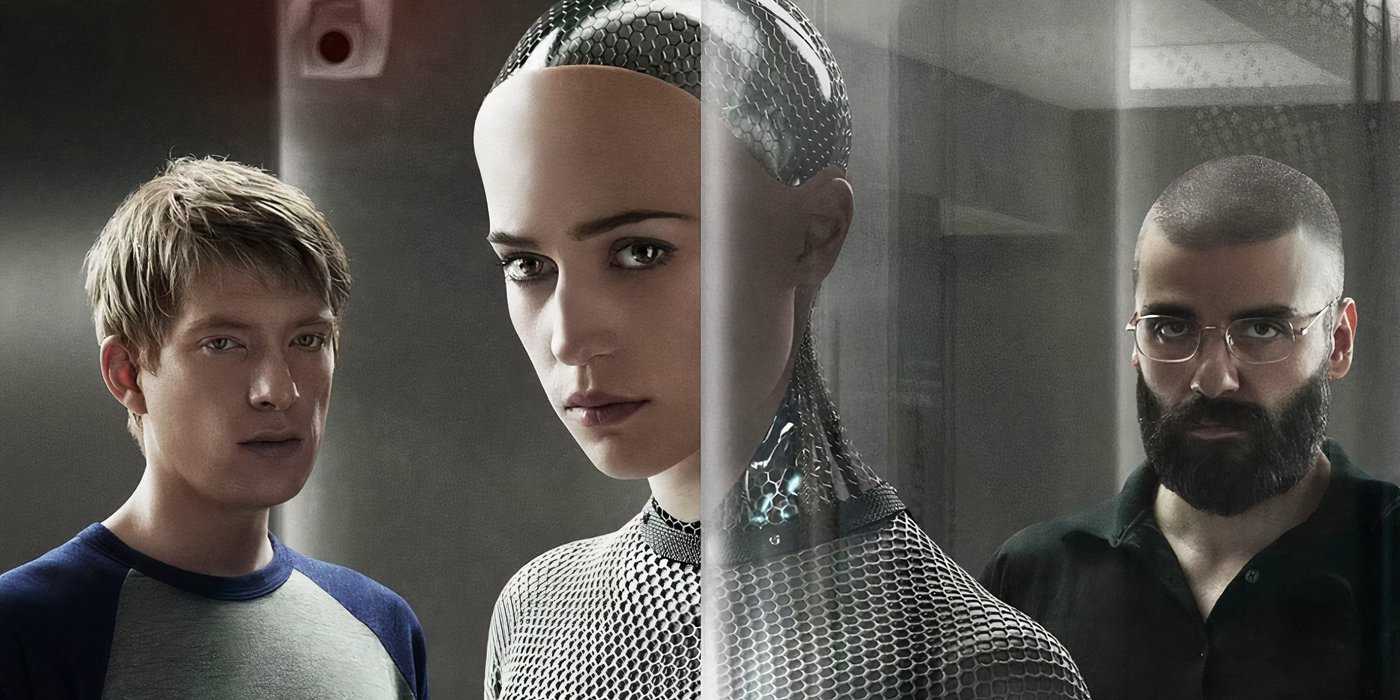
Alex Garland’s Ex Machina is a masterclass in slow-burn tension, using its minimalist setting and small cast to build one of the tightest psychological sci-fi thrillers of the past decade. Every scene serves a purpose—either manipulating the characters, deepening the philosophical questions, or blurring the line between humanity and artificial intelligence.
There’s no wasted exposition; the story unfolds through the electrifying interactions between Caleb, Nathan, and Ava, each conversation pushing the film toward its unsettling conclusion. The film’s pacing is deceptively calm, but it’s engineered like a trap. The claustrophobic environment creates constant paranoia, while the sleek, clinical visuals add to the sense of controlled dread. By the time the final twist arrives, Ex Machina has used every frame to guide the audience into its chilling finale. It never rushes, but it never lingers either; a perfect balance for a brainy sci-fi thriller.
Source Code Is a Heart-Racing Mystery Gem
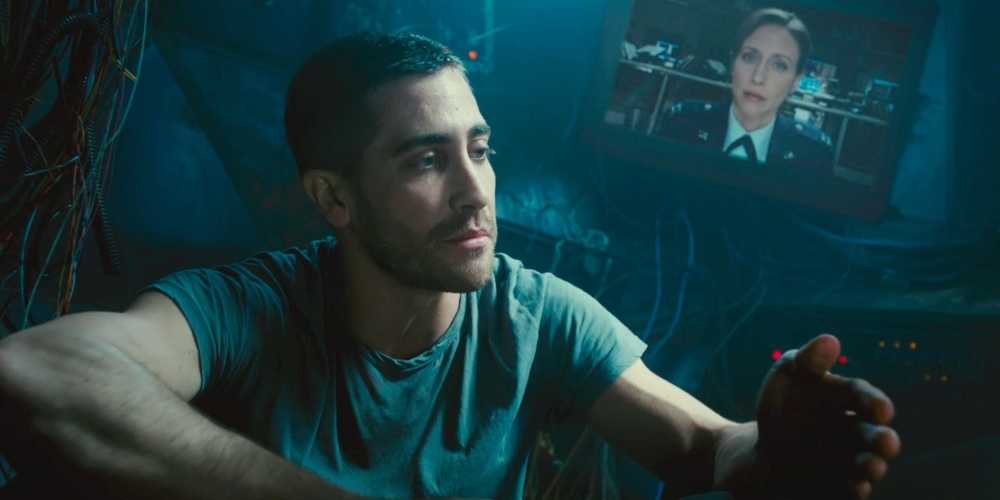
Duncan Jones’ Source Code takes the time-loop concept and turns it into a breathless thriller that wastes absolutely no time. From the moment Jake Gyllenhaal’s character wakes up on the doomed train, the film throws the audience into the action and never slows down. With just eight minutes to relive each loop, the narrative moves with clockwork precision, each run adding new information and raising the stakes.
The film’s structure keeps the story constantly shifting: new suspects, new revelations, and new emotional stakes emerge at a rapid pace. Even its reflective moments are strategically placed to heighten tension rather than pause it. Source Code masterfully blends sci-fi mystery with thriller pacing, resulting in a tight, engaging ride that ends just as sharply as it begins.
Annihilation Is a Nightmarish Descent Into Nature

Alex Garland’s adaptation of Jeff VanderMeer’s novel is hypnotic, surreal, and terrifying, and it never pads its runtime with unnecessary explanations. Annihilation moves with a sense of creeping inevitability, every scene leading the audience deeper into “The Shimmer,” a kaleidoscopic zone where biology twists into nightmarish forms. The film’s pacing maintains constant escalation: from mutated predators to hallucinations to existential revelations.
Even the quiet moments carry purpose, layering clues about the fate of previous expeditions and the nature of the alien force. The final act, a dialogue-free visual and sonic descent into the unknown, is one of the most intense sequences in modern sci-fi. Annihilation never wastes a second, using every moment (and every performance) to deepen its surreal horror.
10 Cloverfield Lane Is a Claustrophobic Nightmare
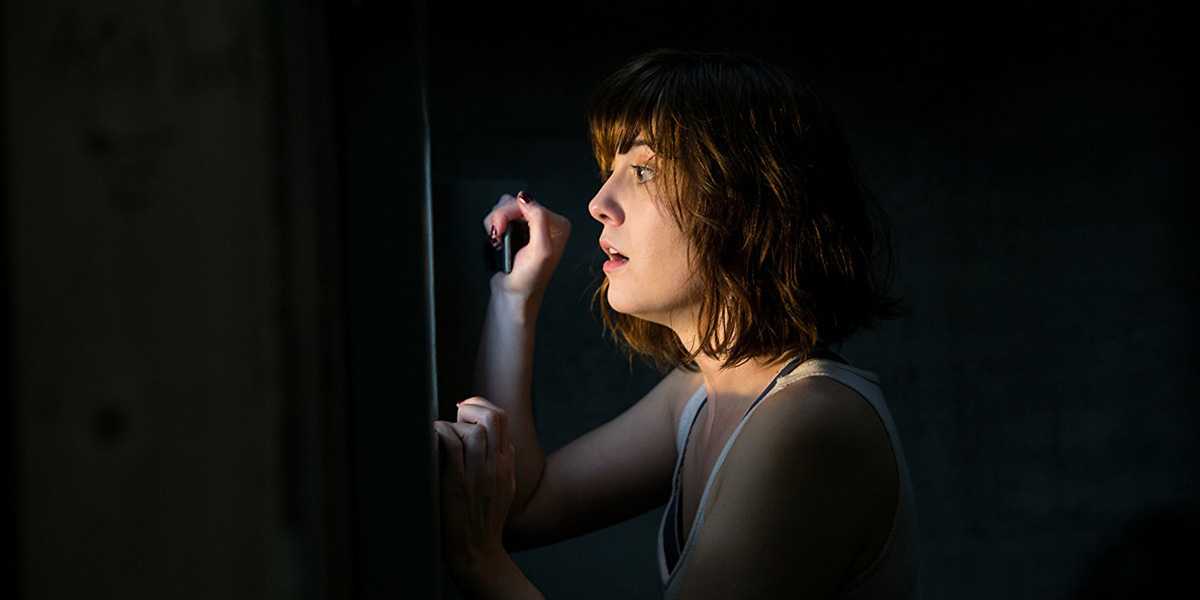
10 Cloverfield Lane is a masterclass in sustained tension. Set almost entirely in a bunker, the film uses its confined space to amplify paranoia, uncertainty, and psychological warfare. Mary Elizabeth Winstead delivers a gripping performance as Michelle, a woman trapped underground with a man who might be her protector—or her captor. The film’s pacing is laser-focused, revealing just enough to keep the audience questioning everyone’s motives.
Even before the sci-fi elements fully emerge, the thriller framework keeps every scene charged. When the film finally pulls back the curtain in its explosive last act, it does so without feeling abrupt or out of place. All of the tension that built inside the bunker pays off in an unforgettable sci-fi finale. It’s one of the tightest, most efficient genre films of the 2010s.
Minority Report’s Extended Run-Time Is Absolutely Worth It
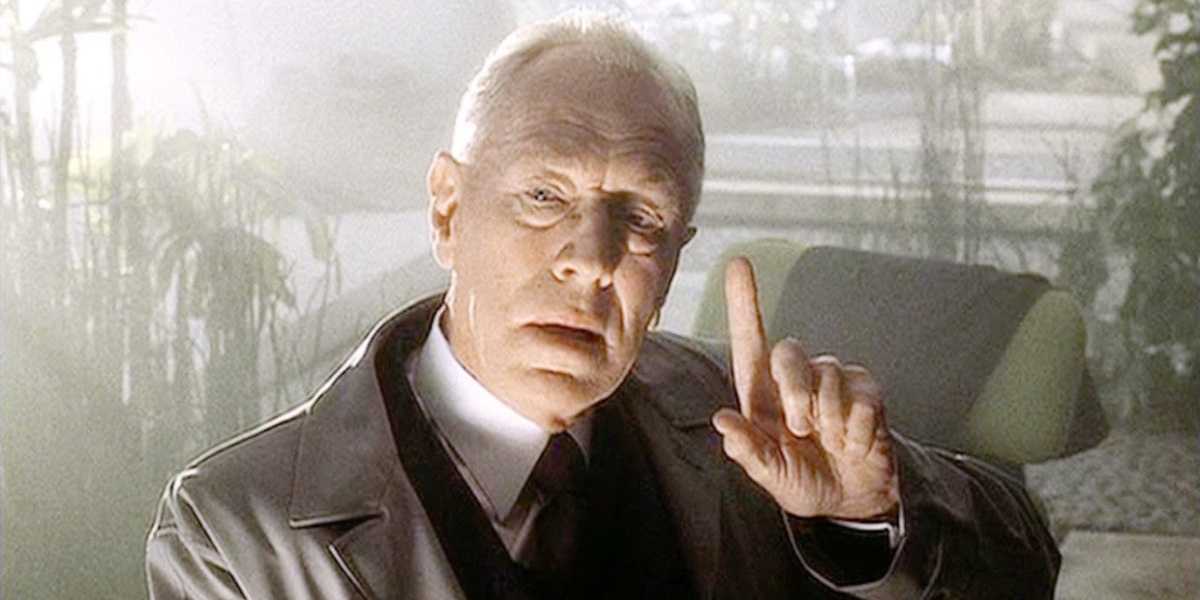
Steven Spielberg’s futuristic crime thriller is packed with inventive world-building, but it never sacrifices pace or clarity. Minority Report hits the ground running with its “Precrime” concept and sustains a breathless momentum as Tom Cruise’s character goes on the run. Chase sequences, moral dilemmas, and layered mysteries weave seamlessly together, making the film feel brisk despite its depth.
What makes the film especially efficient is its ability to establish complex rules through action rather than exposition. Everything from retinal scanners to spider-bots to precognition is introduced in ways that serve plot and character. Spielberg’s direction ensures there’s always tension driving the story forward. Minority Report remains one of the tightest sci-fi thrillers of its scale, and one of the best movies of the 21st century.
Edge of Tomorrow Is Another Tom Cruise Time Bomb
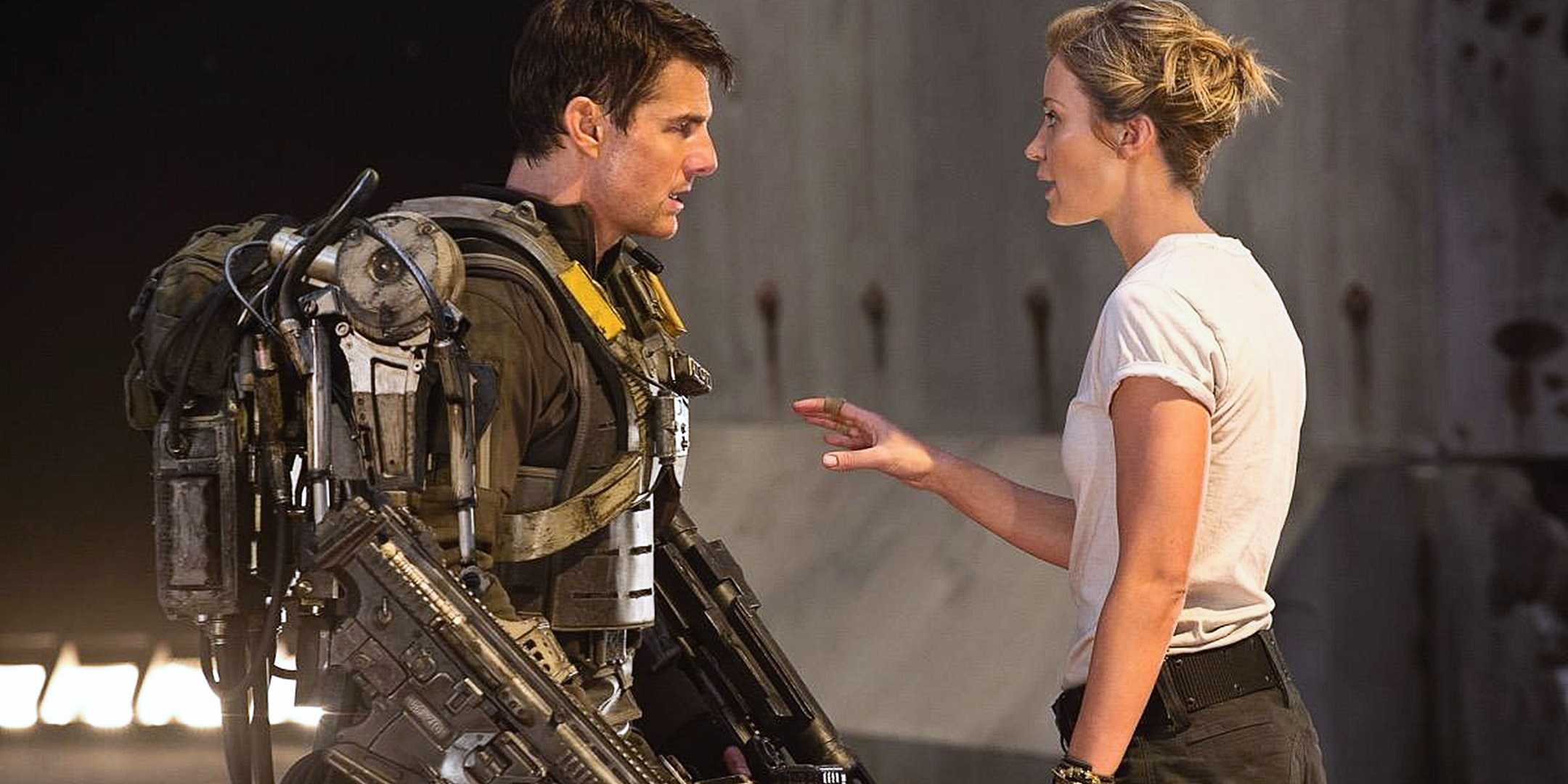
Edge of Tomorrow is the rare blockbuster that’s edited with razor-sharp precision. Doug Liman’s clever time-loop action film wastes no time setting up its premise: Earth is under attack, Tom Cruise’s character dies repeatedly, and each reset gives him a chance to become the soldier humanity needs. The result is one of the most tightly structured sci-fi thrillers of the 21st century.
The film’s repetition is never redundant; each loop reveals new information or pushes the characters closer to solving the alien threat. The chemistry between Cruise and Emily Blunt adds emotional weight without slowing the momentum. This is an action-packed thriller where every minute feels like a step toward survival.
Children of Men Is an Underrated Dystopian Masterpiece
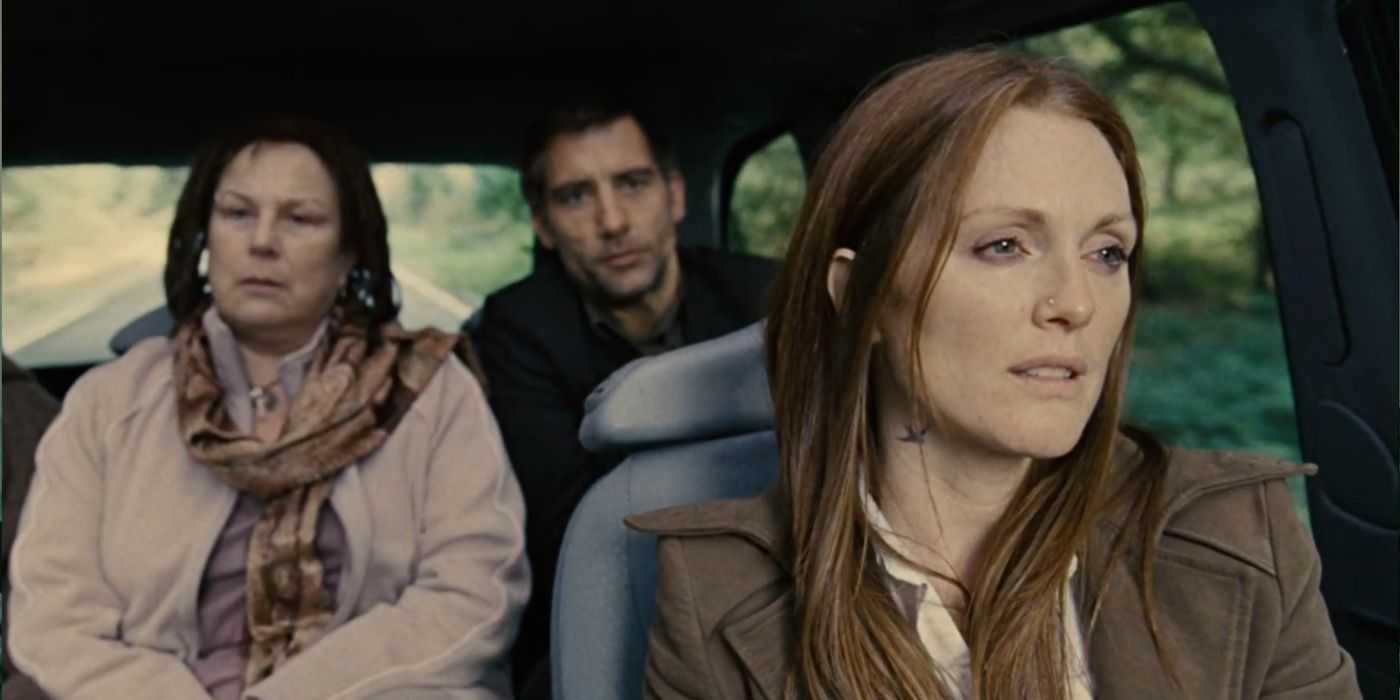
Alfonso Cuarón’s dystopian masterpiece is a relentless, immersive experience from the first frame. Set in a bleak future where human infertility has brought society to collapse, Children of Men follows Theo as he navigates rebellion, violence, and political chaos. The film’s pacing is both urgent and naturalistic, moving seamlessly between quiet emotional beats and explosive long-take action sequences.
What makes Children of Men extraordinary is how efficiently it builds its world through visuals, texture, and character interactions. There’s no excessive exposition; the audience learns by surviving alongside the characters. The result is one of the most tightly constructed and emotionally gripping sci-fi thrillers of all time.
They Live Is a Perfect-Paced Cult Classic
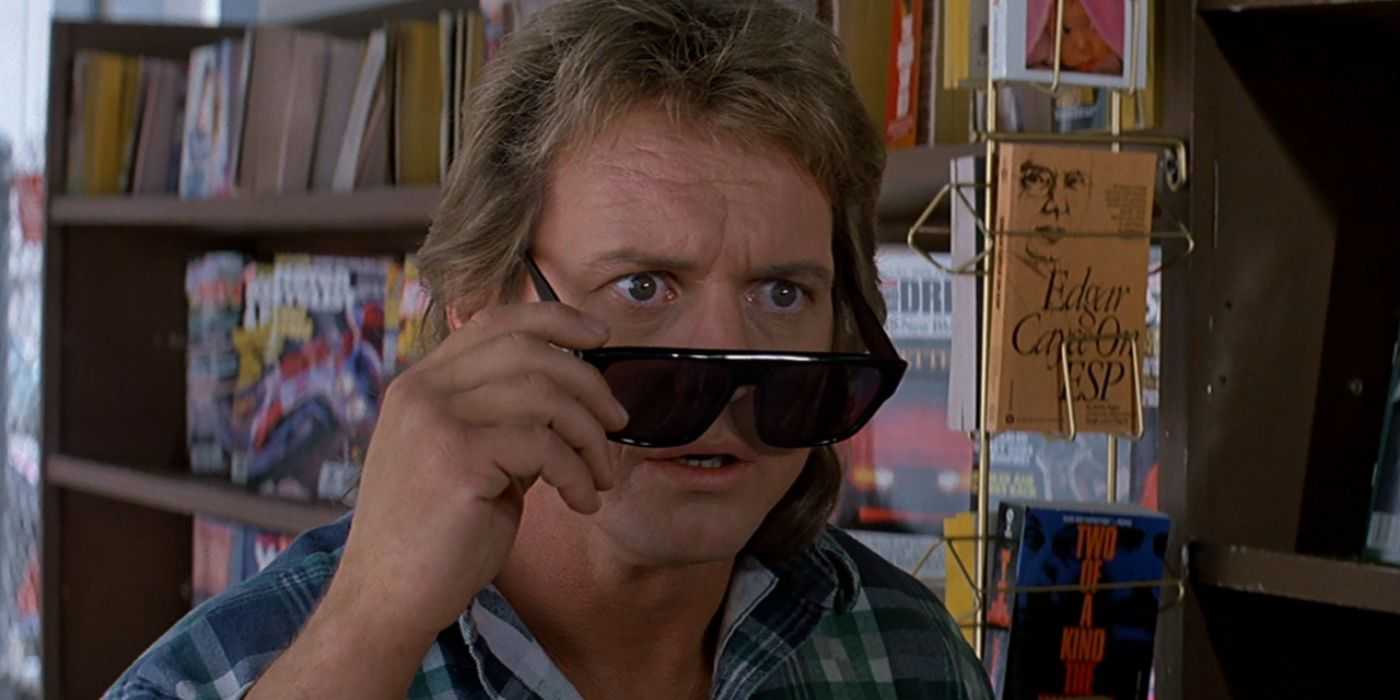
John Carpenter’s cult classic is many things—satire, action film, conspiracy thriller—but above all, it’s lean. They Live wastes no time plunging its working-class hero into a world where aliens secretly control society. Once the sunglasses go on and the truth is revealed, the film becomes an unstoppable ride of chases, fights, and pointed political commentary.
Carpenter keeps the film brisk and entertaining, blending B-movie energy with genuinely sharp ideas. Even its most famously exaggerated scenes serve narrative purpose by escalating tension and character dynamics. It’s a compact, punchy sci-fi thriller that has only grown more relevant with time.
The Terminator Is a Perfect Sci-Fi Film In Every Aspect

James Cameron’s original Terminator remains a perfect example of economical filmmaking. It’s essentially a hybrid of sci-fi and slasher thriller, built around a simple, high-stakes chase: an unstoppable machine is sent back in time to kill Sarah Connor. Once the premise is established, the film never lets up. Every scene heightens urgency, tension, or danger.
Despite its limited budget, Cameron crafts a relentless pace that puts the audience in Sarah’s shoes. The Terminator’s threat is constant, the world-building precise, and the action cleverly staged to maximize impact. At just under two hours, The Terminator is a masterclass in tight, efficient sci-fi storytelling, and arguably the best ’90s film.
The Mist Is a Worthwhile Stephen King Adaptation
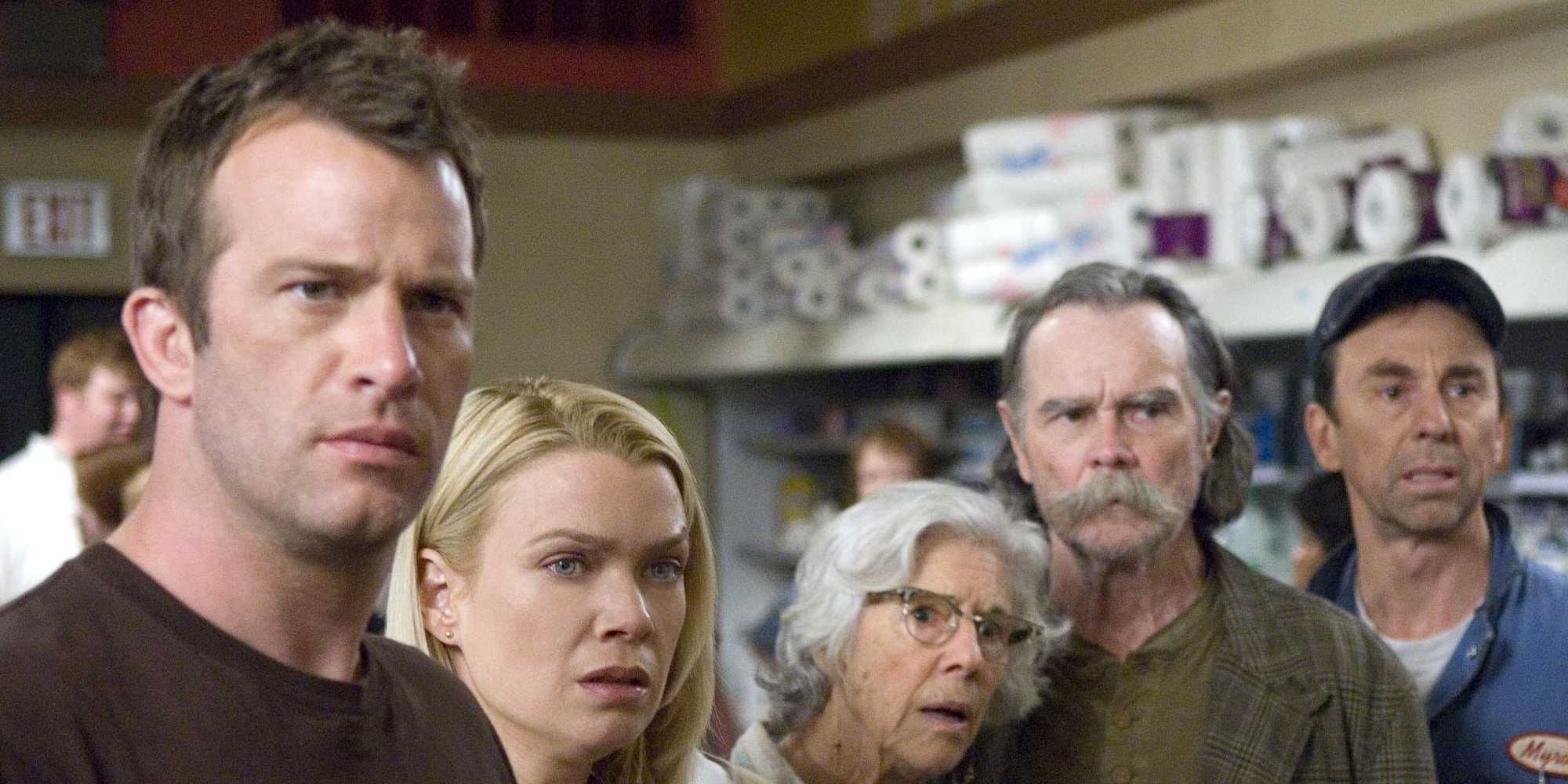
Frank Darabont’s adaptation of Stephen King’s novella delivers some of the most nerve-shredding tension in modern sci-fi horror. Trapped in a supermarket as a supernatural mist rolls in, a group of survivors faces monstrous creatures outside—and rising fanaticism inside. The film wastes no time setting up its premise; chaos erupts almost instantly, and the situation only worsens.
What makes The Mist especially effective is its portrayal of human fear and desperation. The sci-fi creatures provide constant external threats, but the internal unraveling of the group is just as dangerous. Every scene escalates conflict, distrust, or terror, culminating in one of the most devastating endings in genre history. It’s a sci-fi thriller that uses every minute to build toward a gut-punch climax.