






The Evolution of the Western Genre in Modern Cinema
The Western genre has played a pivotal role in shaping cinema, offering some of the most iconic and influential films ever made. From classics like Shane and The Gunfighter to The Searchers and The Good, the Bad and the Ugly, these stories have left an indelible mark on film history. Over time, the themes of the Old West have been reimagined and adapted into various genres, including action, thriller, and even science fiction. One of the most notable examples of this evolution came in 2011 with Ryan Gosling’s performance in a film that paid tribute to one of the greatest gunslinger tales ever told.
How Shane Changed the Face of Westerns
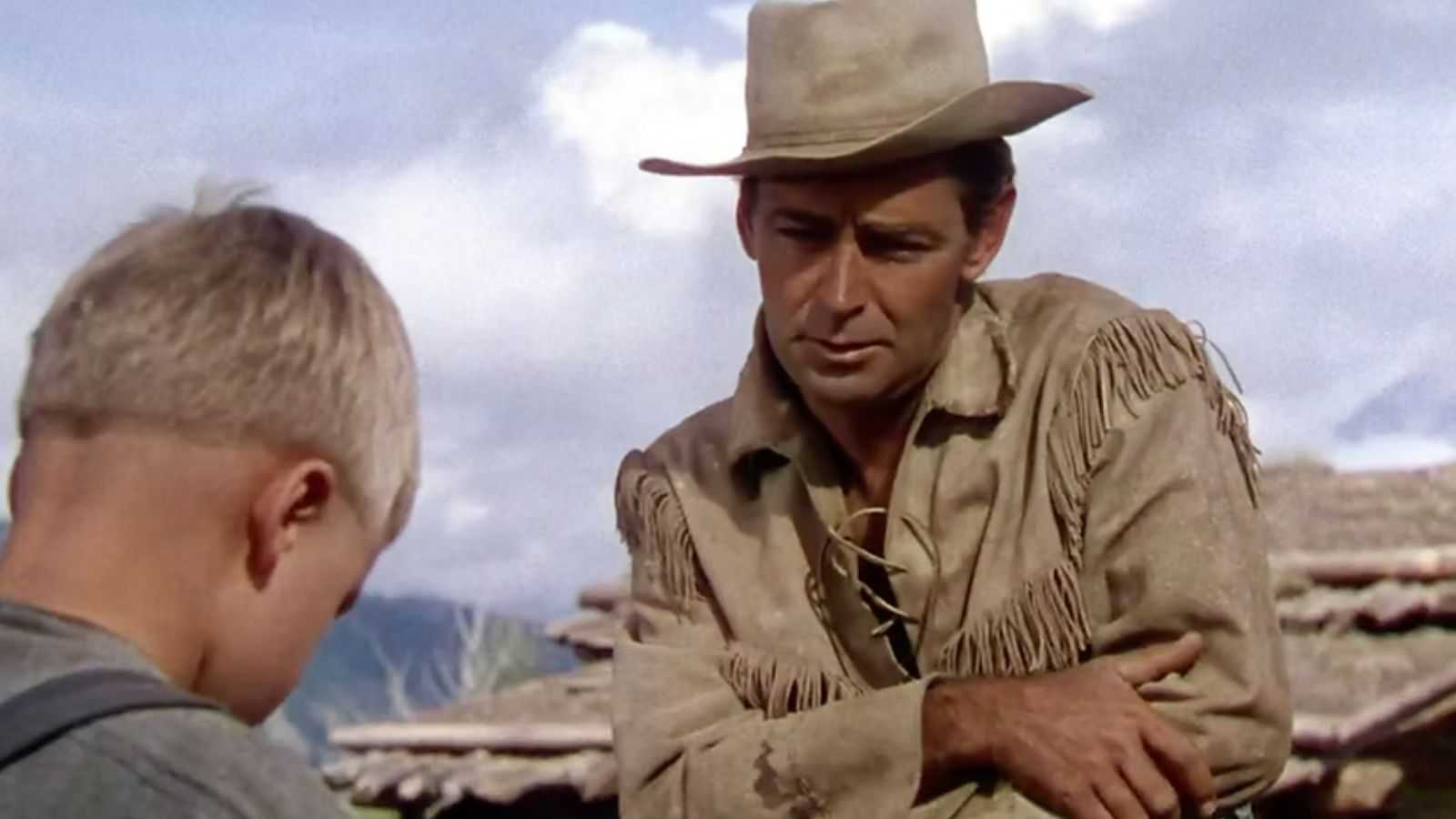
Shane follows the arrival of a mysterious drifter in a peaceful Wyoming valley. There, he meets the Starretts, a family of homesteaders who are locked in a conflict with a local cattle baron named Rufus Ryker. Ryker aims to drive the settlers off their land so he can use the valley for free grazing. As the tension escalates, Shane becomes a protector of the family, particularly their young son, Joey. However, as Ryker’s intimidation grows, Shane realizes that the only way to resolve the conflict is through violence.
This film introduced a new kind of Hollywood hero: the enigmatic wanderer who appears when needed, righting wrongs before disappearing into the night. These characters are often shrouded in mystery, with little known about them beyond what’s necessary for the story. They serve as symbols of the mythologized gunslingers of the Old West, embodying values like courage and honor. Even morally ambiguous figures like Blondie adhere to a code, which makes them relatable to audiences.
The Influence of Shane on Modern Action Films
These types of heroes have had a lasting impact on modern action and thriller movies. The influence of characters like Shane can be seen in films such as John Wick and in the portrayal of Wolverine in Logan. The trope of the tired gunslinger returning for one last ride has become a staple in cinema, and it all traces back to George Stevens’ adaptation of Jack Schaefer’s Shane.
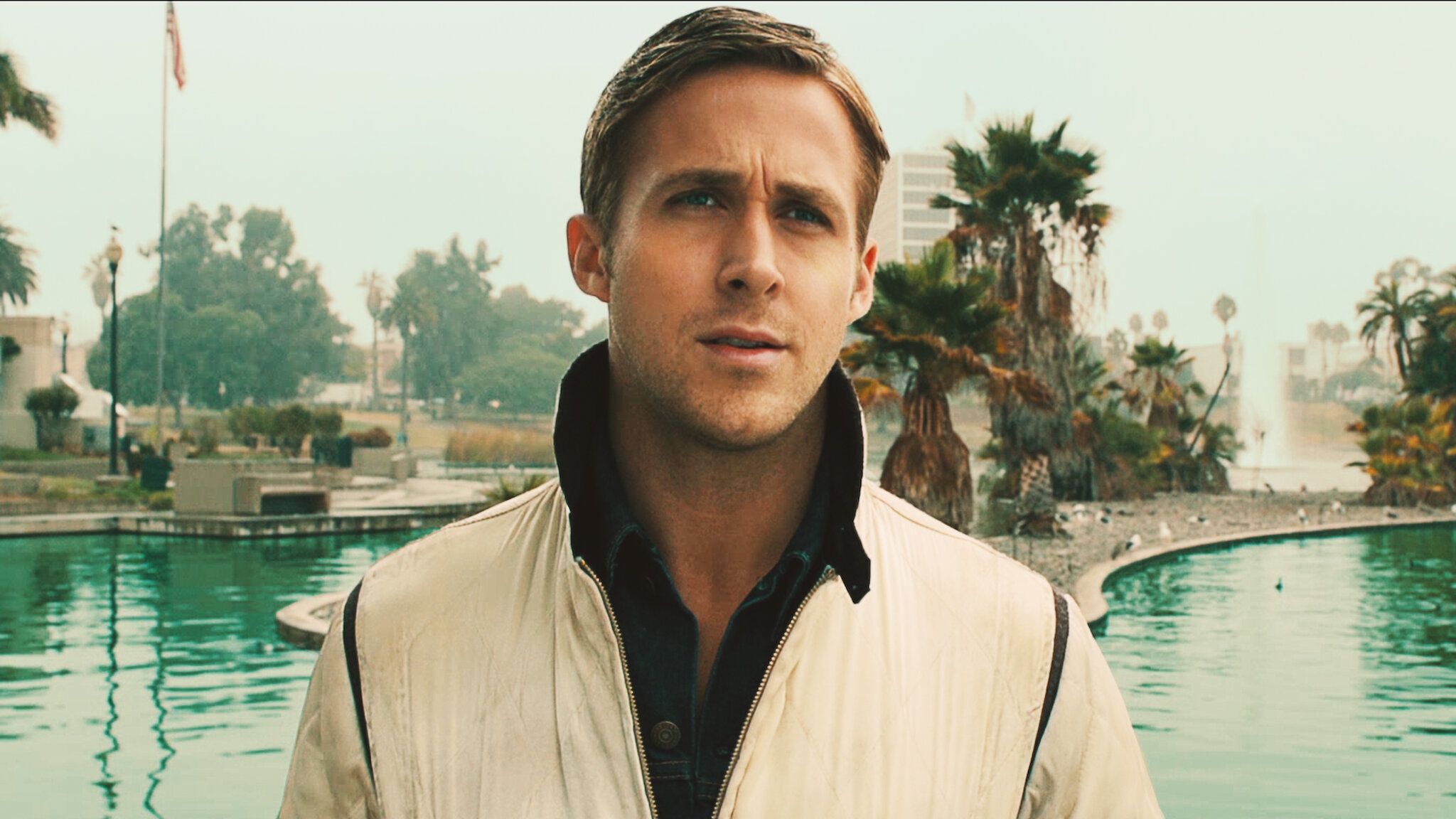
One of the most successful examples of this legacy is Drive, a 2011 film that reinterprets the story of Shane in a neo-Noir setting.
How Drive Remakes Shane into a Neo-Noir Masterpiece
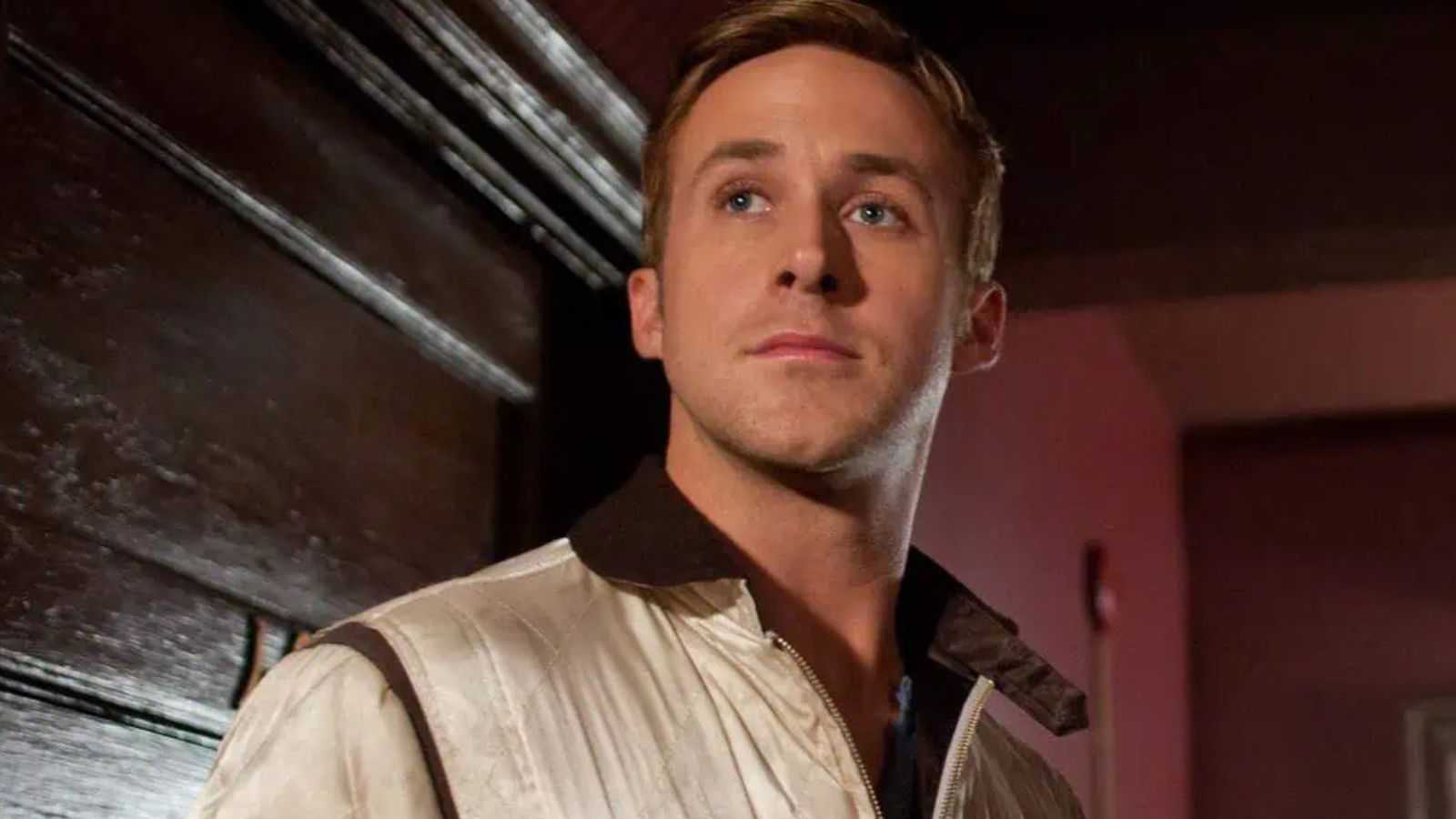
Drive centers around a quiet stunt driver who moonlights as an elite getaway driver for Los Angeles criminals. The audience learns very little about his past, and his personality remains intentionally vague. This approach allows viewers to project their own interpretations onto the character, imagining him as a career criminal, a victim of violence, or a vigilante.
Like Shane and Blondie, the Driver’s simplicity helps maintain a sense of mystery. He becomes a symbol of the mythological gunslinger, but in a modern setting. Instead of a mountainous valley, Drive features a gritty, neo-Noir version of Los Angeles, where the city itself plays a significant role in the story.
Where Shane defends the Starretts, the Driver comes to the aid of Irene, sparking a romance that mirrors the relationship between Shane and Marian Starrett. Both are quiet, doomed romances that highlight the tragic nature of these characters. Unlike Shane, however, Drive uses an 80s-inspired synth soundtrack rather than the Western scores of the past.
How Drive Earned Its Cult Status
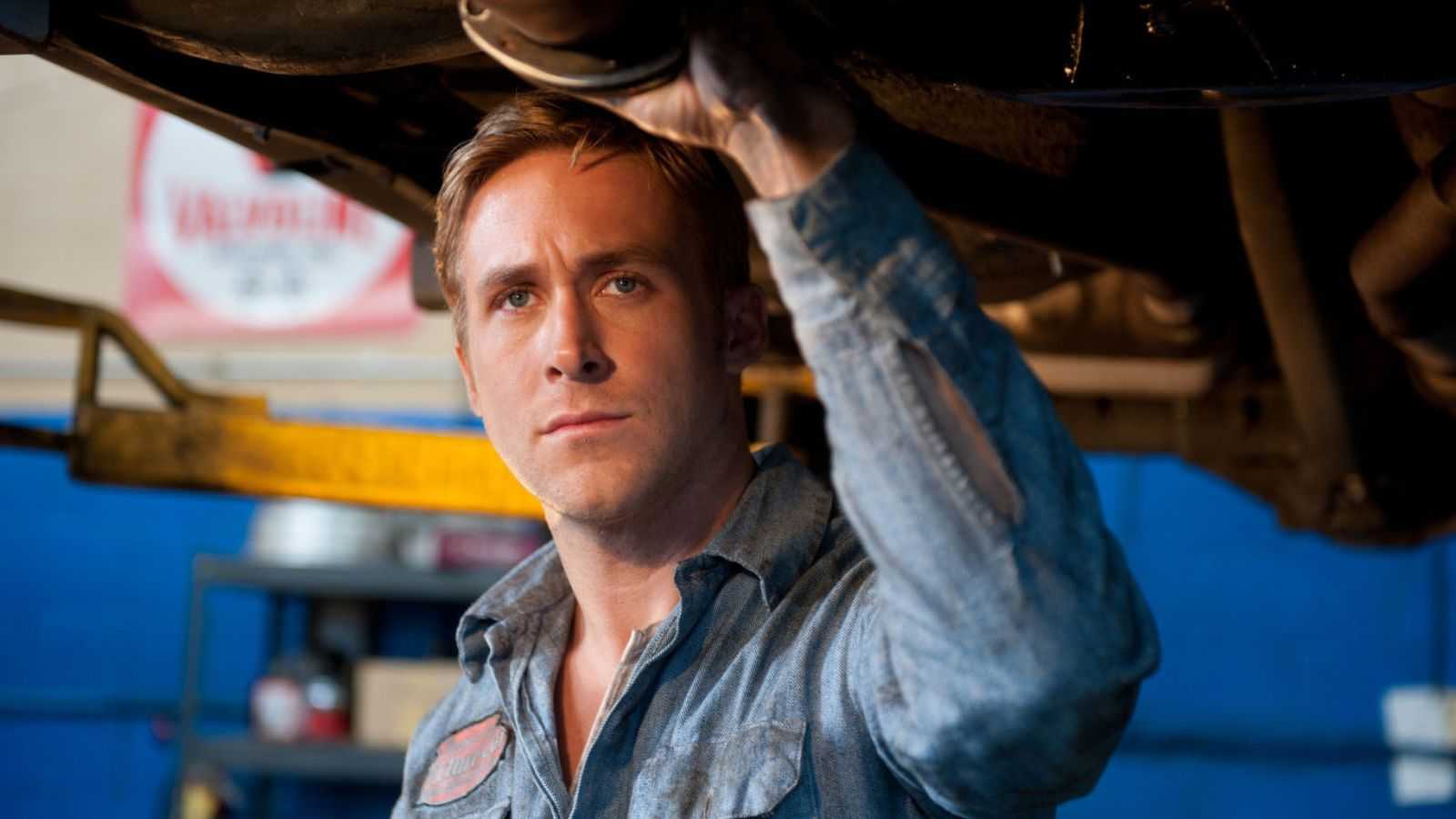
After its release, Drive was a box office success, though it didn’t achieve mainstream popularity like later films such as John Wick. The movie targeted fans of action and neo-Noir, appealing to a niche but dedicated audience. It turned the Driver into a mythological figure, much like Shane, but with a modern twist.
In Drive, every element contributes to its greatness, from the nostalgic soundtrack to the stylish visuals and fast-paced sequences. The film draws on the timeless themes of the Western genre, reimagining them for a city-based audience. One of the strongest parallels to Shane is in the final scene, where a gravely wounded Driver leaves Los Angeles, leaving the audience wondering if he will survive or find another place to fight.
The Tragic Nature of These Heroes
Characters like Shane and the Driver aren’t meant to feel entirely real. Instead, they represent the tension between a man’s nature and his good deeds. They are the right people for the right time, helping the helpless when no one else will. However, once they’ve done their part, they often find themselves without a place in the world.
For both characters, there is no “settling down.” Their lives are defined by violence, and they know that any attempt to form meaningful connections could lead to tragedy. These heroes are not stable, and they understand that their actions could influence others to repeat their mistakes.
Drive and Ryan Gosling’s Iconic Role
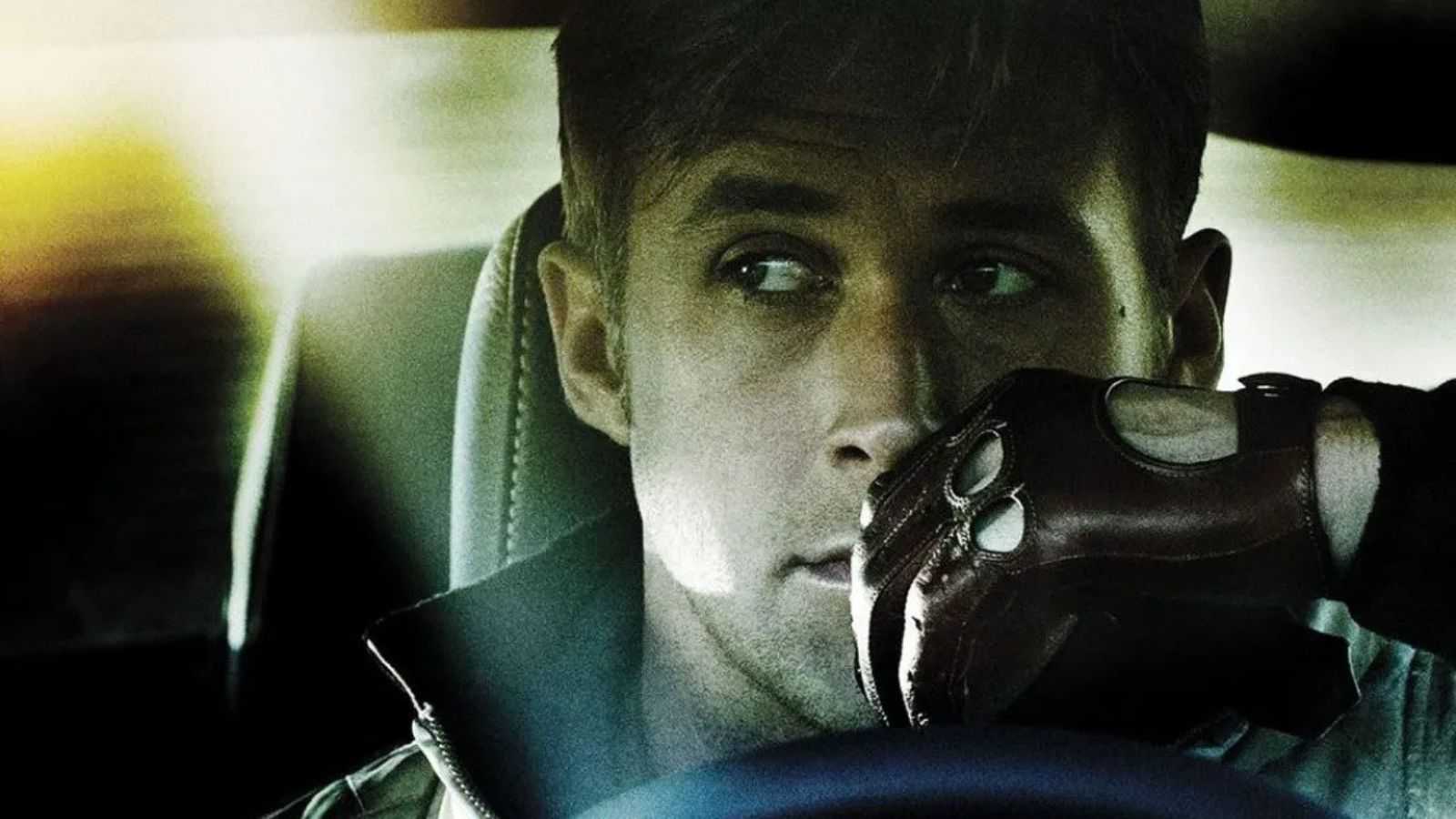
Throughout his career, Ryan Gosling has built a reputation for delivering subdued, yet powerful performances. Whether in Blade Runner 2049’s K, Barbie’s Ken, or The Fall Guy’s Colt Seavers, his characters often leave room for the audience to project their own thoughts and feelings onto them.
In Drive, Gosling embodies the perfect example of this style. His character, the Driver, is a modern-day gunslinger who reflects the timeless appeal of the Western genre. By drawing inspiration from Shane, Nicolas Winding Refn’s Drive helped solidify Gosling’s status as a neo-Noir icon and proved that the spirit of the Western lives on in modern cinema.