






Elevators in Cinema: A Unique Setting for Storytelling
Elevators, those unassuming metal boxes that transport people between floors, have become more than just functional spaces in cinema. They serve as powerful narrative tools, creating tension, intimacy, and dramatic moments that resonate with audiences. The confined nature of an elevator allows filmmakers to explore a range of emotions and situations, from horror and action to romance and comedy. Below are some iconic films where the elevator plays a central role.
The Shining (1980)
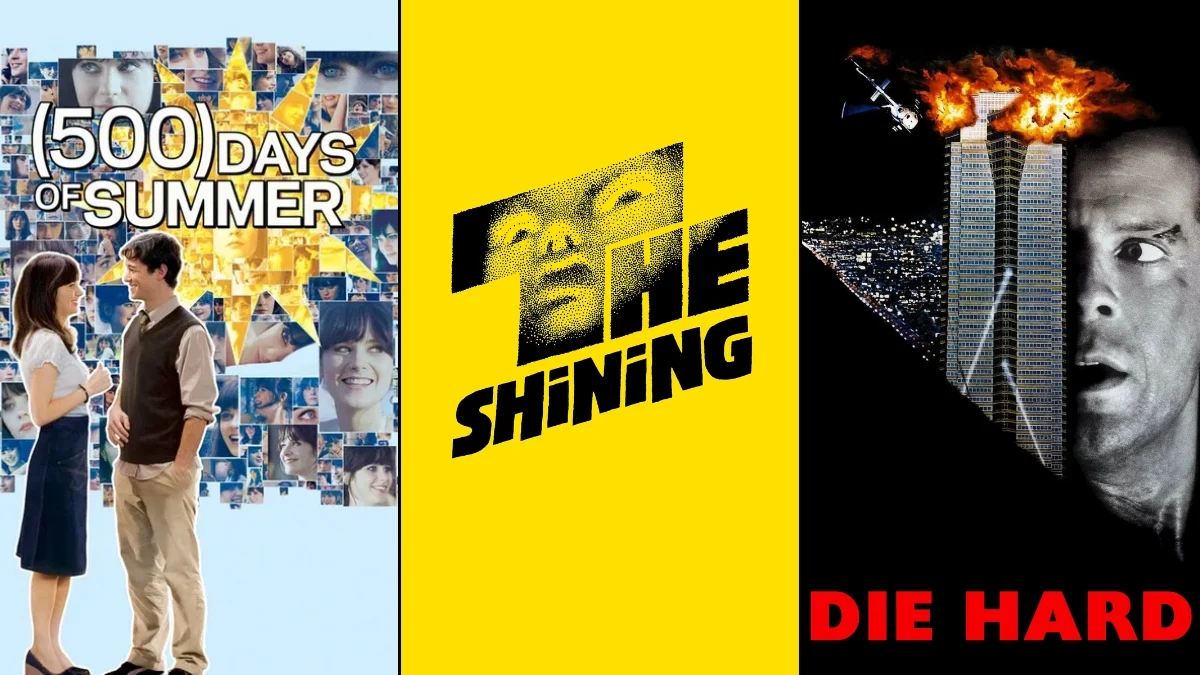
One of the most unforgettable elevator scenes in film history appears in The Shining. Wendy Torrance witnesses a terrifying vision of the Overlook Hotel elevators opening, with a torrent of blood pouring out in slow motion. This scene uses a static camera setup to emphasize the sheer volume of the red liquid. Director Stanley Kubrick reportedly spent a year planning this specific shot to get the fluid dynamics correct. It remains one of the most referenced horror images in cinema history.
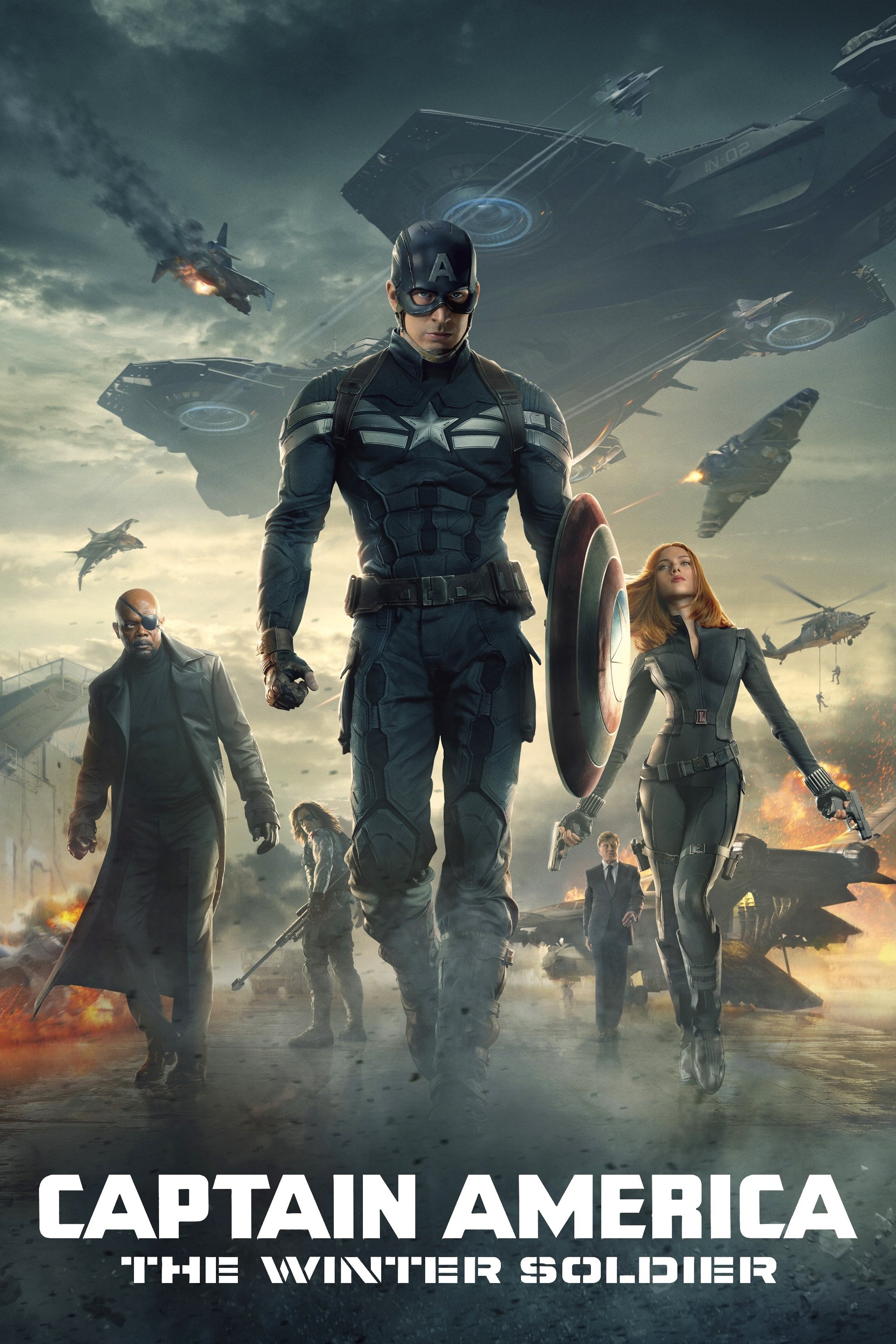
Captain America: The Winter Soldier (2014)
In Captain America: The Winter Soldier, Steve Rogers enters a glass elevator filled with SHIELD strike team members. He politely asks if anyone wants to get out before the violence begins. The enclosed space turns into a chaotic brawl as Cap dismantles the entire squad singlehandedly. This sequence highlights his tactical superiority and sheer physical strength within a confined environment. It marks a turning point where the hero realizes the organization he serves has been compromised.
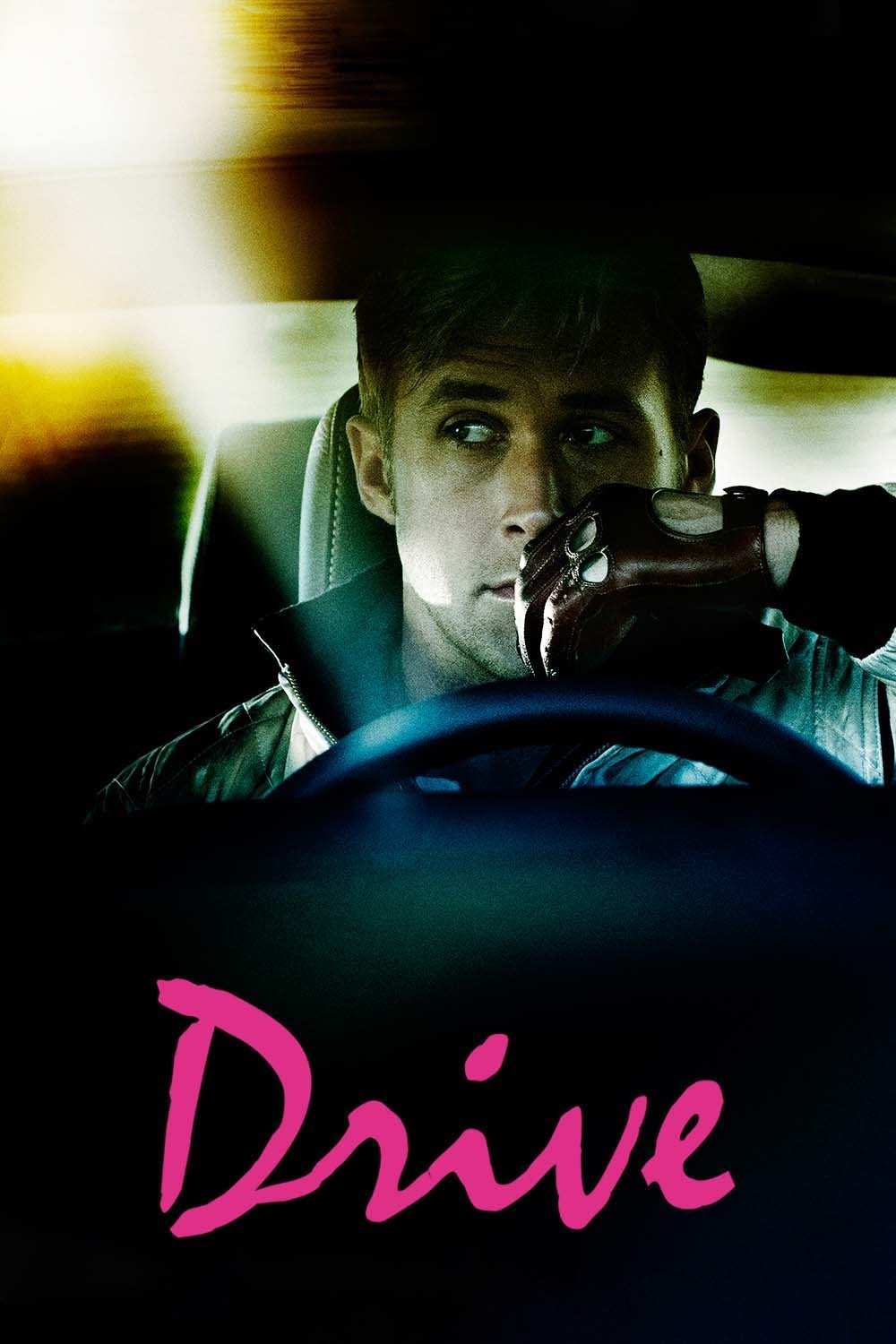
Drive (2011)
The Driver shares a quiet moment in an elevator with his neighbor Irene while a hitman stands next to them. The lighting dims to create a romantic slow motion kiss before the scene erupts into extreme violence. He stomps the attacker to death while Irene watches in horrified silence. The scene serves as a pivotal character moment that reveals his brutal nature to the woman he loves. It visually represents the duality of his existence as both a protector and a monster.
Die Hard (1988)
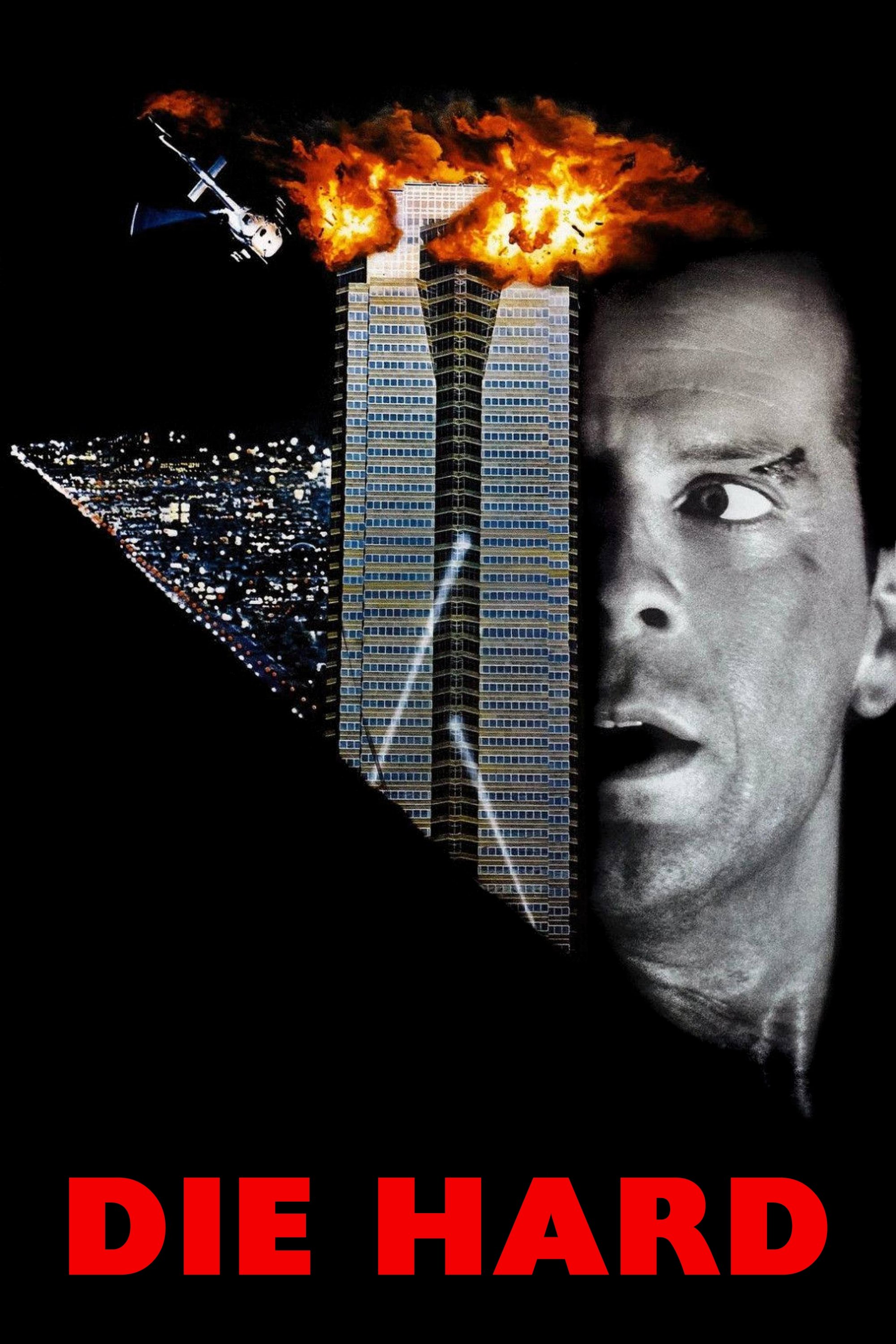
John McClane sends a grim message to the terrorists controlling Nakatomi Plaza. He places a dead henchman in the elevator car with a Santa hat and a message written on his shirt. Hans Gruber reads the text indicating that he now has a machine gun. This moment establishes the protagonist as a credible threat who uses psychological warfare. It shifts the power dynamic between the lone cop and the organized criminals.
Speed (1994)
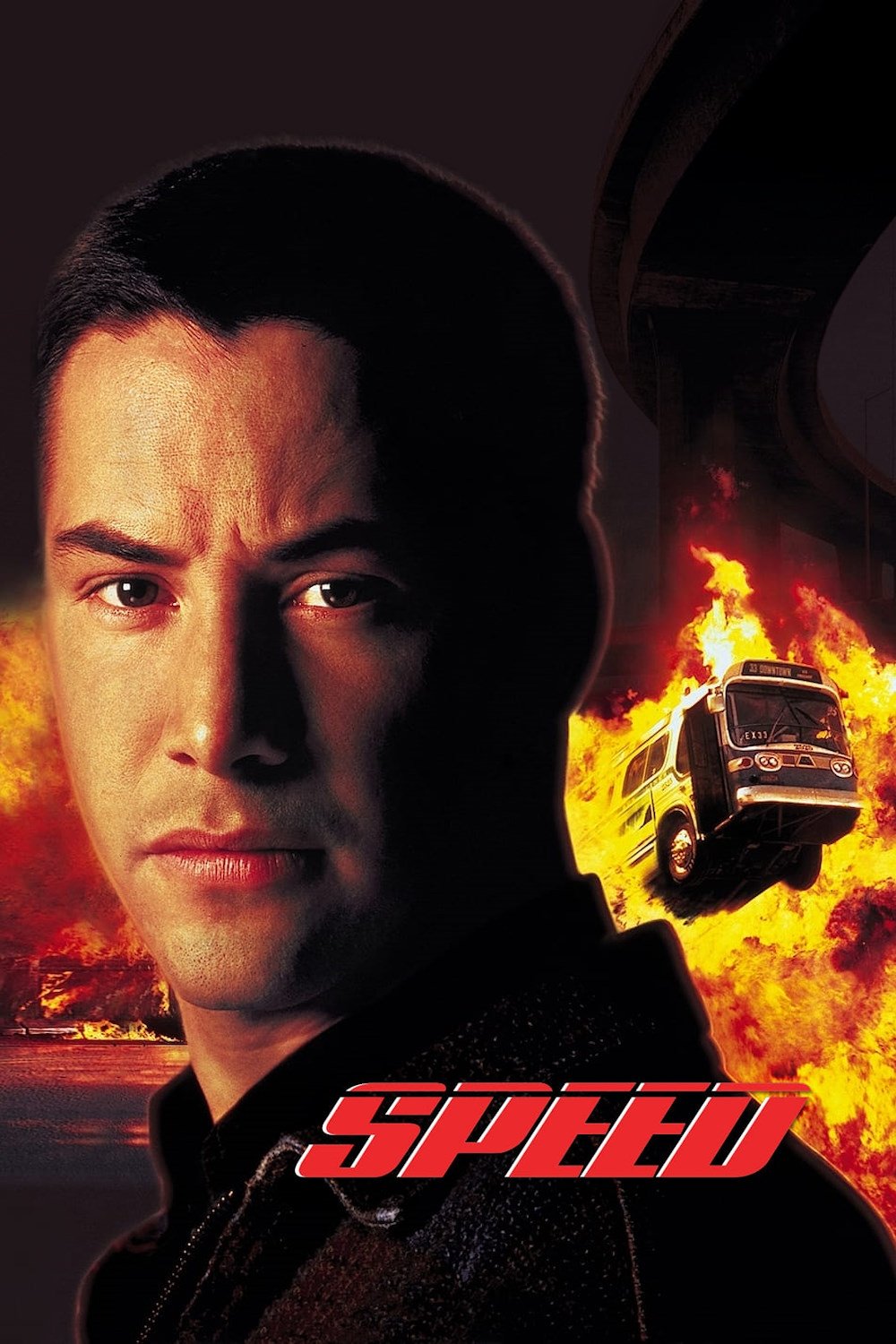
Jack Traven and Harry Temple arrive at a high-rise building where a bomber has trapped passengers in an elevator. The bomber rigs the emergency brakes to explode if the car drops below a certain floor. The police officers must execute a daring rescue by hooking a crane cable to the roof mechanism. Tension mounts as they work against time to offload the hostages before the cable snaps. This opening sequence immediately establishes the high stakes and the ingenuity of the antagonist.
The Silence of the Lambs (1991)
Hannibal Lecter executes a brilliant escape plan involving the elevator in the Shelby County Courthouse. Police officers discover a body on top of the elevator car as it descends to the ground floor. They believe the killer is inside the car but realize too late that the body on the roof is actually Lecter in disguise. He uses the face of a guard to blend in with the emergency responders. This twist demonstrates his terrifying intelligence and adaptability under pressure.
The Departed (2006)

Billy Costigan escorts the handcuffed Colin Sullivan into the elevator after a tense rooftop confrontation. The doors open on the ground floor to reveal another mole within the police department. Costigan is immediately shot in the head before he can process the betrayal. The sudden violence shocks the audience by abruptly killing the protagonist. It reinforces the theme that no one gets out of the criminal underworld unscathed.
Aliens (1986)

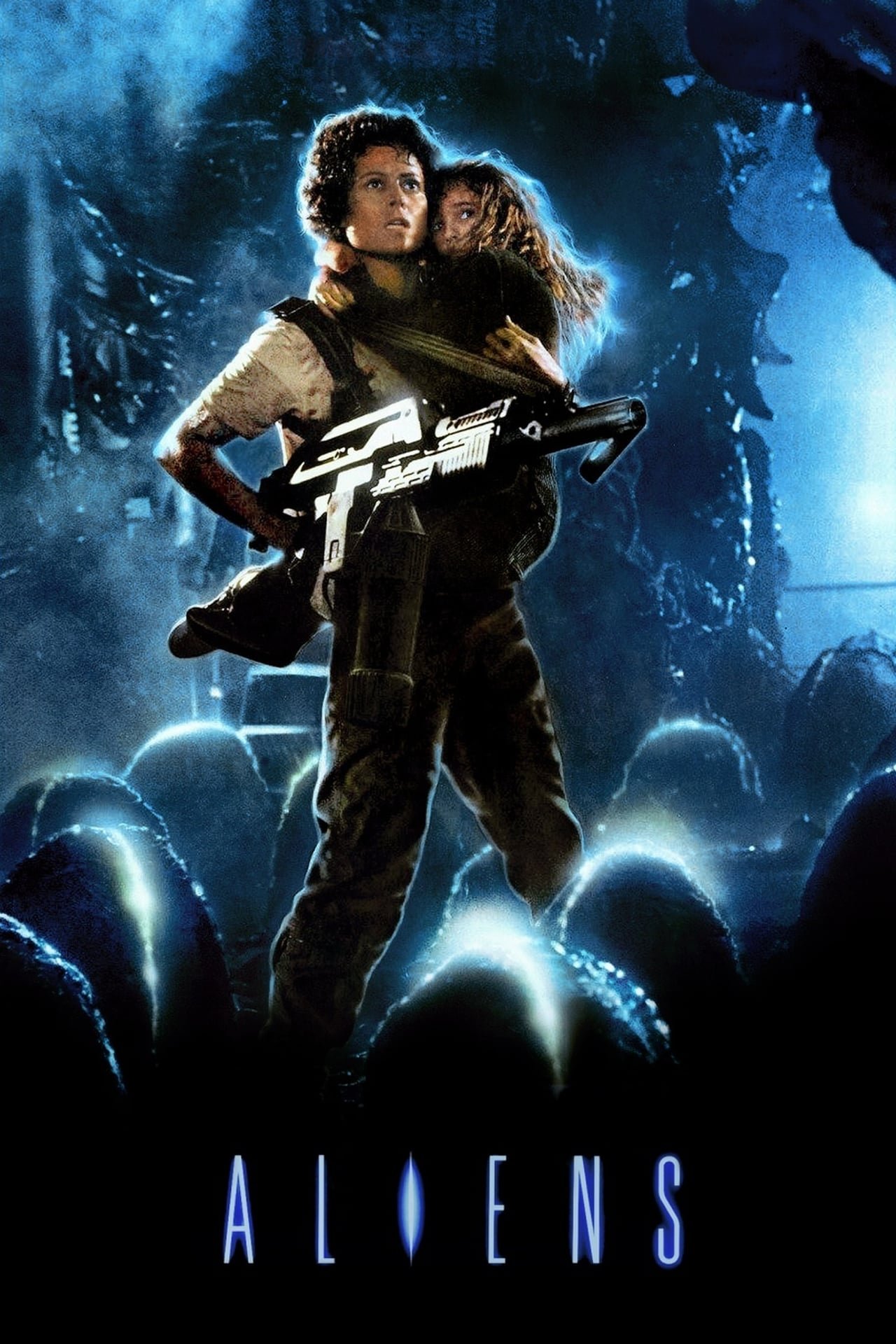
Ellen Ripley tapes a pulse rifle and flamethrower together before descending into the alien nest. The elevator ride serves as a tense transition from safety into the heart of danger. She watches the floor numbers count down while preparing herself mentally for the rescue mission. The industrial sound design and flashing lights heighten the anticipation of the confrontation. This sequence transforms her from a survivor into an iconic action heroine.
Spider-Man 2 (2004)
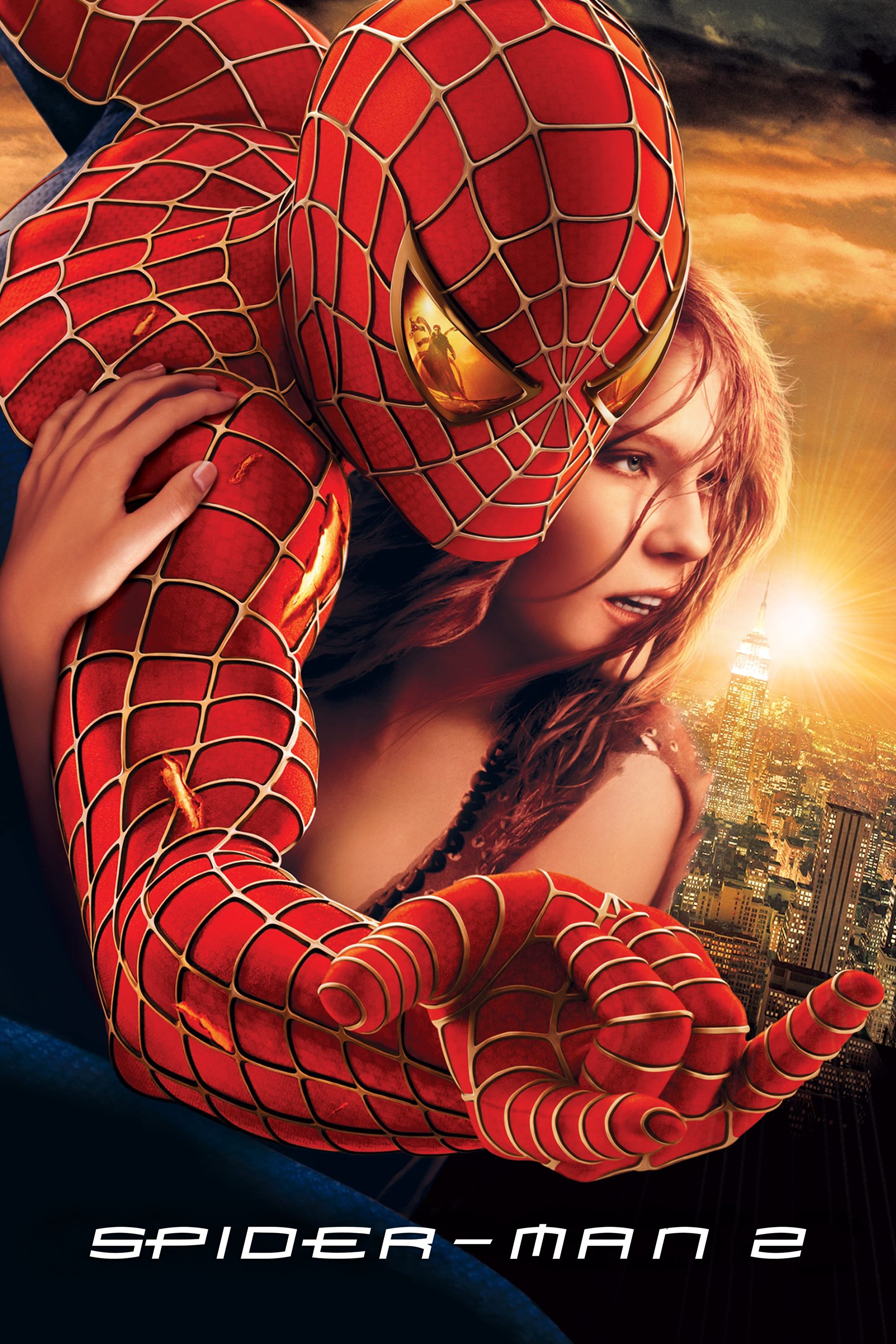
Peter Parker experiences a temporary loss of his powers while swinging through the city. He is forced to take the elevator down in his costume alongside a stranger. The man comments on the suit and creates an incredibly awkward interaction. This humorous interlude humanizes the superhero by placing him in a mundane social situation. It contrasts the grand scale of his battles with the everyday reality of New York life.
Elf (2003)
Buddy the Elf discovers an elevator for the first time in the Empire State Building. He is fascinated by the grid of illuminated buttons on the control panel. He decides to press every single button to see the lights turn on. The scene cuts to the elevator stopping at every floor to the annoyance of other passengers. This moment perfectly illustrates his childlike wonder and lack of social awareness.
Ghostbusters (1984)
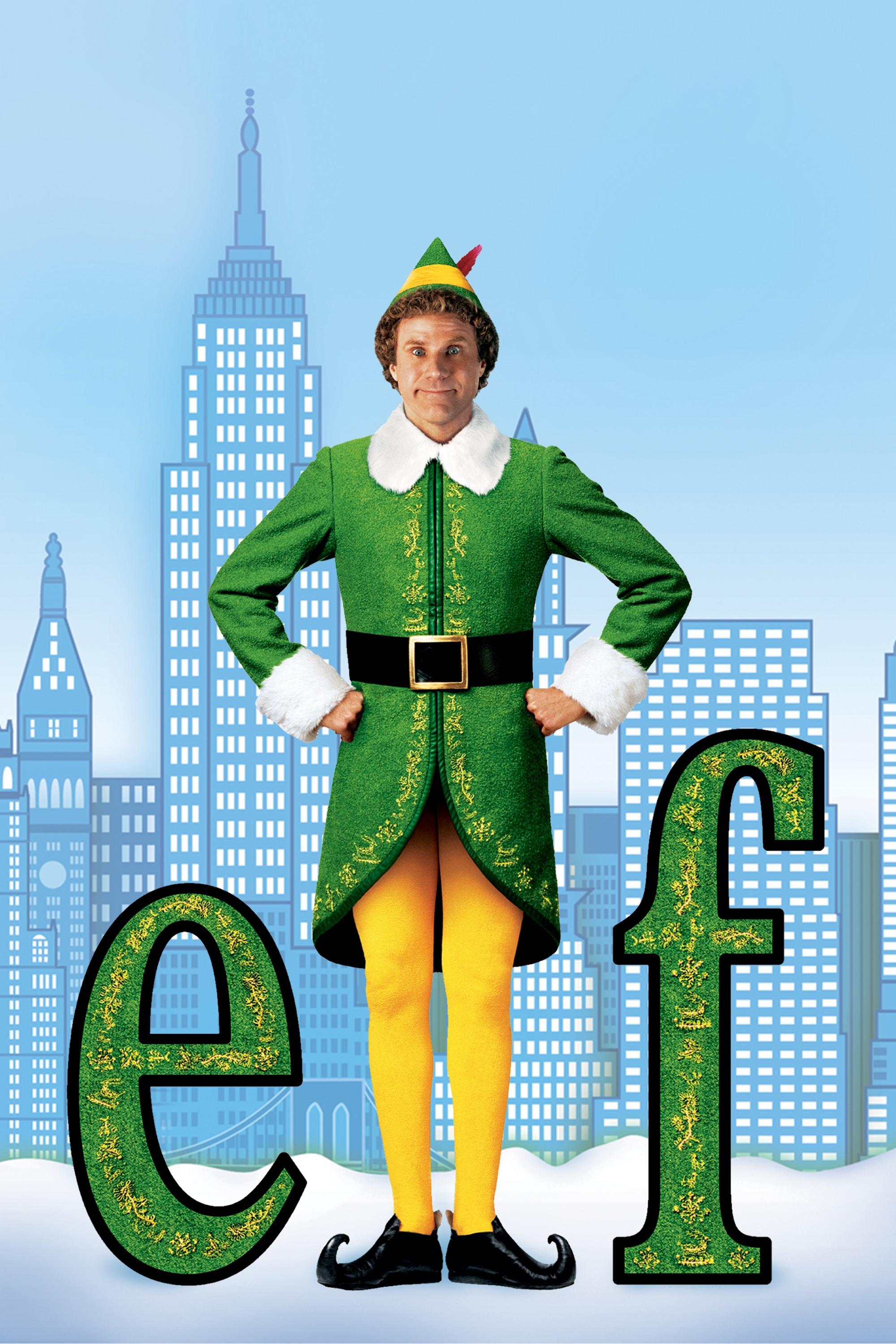
The team ascends to the roof of a skyscraper while wearing unauthorized nuclear accelerators. Ray Stantz comments on the weight of the equipment while the others stand in uncomfortable silence. The mundane conversation about back pain contrasts with the supernatural apocalypse awaiting them. It grounds the fantastical premise in working-class reality. This dry humor became a defining characteristic of the franchise.
The Matrix (1999)
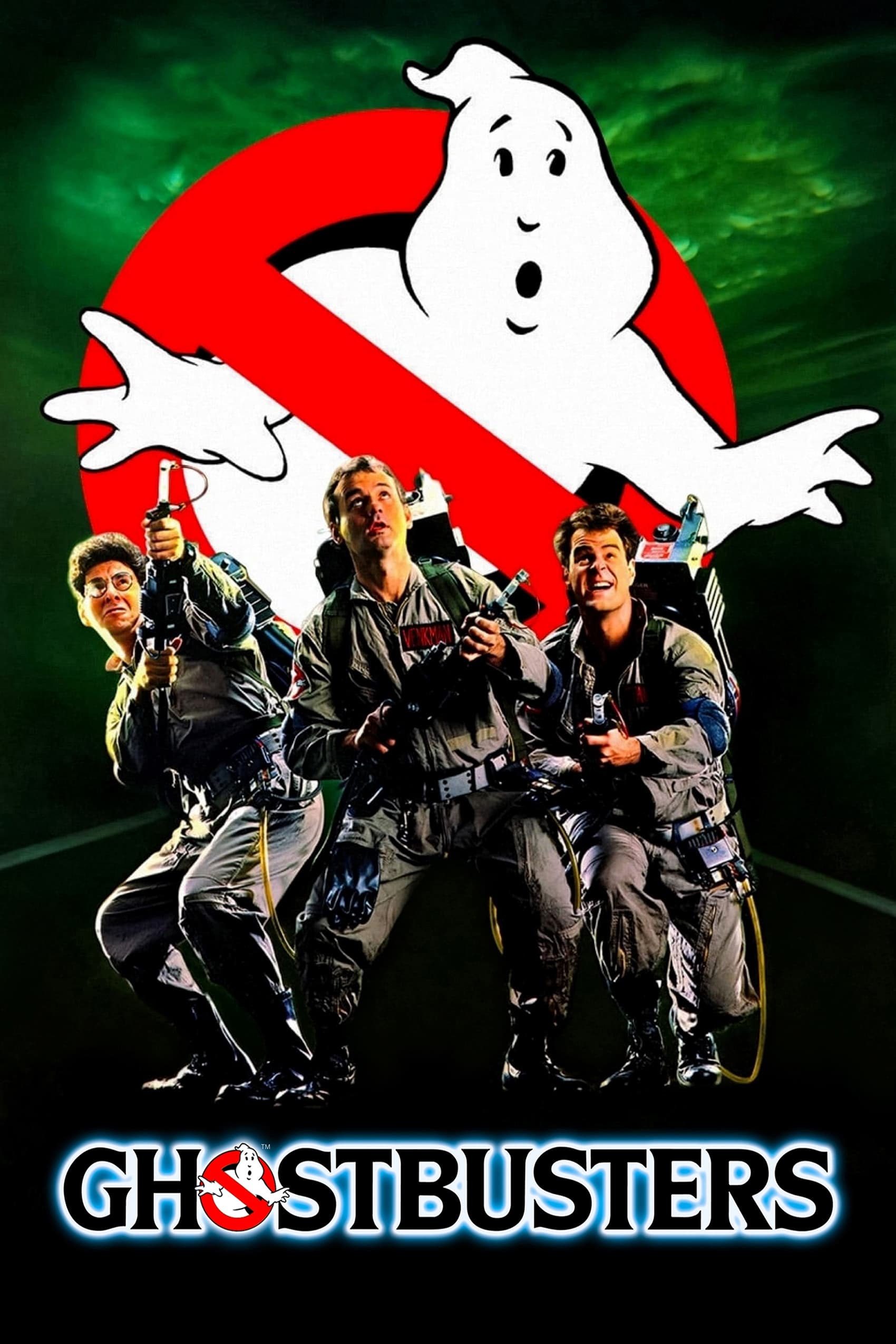
Neo and Trinity enter the lobby of a government building to rescue Morpheus. They use a bomb to destroy the elevator cables and propel themselves upward. The explosion creates a counterweight that launches them to the roof just in time. This sequence combines practical effects with wirework to create a visually stunning ascent. It demonstrates their mastery over the simulated reality of the Matrix.
Terminator 2: Judgment Day (1991)
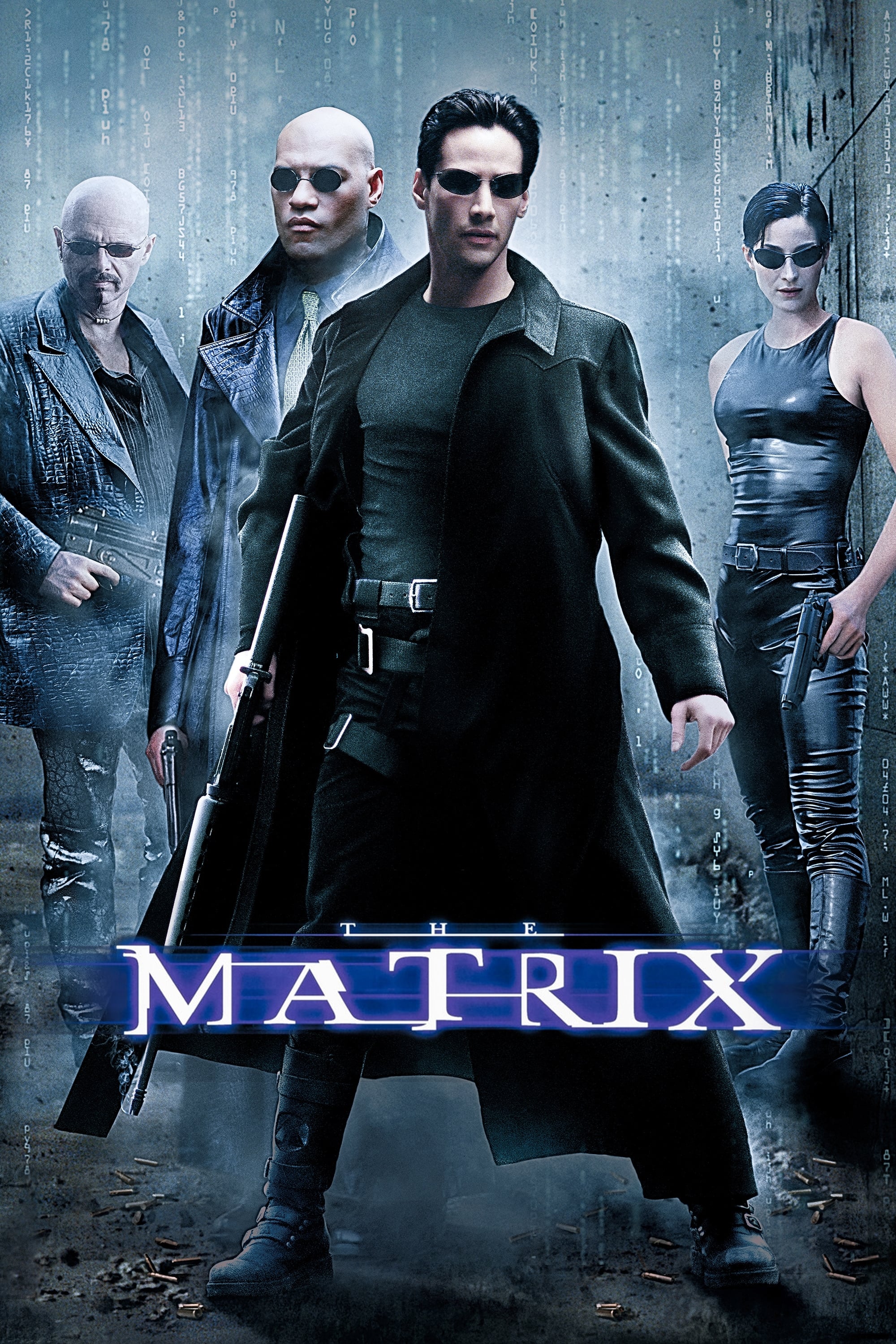
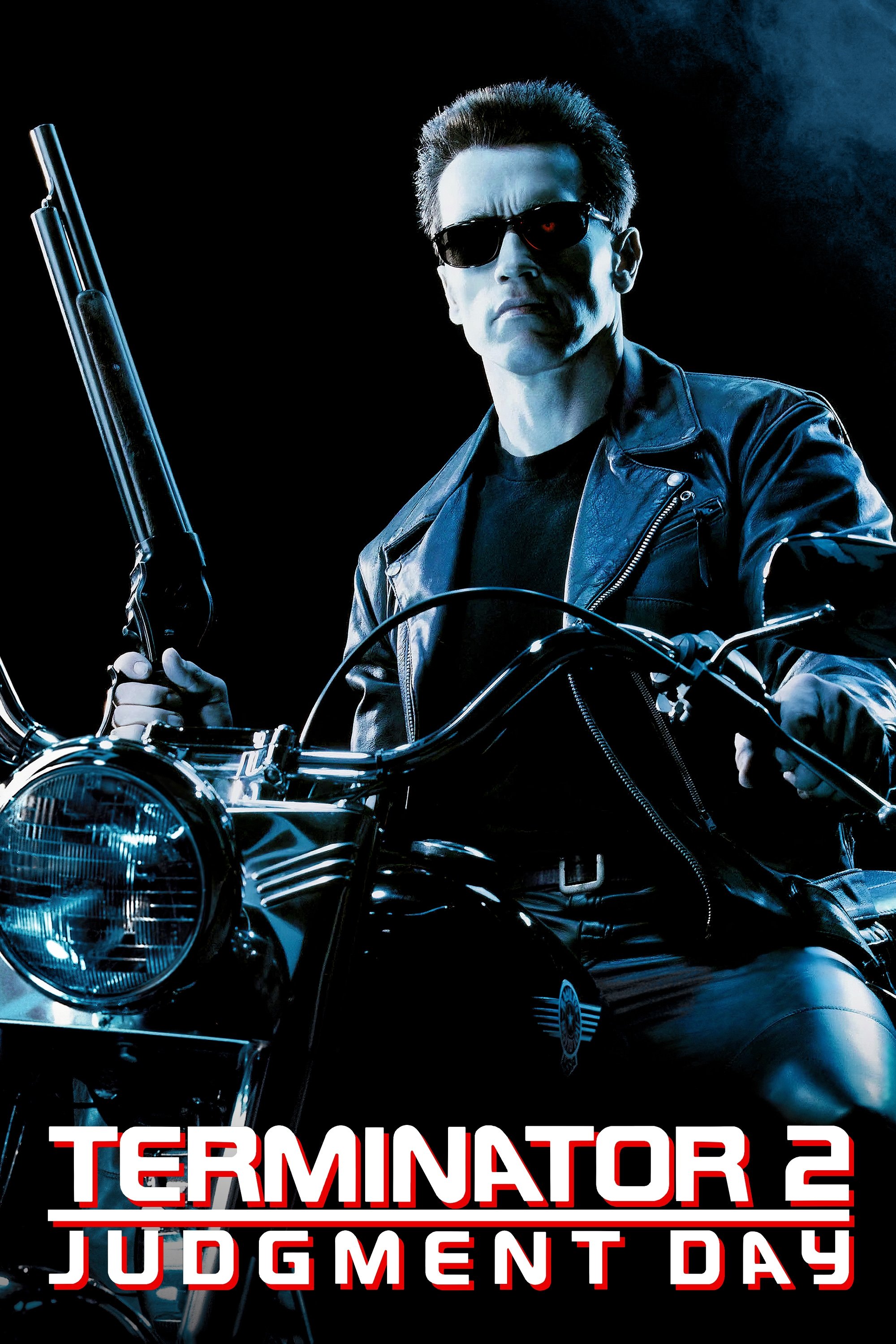
Sarah Connor and her protectors flee the mental hospital with the T-1000 in pursuit. The liquid metal android morphs through the ceiling of the elevator car to attack them. The Terminator shoots the entity at point-blank range to split its head open. This scene showcases the groundbreaking computer-generated effects used to create the villain. It emphasizes the relentless nature of the machine hunting them.
Inception (2010)
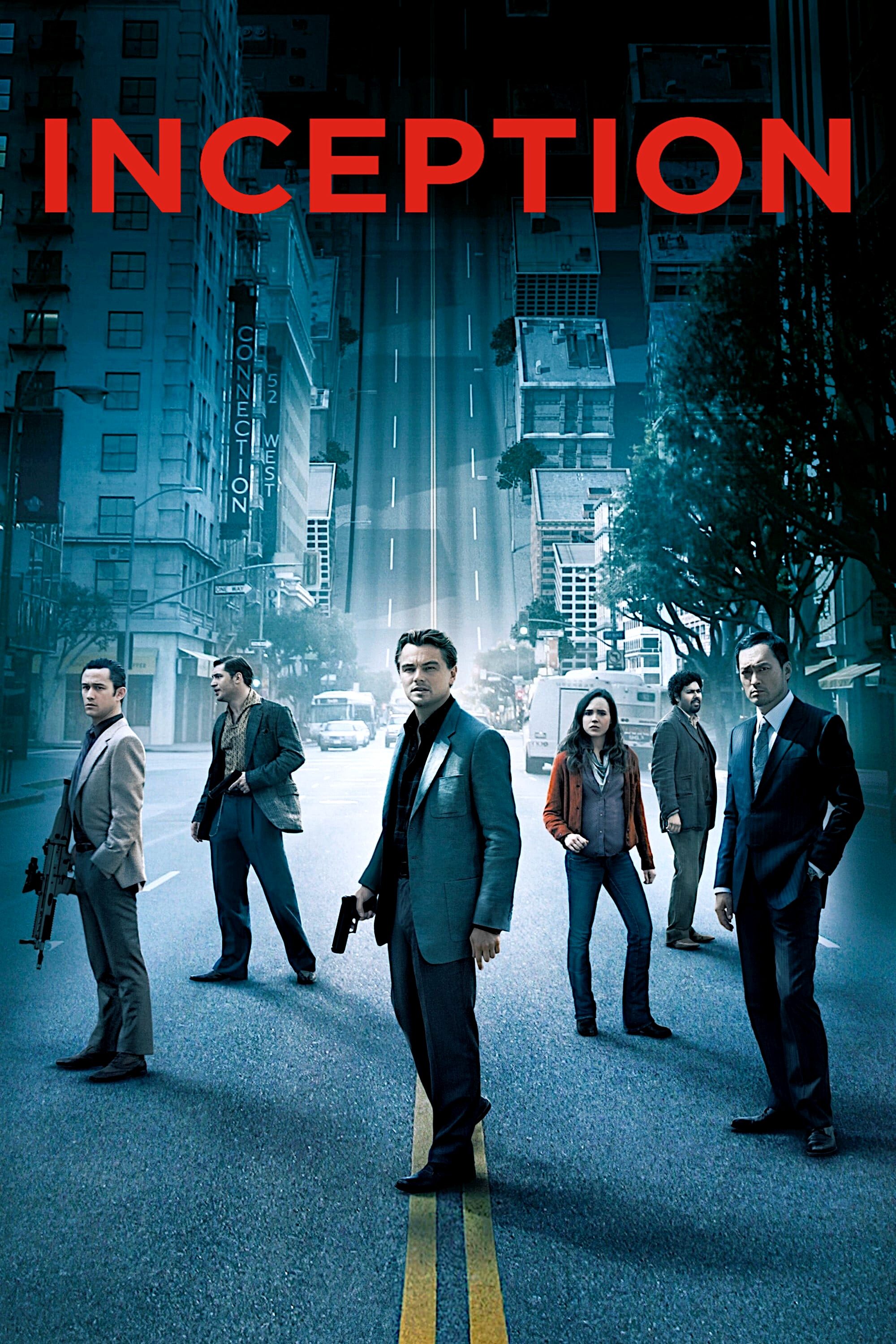
Arthur guards the sleeping team members in a hotel elevator while the dream layer loses gravity. He improvises by using explosives to turn the elevator shaft into a makeshift propulsion system. The lack of gravity allows him to float the bound bodies into a bundle. This sequence runs parallel to action in other dream layers to synchronize the wake-up kick. It remains a highlight of practical effects and creative set design.
The Cabin in the Woods (2011)
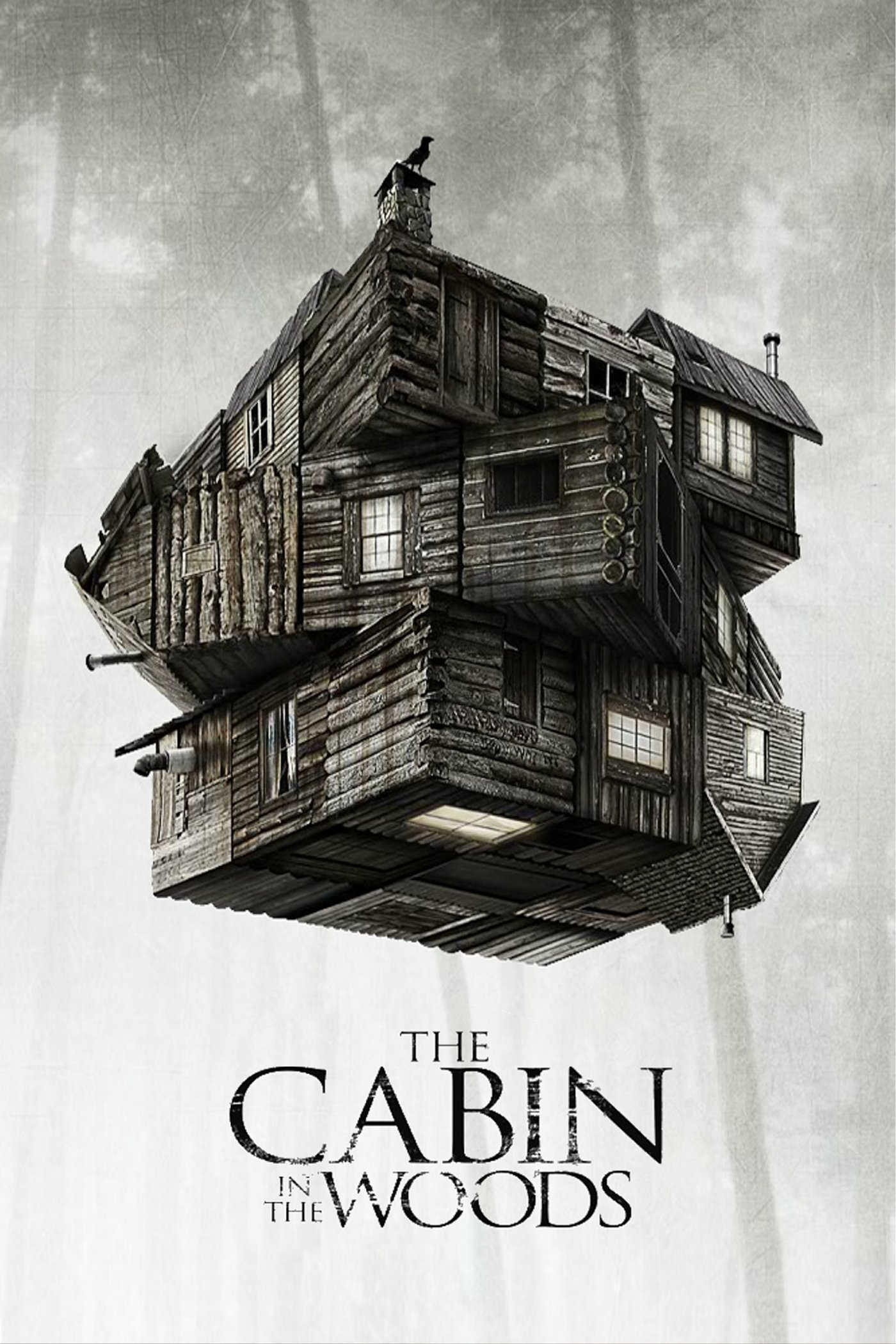
Dana and Marty descend in a glass elevator to discover the facility beneath the cabin. They see row after row of containment cubes housing various movie monsters. The purge button is eventually pressed and releases every nightmare creature into the lobby. The resulting massacre turns the corporate setting into a bloodbath of supernatural proportions. This scene deconstructs the horror genre by revealing the mechanics behind the scares.
Mission: Impossible (1996)
Ethan Hunt and his team must hack a computer located in a secure vault. He hacks the elevator shaft sensors to prevent them from detecting his presence on top of the car. The sequence involves precise timing as the elevator moves up and down while he hangs suspended. A sudden drop nearly crushes him against the ceiling of the vault room. This tense set piece established the template for the franchise’s stunts.
Willy Wonka & the Chocolate Factory (1971)

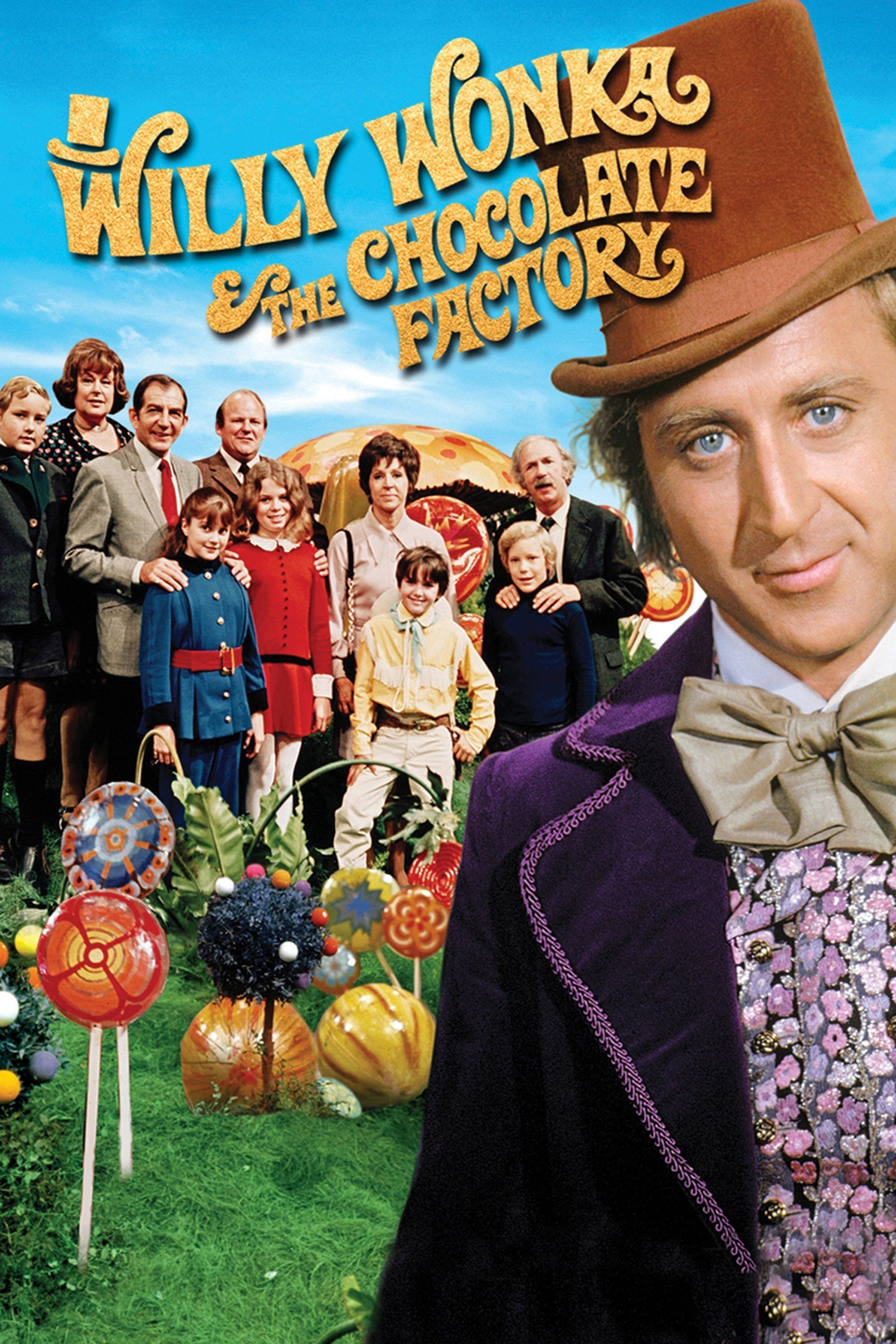
Wonka takes Charlie and Grandpa Joe into the Wonkavator for the final part of the tour. The glass elevator shoots through the roof of the factory and flies over the city. It signifies that Charlie has passed the test and will inherit the chocolate empire. The view of the town from above offers a sense of freedom and endless possibility. It provides a triumphant conclusion to the whimsical journey.
‘(500) Days of Summer’ (2009)
Tom Hansen stands in an office elevator listening to music on his headphones. Summer Finn enters and compliments his taste in The Smiths. This brief interaction ignites his romantic infatuation with her. The confined space forces an intimacy that sets the entire plot in motion. It captures the sudden and random nature of meeting someone who changes your life.
The Blues Brothers (1980)

Jake and Elwood Blues ride an elevator with a group of law enforcement officers and soldiers. The brothers stand stoically in their suits and sunglasses while Muzak plays in the background. They ignore the confusion of the people around them despite being wanted criminals. This visual gag highlights their coolness under pressure and disregard for authority. It serves as a calm interlude in the middle of a chaotic chase.
Dressed to Kill (1980)

Kate Miller waits for the elevator after a romantic encounter in a stranger’s apartment. A mysterious blonde woman enters the car with her and draws a straight razor. The ensuing murder is depicted with stylized editing and brutal efficiency. The camera angles emphasize the entrapment of the victim within the small box. This scene is often cited as a prime example of Brian De Palma’s suspense technique.
Tell us which of these elevated cinematic moments is your favorite in the comments.