







A Unique Sci-Fi Experience
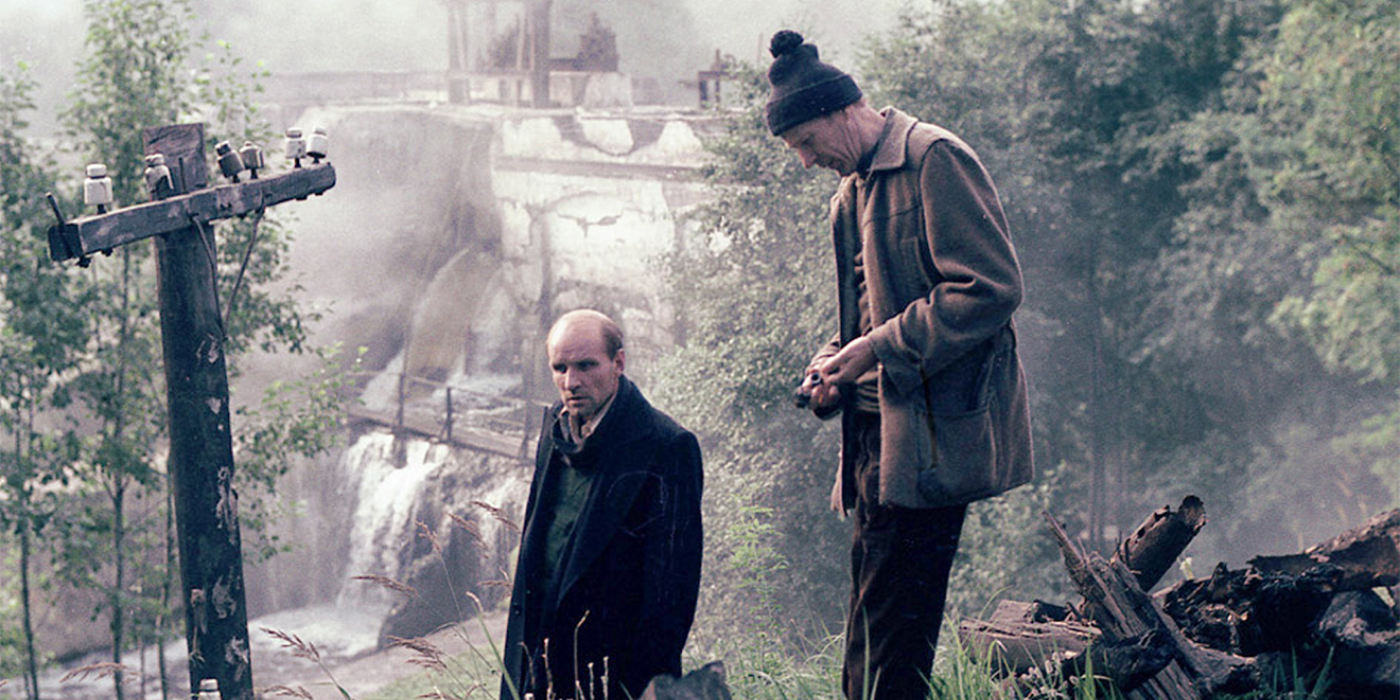
Over the years, there have been many influential sci-fi films, but few have shaped later generations as strongly as Andrei Tarkovsky’s Stalker. Released in 1979, this somber arthouse classic isn’t a typical sci-fi. It unfolds slowly and is overall dreamlike and philosophical. It’s far from exciting in the traditional sense, yet it remains one of the genre’s most captivating and intellectual works.
Adapted from Arkady and Boris Strugatsky’s novel Roadside Picnic, Stalker is a hauntingly beautiful example of an artist’s vision. The film follows three men: the Stalker (Alexander Kaidanovsky), the Writer (Anatoly Solonitsyn), and the Professor (Nikolai Grinko) – as they travel through a restricted and overgrown wasteland called the Zone on a journey toward the Room, a mysterious place where one’s deepest desires might come true.
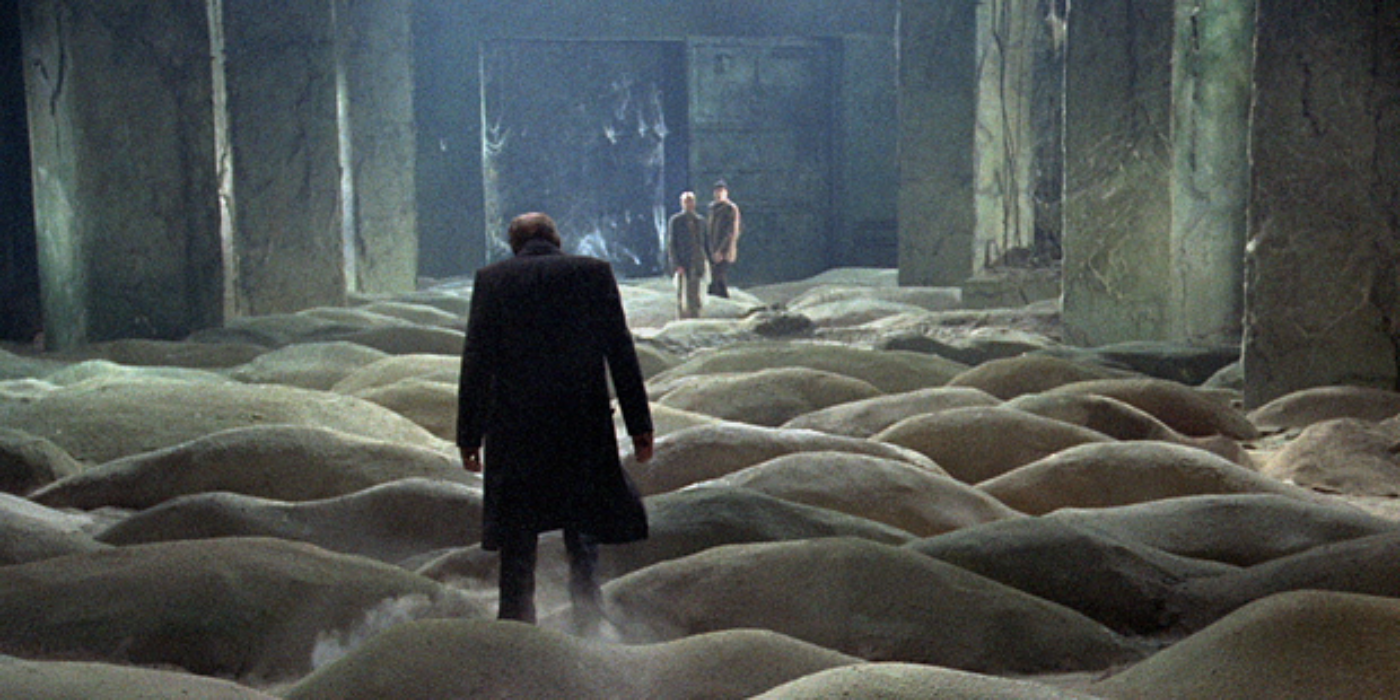
Before diving into Stalker, new viewers need to understand that this isn’t a plot-driven film. There is a story to follow, but the events are secondary to Tarkovsky’s overall vision. The opening act makes it clear that Stalker prioritizes a visual experience, yet the second act offers much more for the audience in nearly every sense.
Around the hour mark, the color palette shifts from high-contrast sepia to a broader assortment of hues. Although tinged with blue and gray, the Zone possesses a vitality that the normal world in the film lacks. After the characters’ long trek, evading authorities at every turn, this burst of color reflects the fading of their depressive states. From this point onward, a dreamlike quality perfuses the film, with the laws of physics starting to bend, and as nature reclaims the Zone’s man-made structures, viewers are drawn completely into Tarkovsky’s vision.
A Visual Masterpiece
Today’s sci-fi often flashes with extravagant CGI worlds and eye-catching visuals. Not Stalker. By modern standards, it could easily be considered low-budget. The film’s world is built from crumbling buildings and unkempt characters, but that works in its favor. Tarkovsky demonstrates that atmosphere doesn’t require endless money or special effects. It comes from using what’s available with ingenuity.
Realizing that Stalker was largely built from abandoned locations, extended long takes, and implied science-fiction elements underscores just how masterful Tarkovsky is.
A Bleak Conclusion
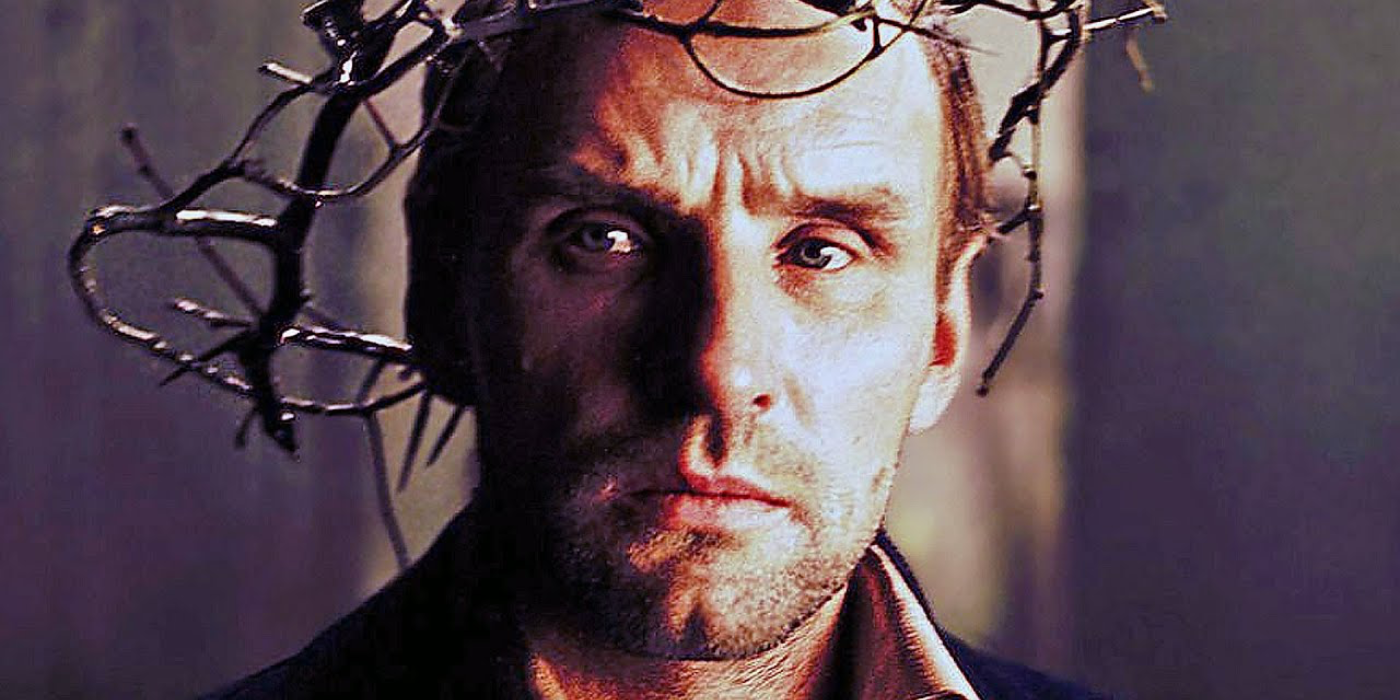
The encounters the characters face and the hypnotic imagery Tarkovsky overwhelms the viewer with can’t be put into words. Much like the upriver odyssey in Apocalypse Now, released the same year, or the quest for El Dorado in Aguirre, the Wrath of God, the journey in Stalker unfolds as much in the mind as it does across land.
When the trio finally reaches the Room, revelations about motive and identity come to light, and the men decide to leave it untouched. The film concludes with the realization that no one can ever know their deepest desires, and therefore, a wish can never be granted. As they go their separate ways, defeated and empty-handed, the film’s suffocating pessimism settles over. Yet the hope they’ve been chasing lies before them.
If humanity could find faith in its children and in its capacity to grow, it might succeed in shaping the future it so desperately seeks. The Writer and the Professor approach the Room with cynicism, trying to shortcut progress by stealing a wish. The Stalker, though burdened by despair over mankind’s failures, at least grasps that faith is essential to traversing the Zone.
Without faith, there’s nothing, but realizing this is itself a small form of hope. When the Stalker’s wife looks directly at the camera and reflects on her marriage, it becomes clear that Tarkovsky is inviting viewers to consider the fate of humanity as well.
Then, in a subtle moment contained within a single frame, their daughter moves three glasses across the table using only her mind. Tarkovsky hides his answer in the quietest of gestures. The child indicates the next step in evolution and hints that a better future does exist if we are willing to believe in our ability to reach it.

A Different Take on the Future
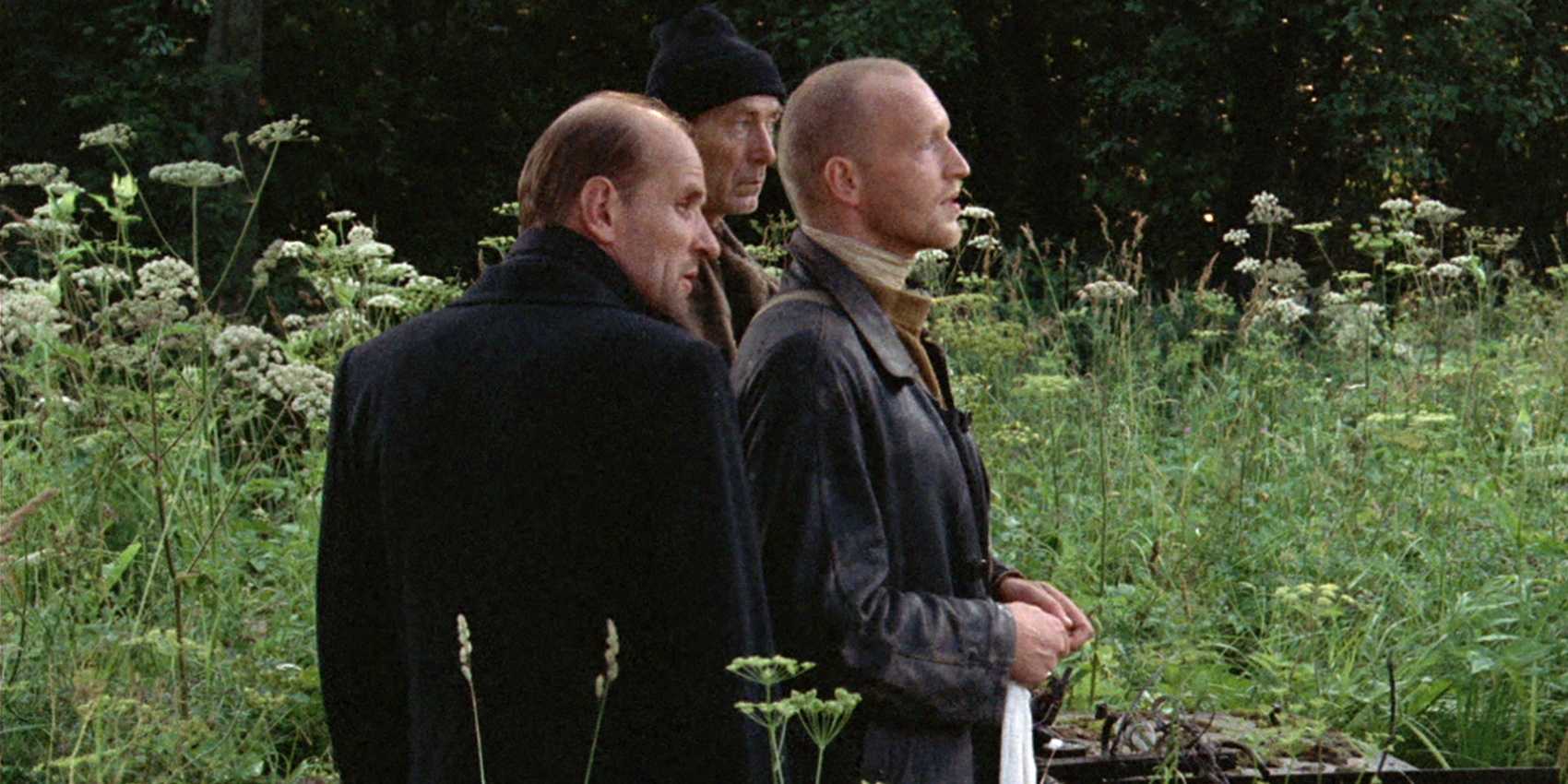
When most people think of sci-fi, images of spaceships, futuristic gadgets, and alien worlds usually come to mind. Tarkovsky, however, took a different approach with Stalker. The film’s world isn’t driven by technology or interstellar travel. Instead, it centers on its characters. While The Zone includes some science-fiction elements, such as its defiance of physical laws, the story doesn’t dwell on these features. Rather, it emphasizes the emotional and psychological journeys of those who inhabit it.
Tarkovsky uses The Zone and the enigmatic Room as metaphors for the mind. The Room, far from being a simple wish-granting device, is essentially a metaphor that forces the characters to confront their true selves. Although it is now considered one of the greatest sci-fi films ever made, Stalker initially received a mixed response. Upon its 1979 release, audiences and critics often found it overly slow and excessively philosophical.
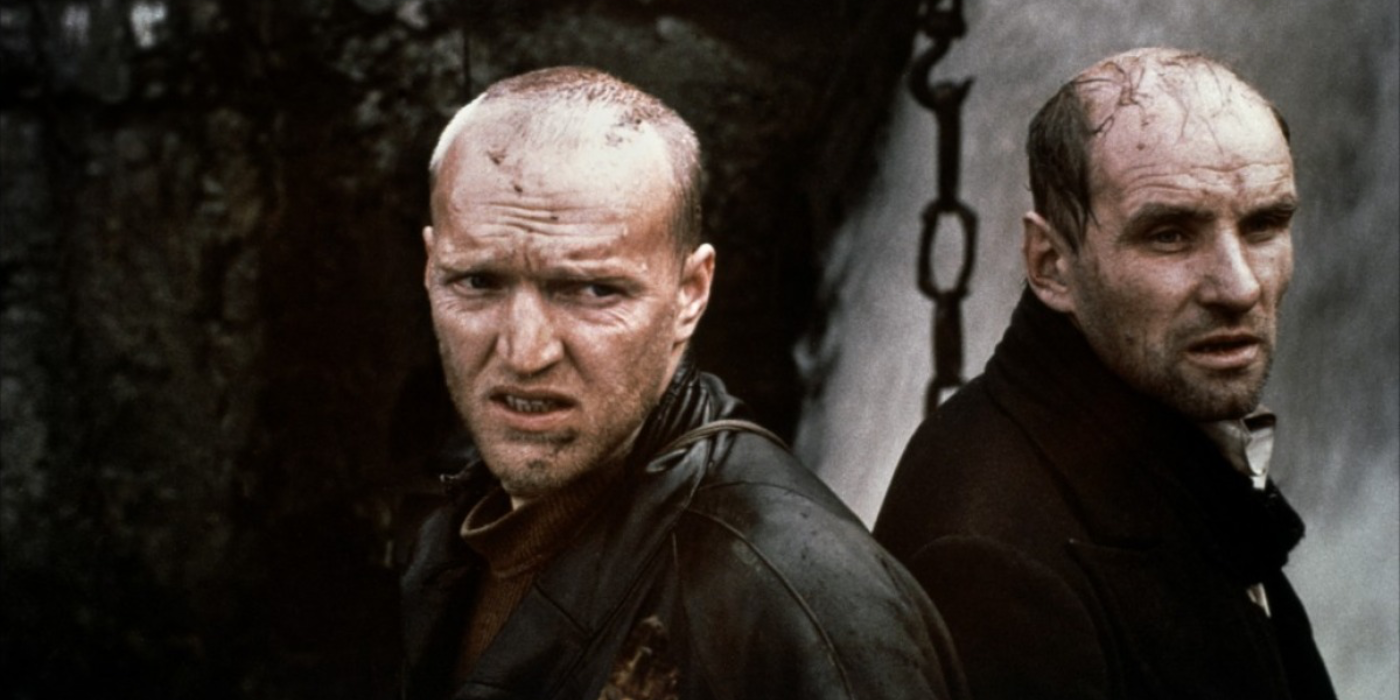
Tarkovsky intentionally made the opening sluggish, hoping to filter out viewers seeking conventional thrills. Action did appear later in the film, but only for those willing to engage with its themes. He once remarked that he valued the opinions of only two people, Bresson and Bergman, showing both confidence in his work and the esteem in which he held his peers.
In recent years, Stalker has been met with overwhelmingly positive acclaim. On review sites, it holds a perfect score with high average ratings, including 100% on Rotten Tomatoes. Critics have widely praised it as a film that achieves universal acclaim, and it has repeatedly appeared on lists ranking the greatest films of all time, earning particularly high marks from other filmmakers.
A Lasting Influence
Since its release, Stalker has become one of the most influential sci-fi films ever made. Tarkovsky’s vision can be seen in the films of directors like Christopher Nolan and Denis Villeneuve, and it has been an inspiration for Alejandro González Iñárritu and even Akira Kurosawa. Stalker also inspired music and video games, such as S.T.A.L.K.E.R.: Shadow of Chernobyl, which draws loosely from both Tarkovsky’s movie and the novel Roadside Picnic.
In literature, Jeff VanderMeer’s Southern Reach trilogy contains numerous parallels to Stalker, although VanderMeer denies any direct influence. The first novel in the trilogy, Annihilation, was adapted into a film by Alex Garland, who openly admitted the impact Tarkovsky’s film had on him.
While the similarities between VanderMeer’s books and Tarkovsky’s work could be dismissed as a coincidence, Annihilation watches like a reimagining of Stalker. Like Tarkovsky’s Zone, Garland’s Area X is a living entity. Just as the Room in Stalker holds up a mirror to the desires and fears of those who enter it, Area X forces the expedition team to confront their breakdowns.
Annihilation also shares the same focus on visuals over plot. Much like Tarkovsky’s use of shifting palettes, Garland’s Area X is an otherworldly environment full of flora and fauna. Twisted and unnatural yet strangely beautiful, the film’s visuals are undoubtedly its most memorable feature.
Thematically, both stories ask whether transformation is possible, and if so, at what cost. In Stalker, the Zone grants no easy wishes, and the power of the Room lies in its refusal to be a straightforward solution. In Annihilation, the expedition team deals with self-destruction and identity. Both works challenge characters to confront their nature, rather than simply defeat an alien threat.
It may not fit conventional definitions of science fiction, but for a film as influential as Stalker, conventionality becomes secondary. Movies like this shape generations of filmmakers and influence future classics. For anyone seeking an atmospheric sci-fi experience that can be unpacked incessantly, and whose influence can be felt in nearly every major sci-fi release that followed, Tarkovsky’s Stalker remains a remarkable achievement.