







The Enduring Influence of Carnival of Souls on Andy Muschietti’s Horror Vision
Horror fans have long associated Andy Muschietti with stylish, character-driven supernatural fright. From Mama to It, his work frequently blends emotional trauma with atmospheric terror and surreal imagery. So when HBO highlighted Carnival of Souls as one of Andy and Barbara Muschietti’s favorite horror films, the choice immediately stood out. Most fans know Muschietti draws inspiration from a wide spectrum of genre classics, but Carnival of Souls occupies its own uncanny space.
For a filmmaker like Muschietti, who often works with ghosts, liminality, and characters trapped between worlds, Carnival of Souls feels like a remarkably fitting pick. The film’s haunting images and dreamlike pacing align strongly with motifs seen throughout his most notable projects. Both Muschietti and Carnival of Souls show an interest in the psychological fractures that appear when grief meets the supernatural. Given how deeply Muschietti’s filmography relies on fractured timelines, shifting perceptions, and haunted protagonists, his admiration for the 1962 classic is not only understandable but revealing.
Carnival of Souls Remains a Defining Cult Classic of Psychological Horror
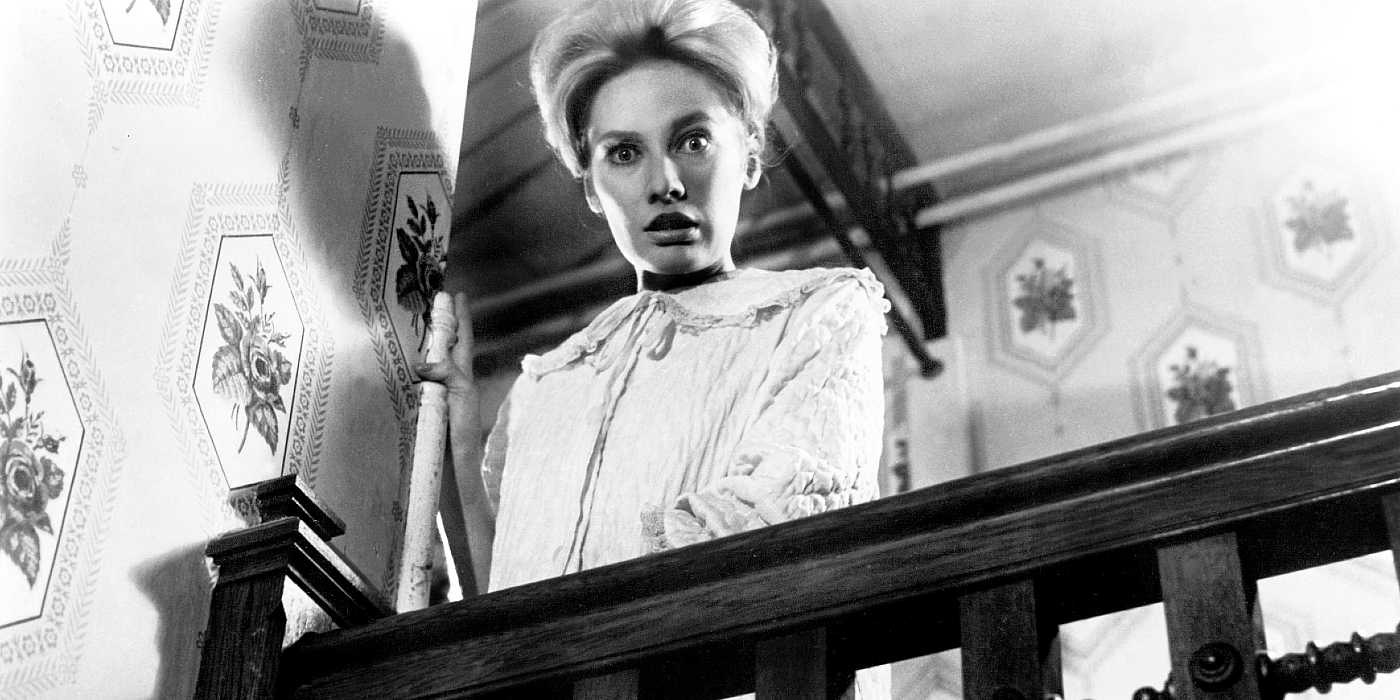

When Carnival of Souls premiered in 1962, it failed to make a commercial splash. Audiences at the time were more accustomed to high-gloss studio horror or creature features that leaned heavily on spectacle. Herk Harvey’s film, produced on a small budget and starring relative unknowns, seemed almost too quiet and too strange to fit the market. Yet the film’s oddness became precisely what secured its future legacy.
Over decades of television airings and later Criterion restoration, the movie gradually earned praise for its eerie mood, minimalist approach, and hypnotic visuals. Today, Carnival of Souls is recognized as one of the most important psychological horror films of its era.
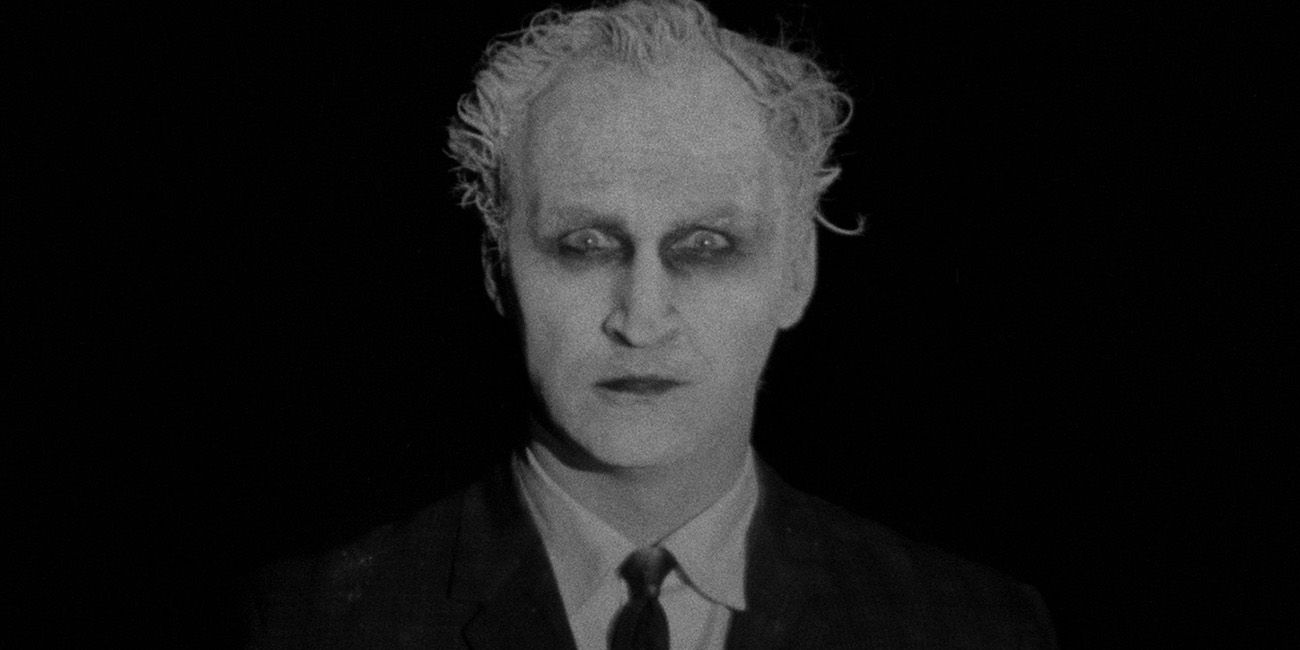
The story follows Mary Henry, a young church organist who mysteriously survives a car accident. After the crash, she moves to Utah for a new job, hoping to leave behind the traumatic event. Instead, she begins experiencing unsettling visions. Strange pale figures appear around her. The world occasionally slips into a dreamlike state where sound drops out, people ignore her, and reality loses coherence.
These episodes intensify as she grows increasingly drawn to an abandoned lakeside pavilion known as the Saltair Pavilion. The location exerts a magnetic pull, functioning as both sanctuary and threat. By the film’s end, the audience realizes Mary has been caught between life and death the entire time. She never survived the original crash. Her journey has been a ghost’s attempt to reconcile the truth of her own demise.
The film’s reception has become central to its reputation. Although it received mixed reviews during its original release, modern critics now consider Carnival of Souls a masterclass in minimalist horror. The production’s limitations forced director Herk Harvey and writer John Clifford to rely heavily on atmosphere rather than special effects. Their use of stark black and white cinematography, empty landscapes, disorienting editing, and sparse dialogue creates a slow-building sense of unease.
The film’s sound design also contributes to its haunting quality. Long stretches of silence or organ music emphasize Mary’s disconnection from the world around her. It feels alien, suspended, and drained of life, which mirrors Mary’s own liminal state.
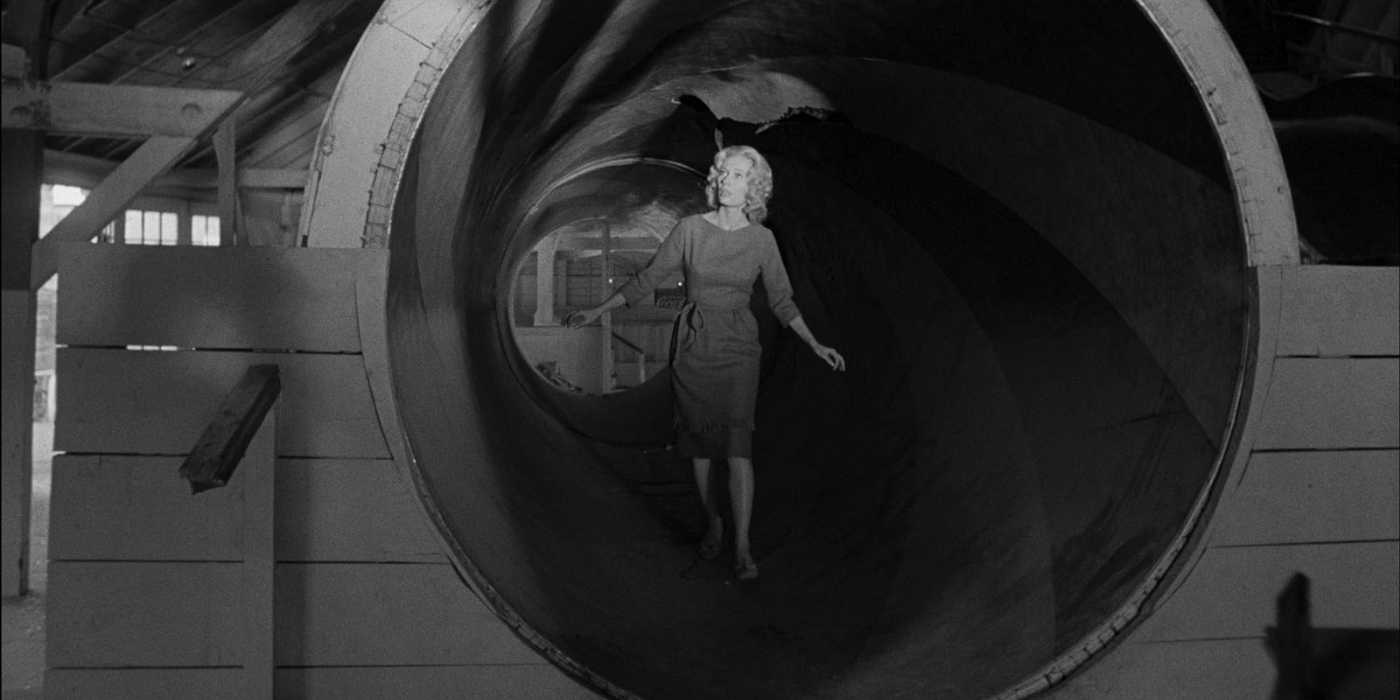
The abandoned carnival setting contributes significantly to the film’s mythic quality. Carnivals already evoke liminality, transition, and the border between entertainment and danger. Here, the imagery is stripped of joy and reduced to skeletal architecture, shadows, and ghostly gatherings. The pavilion becomes a physical expression of Mary’s psychological state. It is a place she feels drawn to, yet one she instinctively fears.
That tension between attraction and dread is what gives Carnival of Souls its uncanny longevity. The film does not rely on jump scares or monsters. Its horror comes from the slow reveal that Mary is no longer part of the living world, a truth she resists until it becomes impossible to ignore.
The Cult Classic Deeply Aligns with Andy Muschietti’s Vision of Horror
To understand why Carnival of Souls might resonate with Andy Muschietti, it is essential to examine the thematic DNA of his own work. Muschietti gravitated toward stories where the supernatural blends with emotional pain, especially trauma that lingers and reshapes the world. His breakout film Mama follows two girls whose grief and abandonment attract a vengeful spirit.
His adaptation of Stephen King’s It foregrounds childhood fear, memory, and the psychological scars that reappear in adulthood. Even The Flash, while not a horror film, explores timelines shattered by grief and the catastrophic consequences of refusing to accept loss. Across his projects, characters often confront ghosts of their past, literal or symbolic. Reality bends around their unresolved emotions.
These are the same ideas embedded deep within Carnival of Souls. Mary Henry’s journey is not driven by an external threat. Instead, it stems from her inability to accept what has happened to her. She is disconnected from the world because she is no longer part of it. Her denial becomes the engine of the film’s horror. Muschietti frequently uses similar narrative engines. His protagonists often harbor emotional wounds that make them vulnerable to supernatural influence.
The horror grows out of the character’s interior state rather than existing as an independent force. In Mama, the titular spirit is not simply a monster. She is an embodiment of unresolved maternal grief. In It, Pennywise becomes a manifestation of each character’s deepest personal fear. Muschietti seems drawn to stories where emotional truth and supernatural horror intersect.
Stylistically, Muschietti’s films also share a kinship with Carnival of Souls. While Muschietti uses larger budgets and modern effects, he still relies heavily on atmosphere. He favors lingering shots that emphasize mood, uses shadows and liminal spaces to create tension, and often builds scares through gradual escalation rather than abrupt shocks. The iconic Saltair Pavilion in Carnival of Souls functions very similarly to some of Muschietti’s most memorable settings.
Think of the well from Mama, the sewer tunnels of It, or even the chronally unstable spaces in The Flash. Each location is presented as a physical representation of the character’s emotional state. They are haunted not only because spirits live there but because the protagonists themselves are emotionally tethered to them.
Another reason Muschietti likely responds to Carnival of Souls is its treatment of characters who exist on the edge of reality. Muschietti often portrays protagonists who feel out of place in their own lives, as if something about their world is slightly off. Beverly Marsh in It senses a darkness no one else acknowledges. Barry in The Flash literally watches his world bend under the weight of grief. In Mama, the young girls struggle to adapt to society after years of isolation.
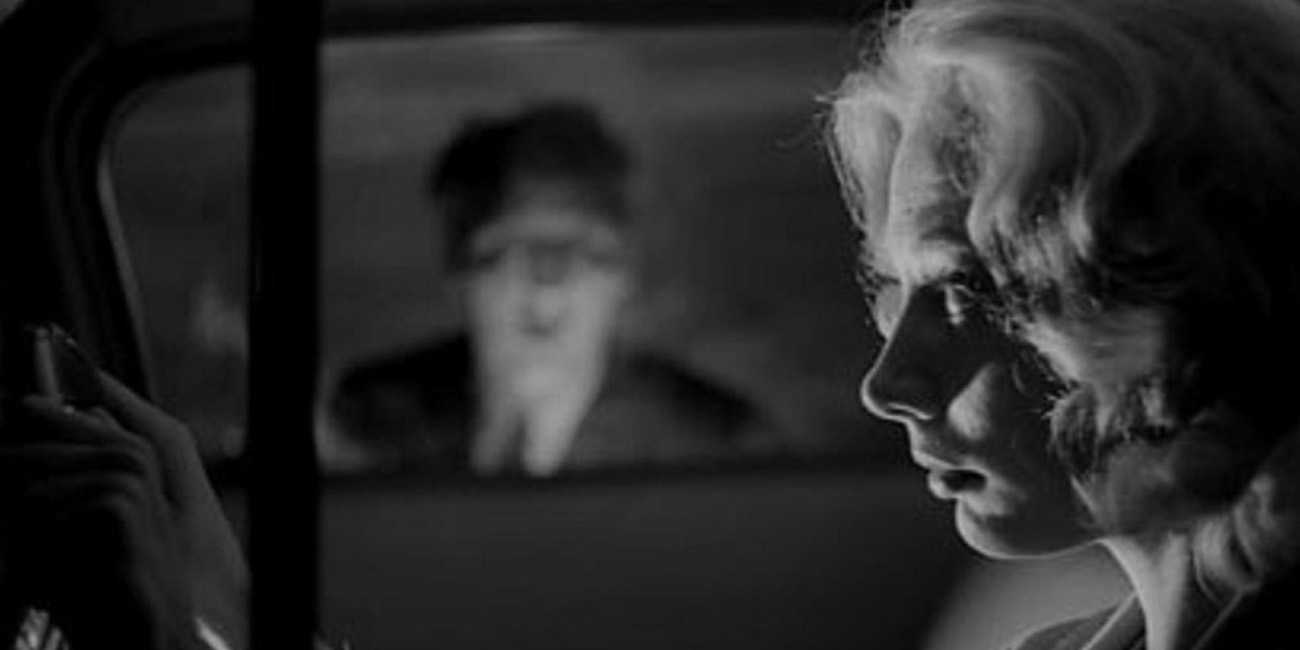
That tension mirrors Mary Henry’s emotional distance. She is physically present but psychologically disconnected. Every person she encounters reacts to her as if she is slightly wrong, slightly out of step with the world. This resonates strongly with Muschietti’s interest in characters who navigate fractured identity.
Its Haunting Take on Death, Liminality, and the Fear of Being Stuck Still Resonates With Audiences Decades Later
One of the most compelling aspects of Carnival of Souls is its exploration of death as a state of suspension rather than finality. Mary is not a ghost in the traditional sense. She does not behave maliciously or seek revenge. Instead, she wanders through life caught between two worlds, unable to acknowledge her own passing. The film approaches death as an emotional condition, not only a physical event.
Mary’s liminality becomes a metaphor for the human fear of being forgotten, unseen, or irrelevant. Her interactions with others reveal the slow erosion of her connection to the living world. People fail to hear her, fail to see her, or fail to understand her. The horror comes from this gradual erasure of identity.
This take on death aligns with contemporary interpretations of horror where the fear is not the finality of dying but the implications of not truly living. Mary’s tragedy stems from her inability to accept her situation. Her detachment becomes both a cause and a symptom of her limbo. The carnival itself symbolizes this liminality. It is neither fully alive nor dead, neither celebratory nor mournful. It is abandoned, skeletal, and echoing with ghosts. Mary’s attraction to the carnival represents her subconscious recognition of the truth. It is the place where the living world and the afterlife intersect.
From a modern analytical perspective, the film’s quiet pacing and surreal imagery enhance its thematic intent. Scenes where Mary drifts through crowds unnoticed emphasize her detachment. Moments where sound disappears entirely turn her world into a vacuum. The ghostly figures that appear throughout the film serve as manifestations of death waiting patiently for acceptance.
Nothing in the film moves quickly. The horror creeps in slowly, mirroring Mary’s gradual recognition of her reality. This structure places the audience inside Mary’s psychological experience, allowing them to feel the same disconnection she feels.
These themes connect strongly to Muschietti’s storytelling sensibilities. His films often revolve around characters who are emotionally stuck. In It, the Losers must confront childhood trauma in order to defeat Pennywise. Their inability to let go of the past traps them in cycles of fear. In Mama, the girls cannot fully adapt to their new life until they confront the lingering spirit of their old one. Thus, Carnival of Souls feels like a natural fit among Muschietti’s influences.