






Clark Gable’s Marriages: A Legacy of Love and Tragedy
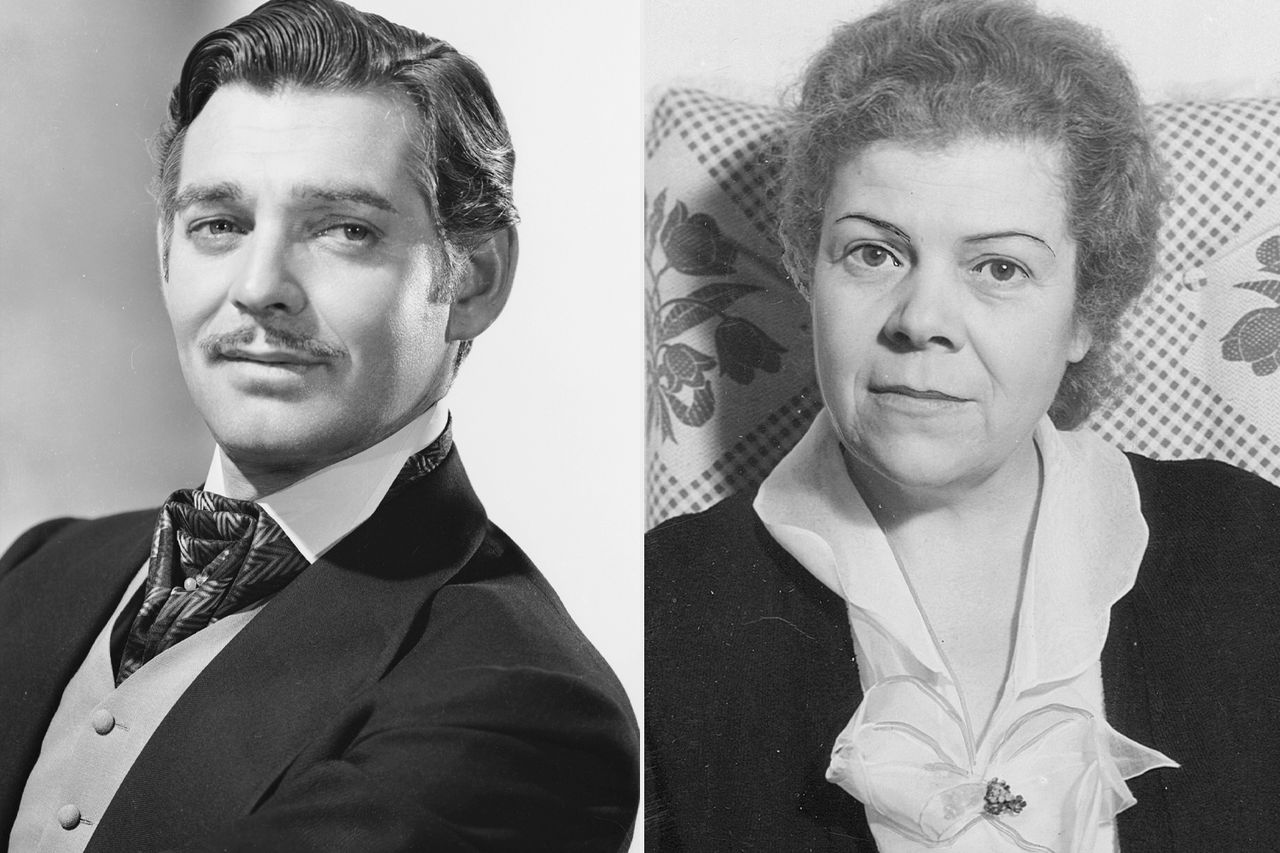
Clark Gable, one of the most iconic stars of Old Hollywood, was known not only for his legendary performances but also for his tumultuous personal life. With five marriages over the course of his 59 years, Gable’s relationships were as complex as they were public. Each marriage brought its own set of challenges, triumphs, and heartbreaks, shaping the man behind the screen.
First Wife: Josephine Dillon
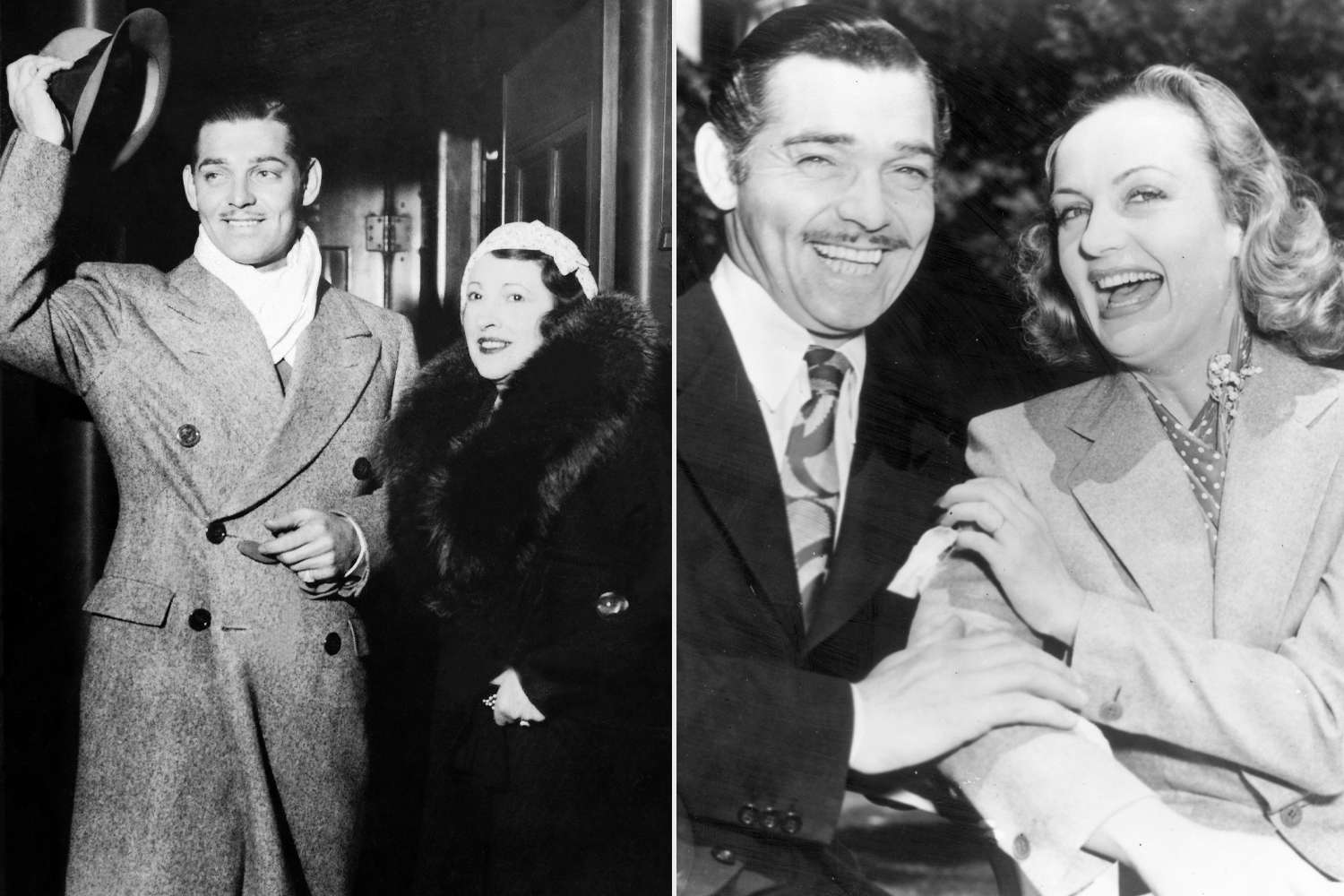
Gable’s first marriage was to Josephine Dillon, an actress and drama coach who was 17 years his senior. They met when Gable was performing with a theater troupe in Portland, Oregon, and she became his pupil. Their relationship began in 1924, and they married that same year in Hollywood. According to The New York Times, their union lasted five years before ending in divorce.
Dillon played a significant role in Gable’s early career, helping him hone his craft. In a 1931 interview with Modern Screen, Gable spoke highly of her, saying she gave him “a constant love and inspiration.” However, their marriage ended in 1930, with Gable taking much of the blame for the breakup. Despite the end of their marriage, both remained relatively quiet about the details of their separation.
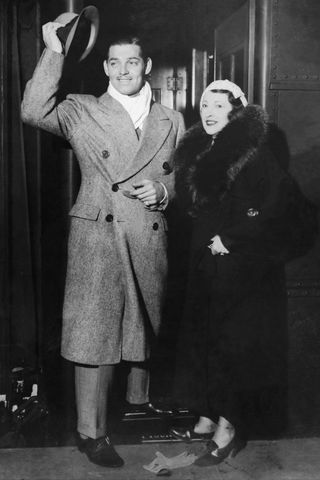
Second Wife: Maria “Ria” Franklin
Gable’s second wife, Maria “Ria” Franklin, was also an actress and older than him by more than a decade. They married in 1931, and while their relationship had its ups and downs, it is widely believed that Gable’s alleged infidelity contributed to the end of their marriage. Franklin filed for divorce in 1939, citing desertion, and the split was finalized shortly after.
There are conflicting reports about how and when the two met, but their marriage did coincide with some of Gable’s most successful years in Hollywood. He won an Oscar in 1935 for It Happened One Night, a film that helped solidify his status as a leading man.
Third Wife: Carole Lombard
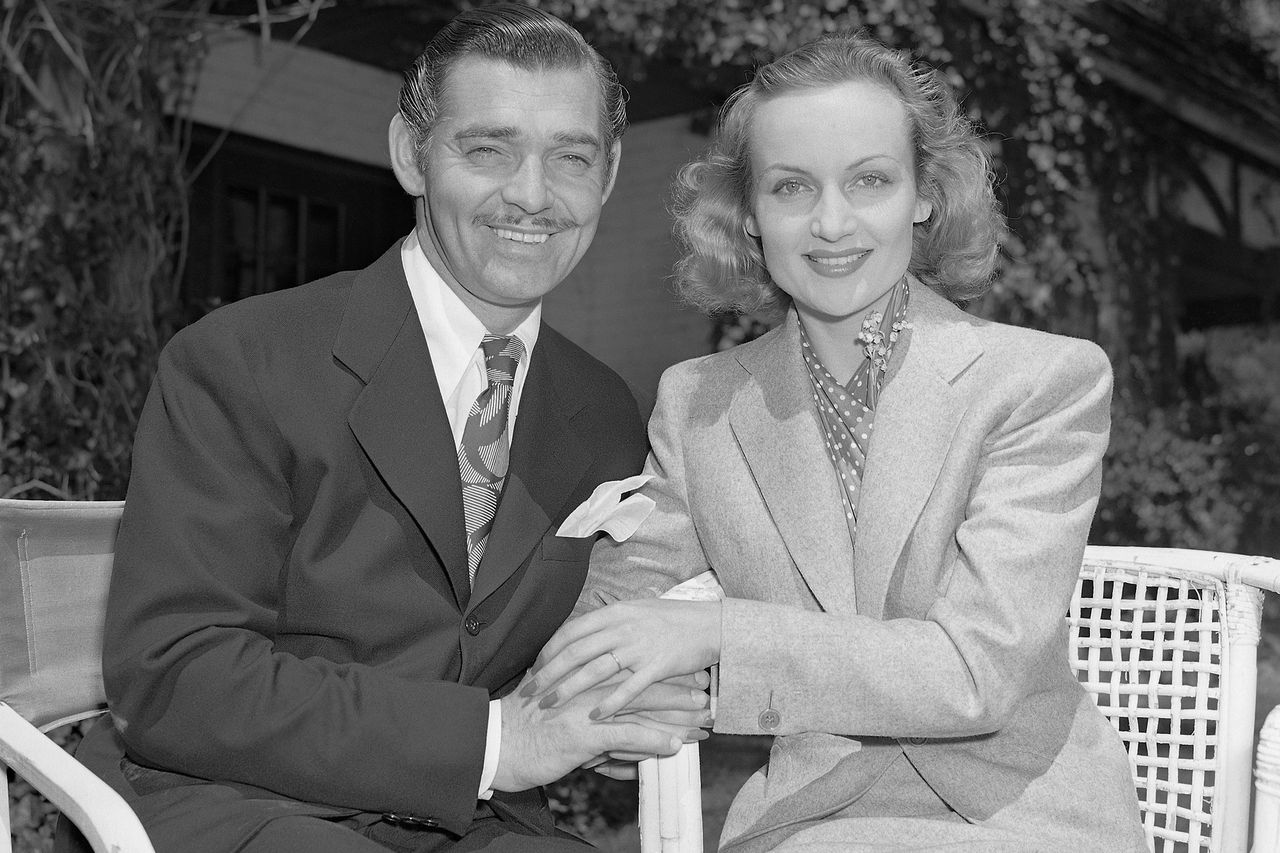
Gable’s third wife, Carole Lombard, is often considered the love of his life. Their romance inspired several works of art, including the 1976 film Gable and Lombard. Though they first starred together in 1932, their relationship didn’t take off until years later. According to author Warren G. Harris, the two initially disliked each other on set, but eventually found their way to each other.
They married in 1939, shortly after Gable’s divorce from Franklin was finalized. Their marriage was marked by both happiness and turmoil, including struggles to conceive and conflicts over Gable’s alleged infidelities. Tragically, their time together was cut short when Lombard died in a plane crash in 1942. She was returning home from a tour to sell war bonds when the aircraft she was on crashed into a mountain due to pilot error.
Fourth Wife: Lady Sylvia Ashley
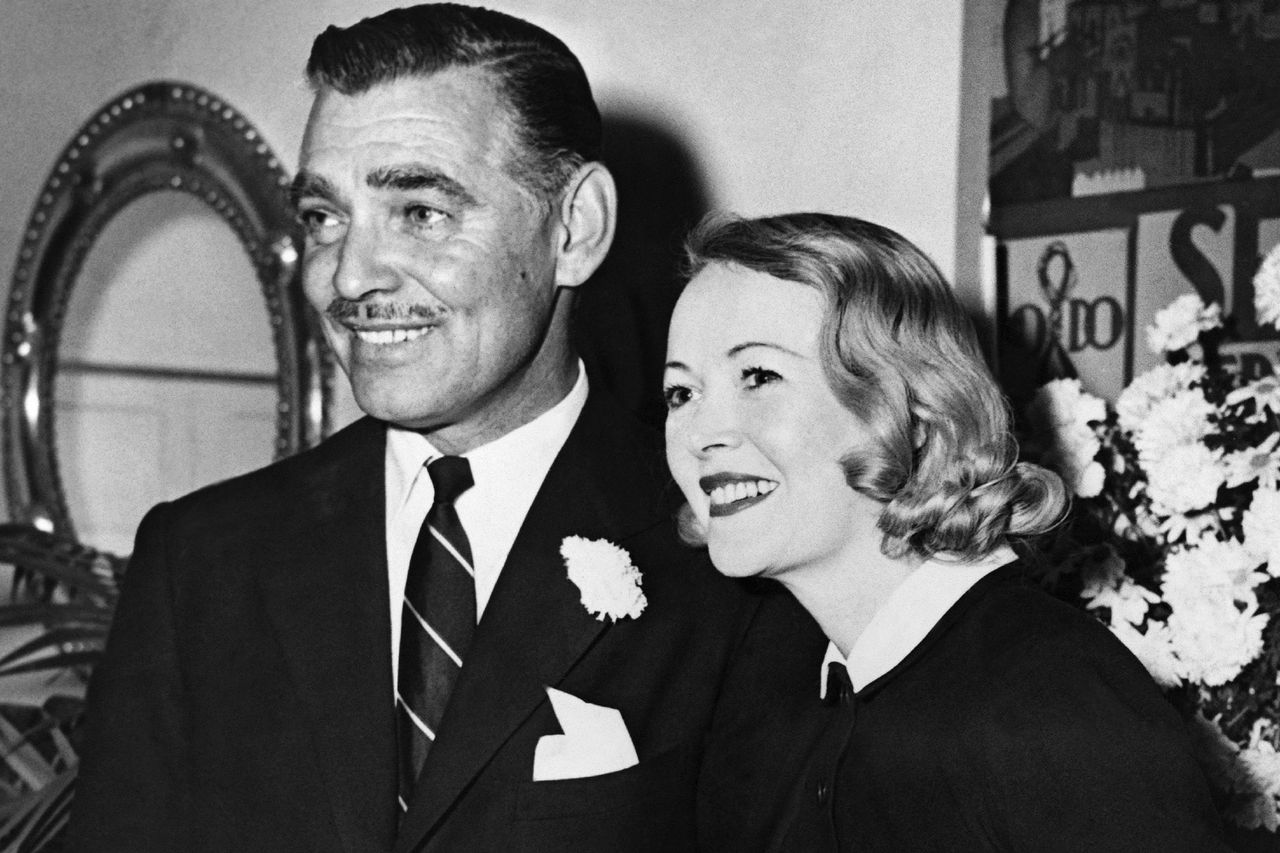
After the loss of Carole Lombard, Gable remained single for seven years before meeting his fourth wife, Lady Sylvia Ashley. Known for her marriage to actor Douglas Fairbanks Jr., Ashley met Gable at a party hosted by his agent in 1949. They married in December 1949, but their marriage lasted only two years. Ashley filed for divorce in 1952, claiming that Gable had always wished to be single.
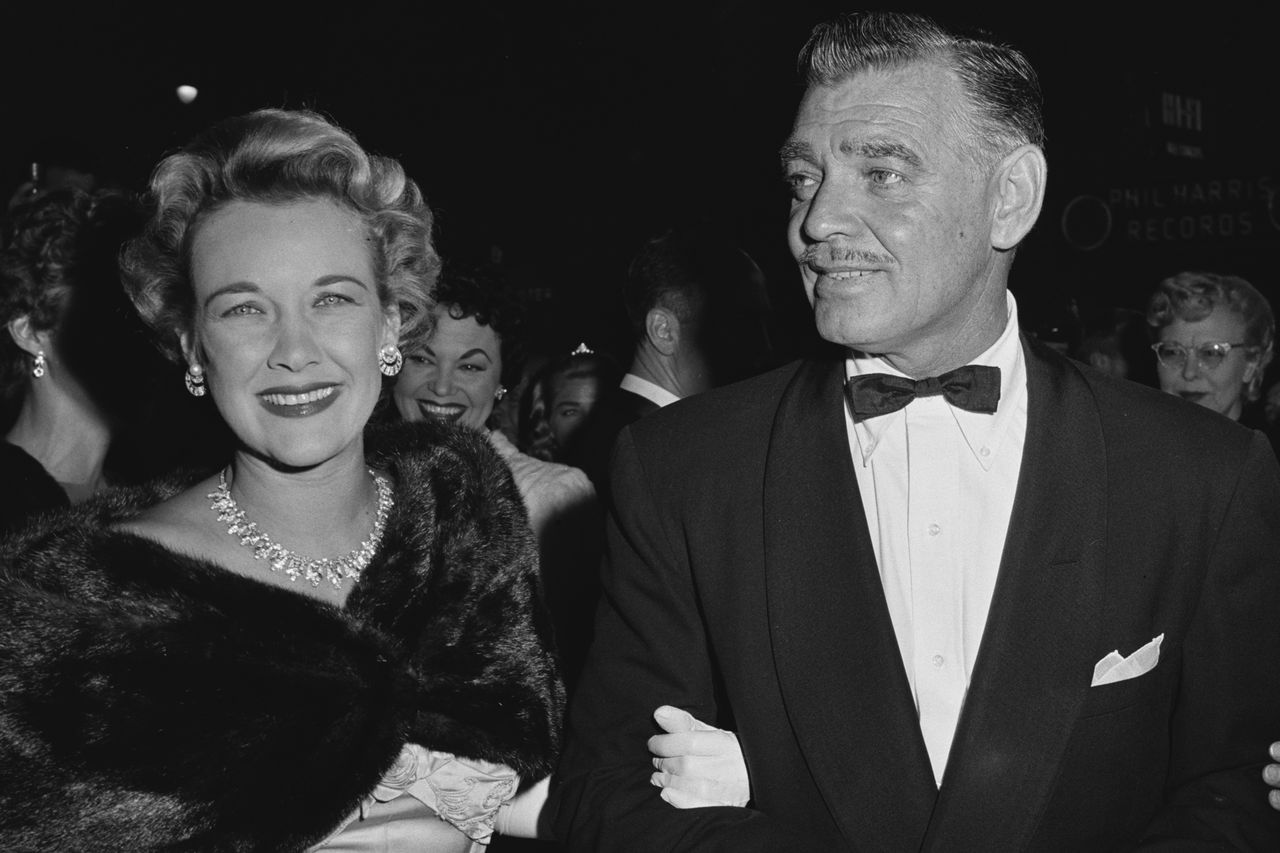
Fifth Wife: Kay Williams
Gable’s final marriage was to Kay Williams, an actress best known for her role in Thirty Seconds Over Tokyo. Unlike his previous marriages, this one began with a simple phone call. According to Williams’ memoir, Clark Gable: A Personal Portrait, they were never formally introduced. Instead, Gable simply called her on the phone.
The couple started as friends, and their relationship blossomed over time. They married in a private ceremony in 1955 and shared a five-year marriage before Gable’s death in 1960. Williams was pregnant with their first child at the time of his passing, and he died just four months before the birth.
A Life of Love and Loss
Clark Gable’s marriages reflect the highs and lows of a life lived in the spotlight. From the tragedy of losing his most famous wife to the quiet companionship of his final marriage, Gable’s personal life was as dramatic as the roles he played on screen. His legacy continues to captivate fans, offering a glimpse into the complexities of love, loss, and the enduring charm of the “King of Hollywood.”