





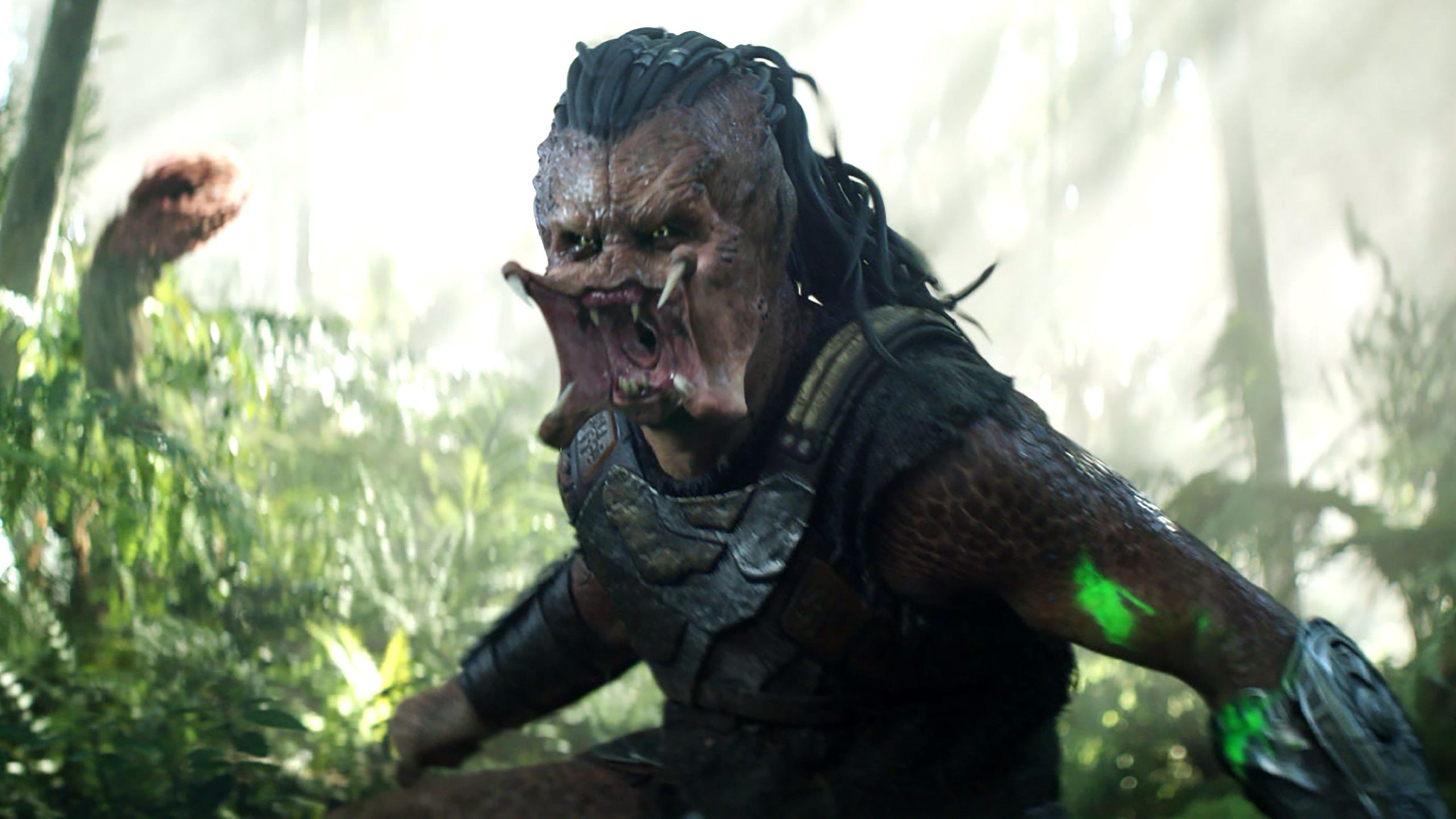


The Emotional Journey of Dek in Predator: Badlands
Predator: Badlands marks a significant shift in the Predator franchise by introducing Dek, the first Yautja protagonist that audiences can truly root for. Set on the alien planets of Yautja Prime and Genna, the film follows New Zealand actor Dimitrius Schuster-Koloamatangi as Dek, an outcast from his tribe who is determined to prove his worth to his Njohrr, his father and leader of the tribe. After his brother Kwei sacrifices himself to save him, Dek embarks on a mission to track down the supposedly unkillable Kalisk, learning new hunting techniques along the way and forming an unlikely friendship with damaged Weyland-Yutani synth Thia, played by Elle Fanning.
Directed by Dan Trachtenberg and written by Patrick Aison, the film has received largely positive reviews from critics. One of the standout elements praised is the emotional depth given to Dek, making him the franchise’s first-ever Yautja protagonist. Some have even compared this approach to the role of the T-800 in Terminator 2: Judgment Day, highlighting the character’s emotional journey and connection with the audience.
As the film continues to be a box office success, VFX Supervisor Sheldon Stopsack and Animation Supervisor Karl Rapley from Weta FX shared insights into the creation of Dek and the challenges involved in bringing the Yautja to life. Their work focused on using facial replacement rather than relying solely on prosthetics, which posed a unique challenge in making the audience empathize with the creature.
Karl Rapley reflected on the difficulty of creating an emotional response from the audience, recalling Arnold Schwarzenegger’s iconic line from the original Predator: “You’re one ugly mother effer!” He explained that the team had to find a balance between honoring the franchise’s history and pushing it forward, ensuring that Dek remained grounded yet emotionally expressive.
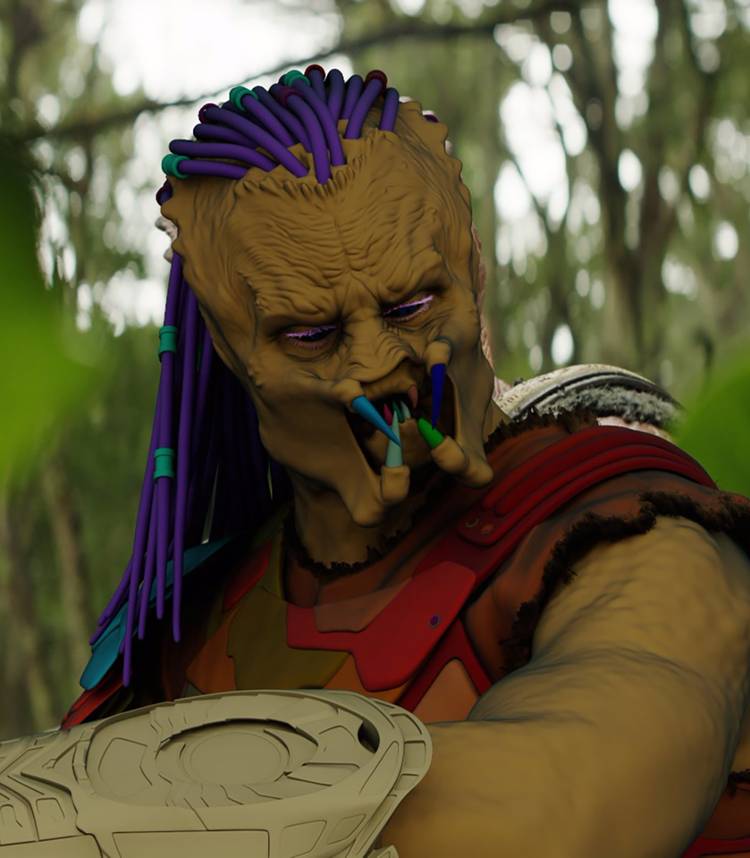

Rapley also highlighted the importance of finding “analogs of human expressions” to transfer across to Dek, noting that the process was both an interesting journey and one of trial and error. Ultimately, they found that “less was more” effective for much of Dek’s facial performances. The goal was to maintain a balance between the franchise’s legacy and innovation, avoiding a cartoony look while still allowing for emotional depth.
Sheldon Stopsack emphasized that while CGI played a significant role in Dek’s creation, practical prosthetic effects were still used to maintain authenticity. Early tests explored how much could be done practically versus with VFX, but it became clear that the demands of an emotional character required the use of CG.
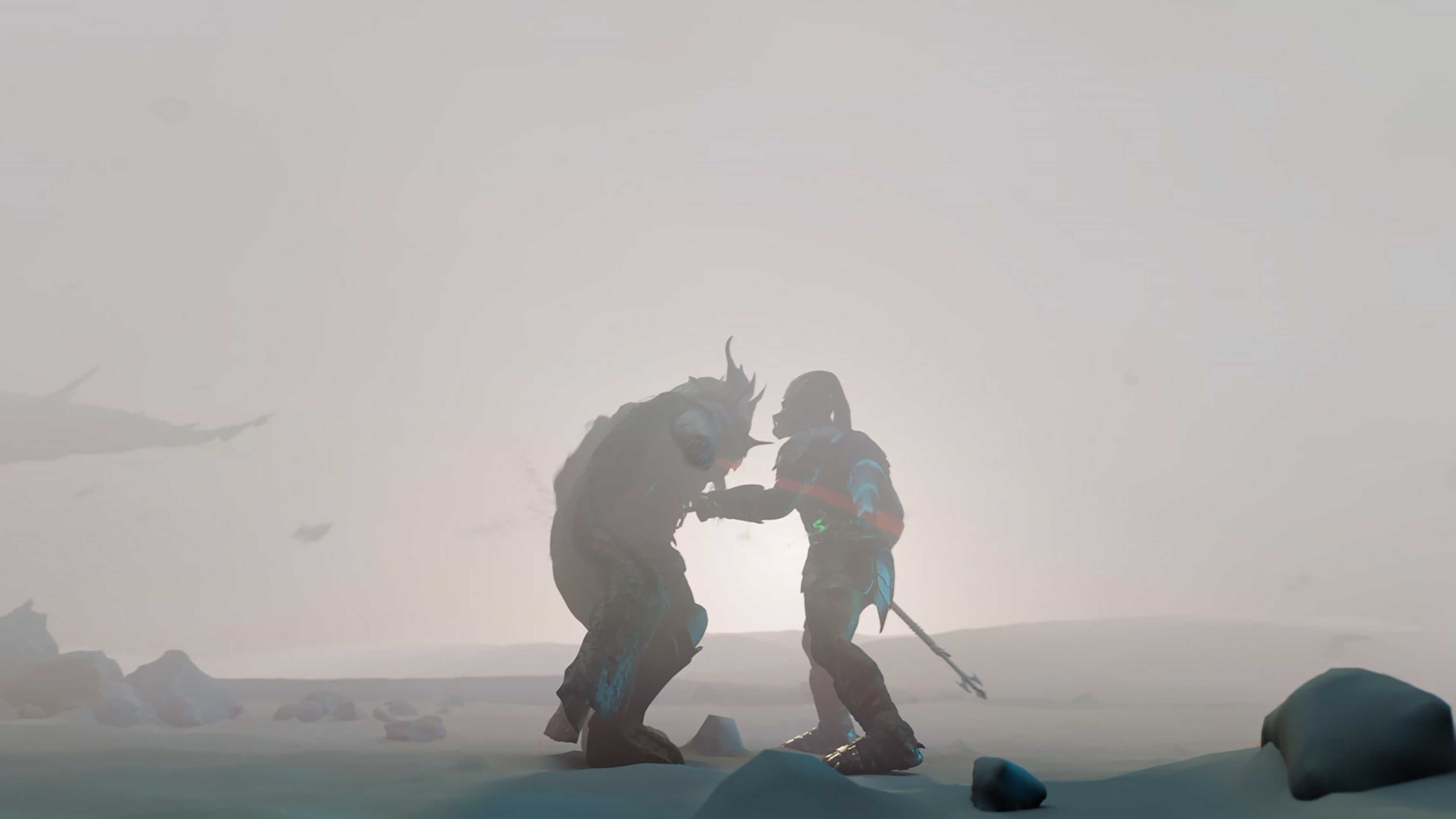

One of the most challenging aspects for the animation team was creating a character without lips and with mandibles, ensuring that the same consonants and sounds could be conveyed to the audience. A particular scene that Rapley is proud of is Dek’s crash landing on Genna, where he experiences a full range of emotions, from feeling beaten down to processing his brother’s death. This scene was a big task for the team, requiring a long take and commitment to the journey.
Stopsack noted that the crash scene allowed viewers to see a different side of Dek, starting with anger and vulnerability, gradually revealing a broader range of emotions. This helped ease the audience into understanding the Yautja’s emotional complexity.
Trachtenberg frequently spoke with Weta about his video game inspirations for Predator: Badlands. Karl Rapley mentioned that Dan was inspired by games like Destiny 2, referencing specific elements such as ice crystals. Stopsack added that Dan’s influence extended beyond film, drawing from the game universe to offer a fresh perspective.
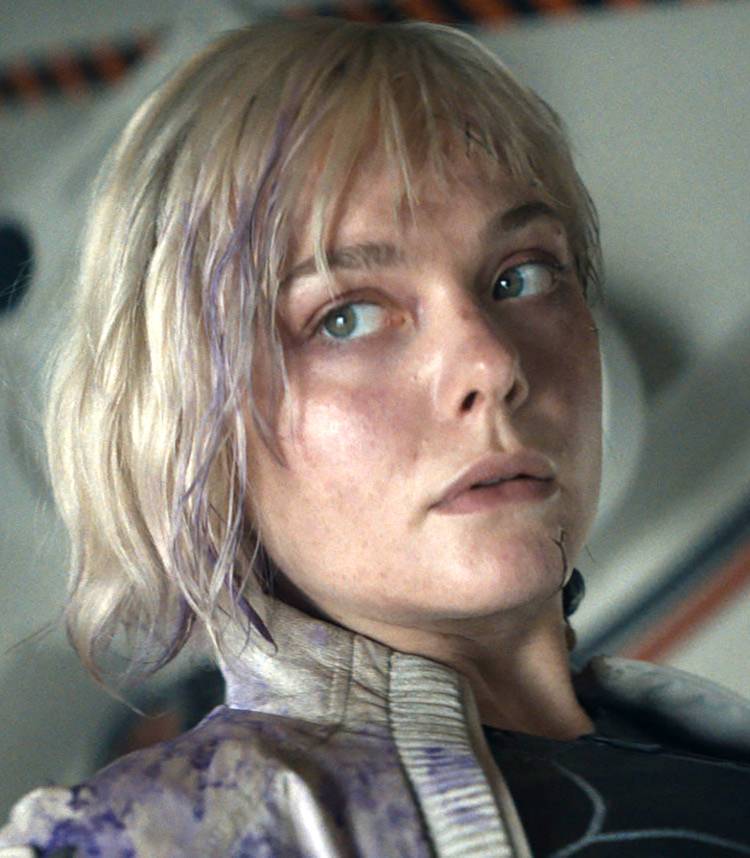
The film also features a comedic beat involving Thia trying to repair herself after a fight, which was handled by a different vendor. However, the sequence of Thia and Dek approaching the Kalisk’s environment was created by Weta. The comedy was achieved through visual shorthand, with Dek’s reaction to the Kalisk’s roar being a classic example of visual humor.
In the third act, Weta was involved in the fight between Thia’s upper body and her legs with the soldiers. The sequence was a mix of practical effects and CGI, with stunt performers playing key roles. The team aimed to capture as much as possible in-camera, using motion capture and practical stunts to enhance the action.
When it comes to body replacements, Karl Rapley explained that the animation team used motion capture to ensure the power of kicks and punches was felt. They relied on stunt performers and physicality to create believable action, balancing practical effects with CGI when necessary.
Overall, Predator: Badlands is a groundbreaking entry in the franchise, offering a fresh perspective with its emotional and visually stunning portrayal of the Yautja. The film is now in theaters, and fans are eager to explore more of its coverage.