







The Evolution of Science Fiction Through Time
Science fiction has always been a genre that pushes the boundaries of imagination. From exploring distant galaxies to delving into the depths of the human mind, it offers a vast array of storytelling possibilities. Over the years, certain films have not only captivated audiences but also shaped the trajectory of the genre itself. These ten essential science fiction films are pivotal in understanding how cinema has evolved and how they continue to influence modern storytelling.
Inception (2010)
Directed by Christopher Nolan, Inception is a film that challenges the very nature of reality. It follows Dom Cobb, a professional thief who infiltrates the subconscious of his targets. The film explores complex themes such as memory, grief, and perception, all while delivering an action-packed narrative. With a stellar cast including Leonardo DiCaprio, Joseph Gordon-Levitt, and Marion Cotillard, Inception is a masterclass in visual storytelling. Its philosophical depth and groundbreaking special effects have made it a landmark in modern cinema.
Back to the Future (1985)
A classic from the 80s, Back to the Future is a fun and engaging time-travel adventure. Directed by Robert Zemeckis, the film features Marty McFly, played by Michael J. Fox, who accidentally travels back to 1955. The film’s humor, memorable soundtrack, and clever use of time travel mechanics make it a standout in the sci-fi genre. Its success led to a multimedia franchise, proving that science fiction can be both entertaining and culturally significant.
Blade Runner (1982)
Ridley Scott’s Blade Runner is a visually stunning and thought-provoking film set in a dystopian future. It follows Rick Deckard, a blade runner tasked with hunting down rogue replicants. The film’s exploration of identity and humanity, combined with its noir aesthetic, has made it a cult classic. Based on Philip K. Dick’s novel Do Androids Dream of Electric Sheep?, Blade Runner continues to influence science fiction films and pop culture.
E.T. the Extra-Terrestrial (1982)
Steven Spielberg’s E.T. the Extra-Terrestrial is a heartwarming tale of friendship between a young boy and an alien stranded on Earth. The film’s emotional depth, combined with John Williams’ iconic score, has made it a beloved classic. Its focus on compassion and connection makes it a perfect introduction to science fiction for younger audiences.
The Matrix (1999)
The Wachowskis’ The Matrix revolutionized science fiction with its blend of action and philosophy. The film follows Neo, a computer hacker who discovers that reality is a simulation. With its groundbreaking special effects and deep exploration of free will and reality, The Matrix became a cultural phenomenon. Its influence can still be seen in modern cinema.
Metropolis (1927)
Fritz Lang’s Metropolis is a pioneering silent film that laid the groundwork for many science fiction themes. Set in a futuristic urban dystopia, the film explores class warfare and the need for balance between intellect and labor. Its art deco visuals and timeless message make it a must-see for any science fiction enthusiast.
Close Encounters of the Third Kind (1977)
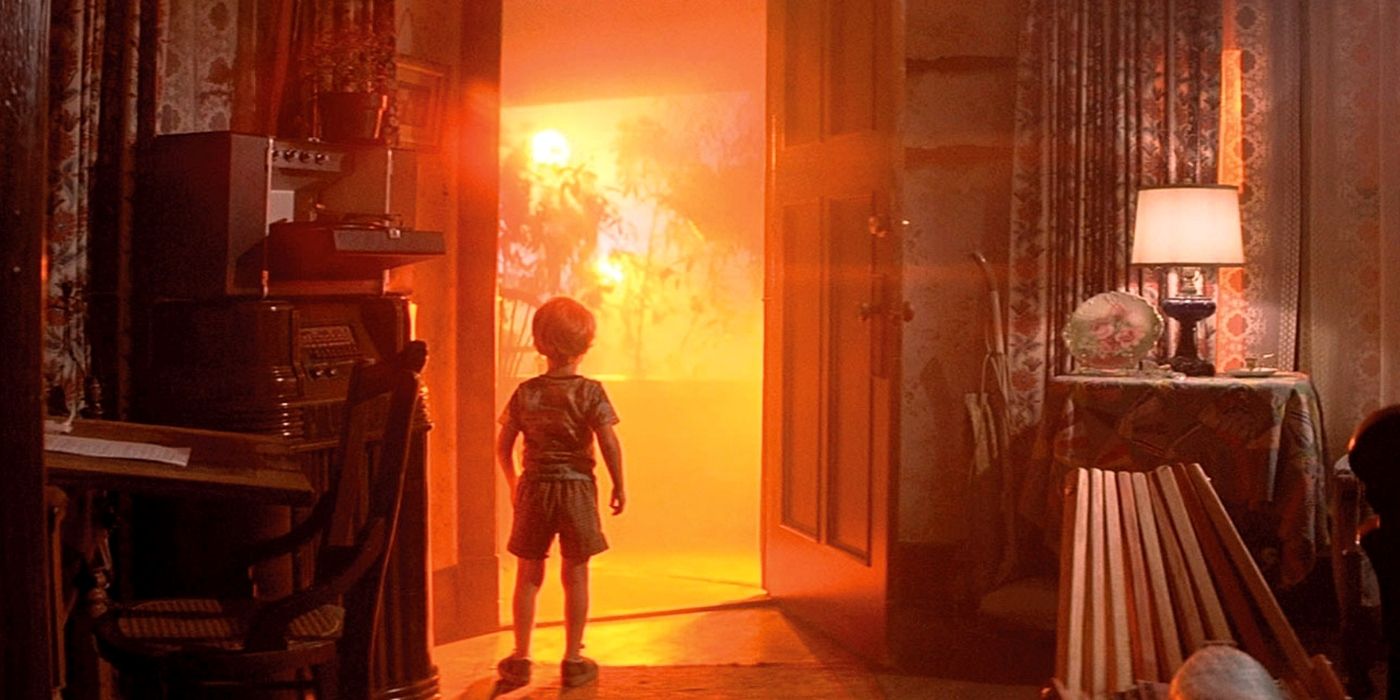
Steven Spielberg’s Close Encounters of the Third Kind is a celebration of curiosity and wonder. The film follows Roy Neary as he encounters a UFO and embarks on a journey to understand the unknown. Unlike many alien films, it presents extraterrestrials in a positive light, emphasizing the potential for peaceful contact.
Alien (1979)
Ridley Scott’s Alien is a terrifying space horror film that redefined the genre. The story follows a crew of astronauts who encounter a deadly extraterrestrial creature. Its suspenseful atmosphere and unforgettable performances, particularly by Sigourney Weaver, have made it a classic in the sci-fi horror category.
Star Wars (1977)
George Lucas’s Star Wars is a landmark in science fiction cinema. It introduced the world to the Force, epic space battles, and iconic characters like Luke Skywalker and Darth Vader. The film’s impact on popular culture is immeasurable, and its legacy continues to thrive through various sequels and spin-offs.
2001: A Space Odyssey (1968)
Stanley Kubrick’s 2001: A Space Odyssey is a cinematic masterpiece that explores humanity’s evolution and the mysteries of the universe. With its groundbreaking special effects and enigmatic narrative, the film remains a cornerstone of science fiction. Its themes of technology, artificial intelligence, and human progress continue to resonate with audiences today.
These ten films represent the essence of science fiction and its ability to inspire, challenge, and entertain. They have shaped the genre and continue to influence new generations of filmmakers and fans alike. Whether you’re a longtime fan or just discovering the world of sci-fi, these films are essential viewing.