





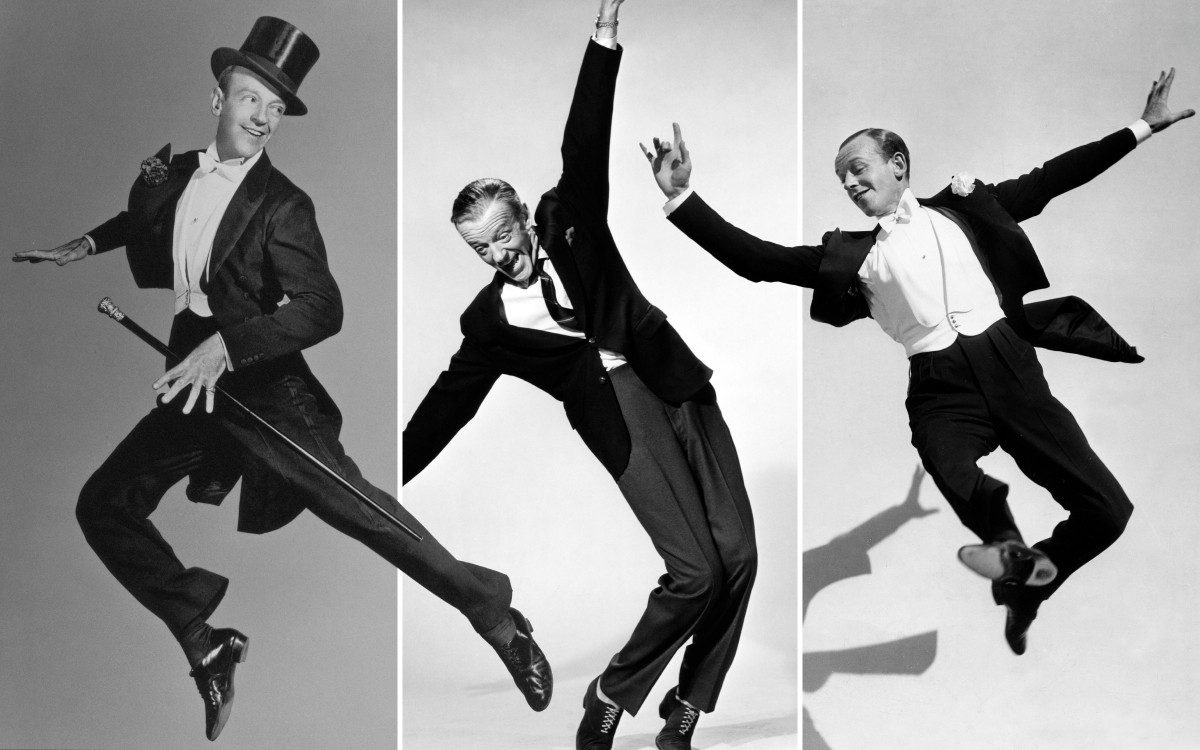


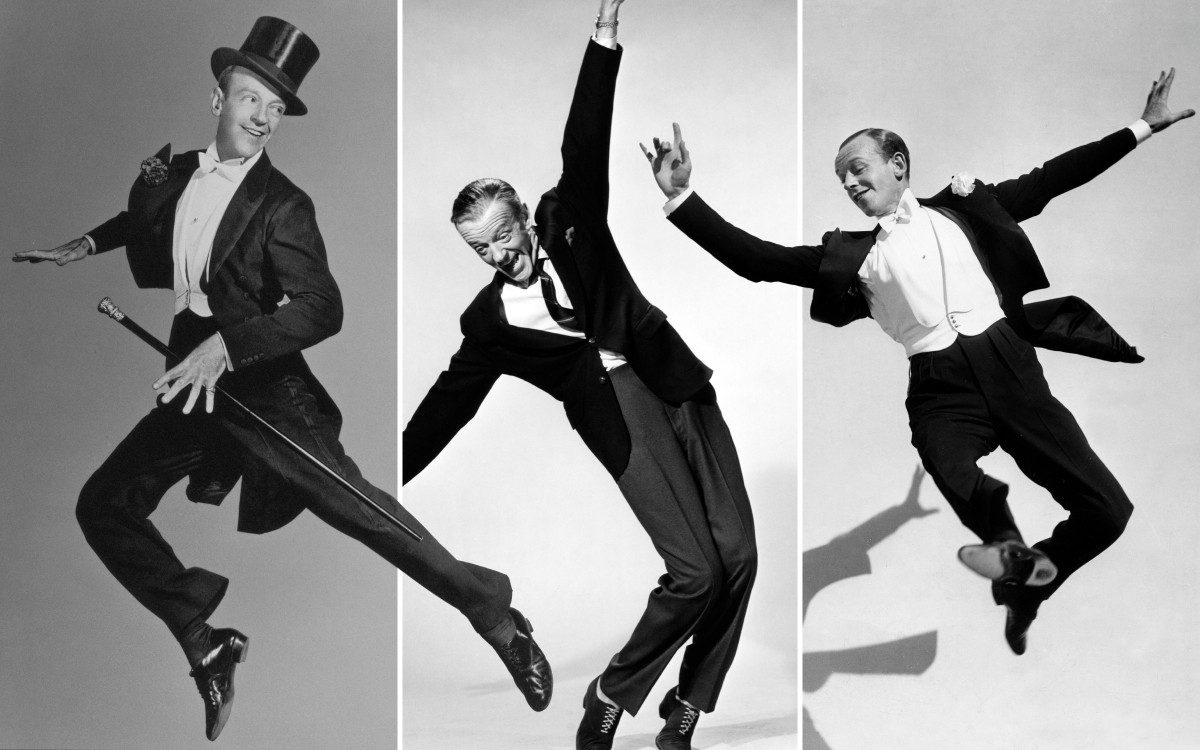
Fred Astaire, known for his iconic performances in Hollywood films like Top Hat and The Band Wagon, seemed to live a life of elegance and grace. However, behind the scenes, he had a complex personal life filled with unique habits and unexpected events. His partnership with his sister Adele, who was instrumental in launching his career, ended abruptly, and his health obsessions added another layer to his enigmatic personality.
Tom Holland, the star of Spider-Man, is eager to portray Fred Astaire in a biopic. Holland has already showcased his dancing skills in productions like Billy Elliot on the West End and in a viral Lip Sync Battle performance that has garnered over 168 million views. Playing a legendary figure like Astaire could be a stepping stone to Oscar recognition.
However, there’s a major hurdle. Fred Astaire’s widow, Robyn, 81, has issued a legal warning to Sony, the producers of the film, stating that her husband explicitly stated in his will that he did not want his life story to be portrayed on screen. This decision adds a layer of complexity to the project, as it raises questions about the authenticity of the portrayal and the rights of the family.
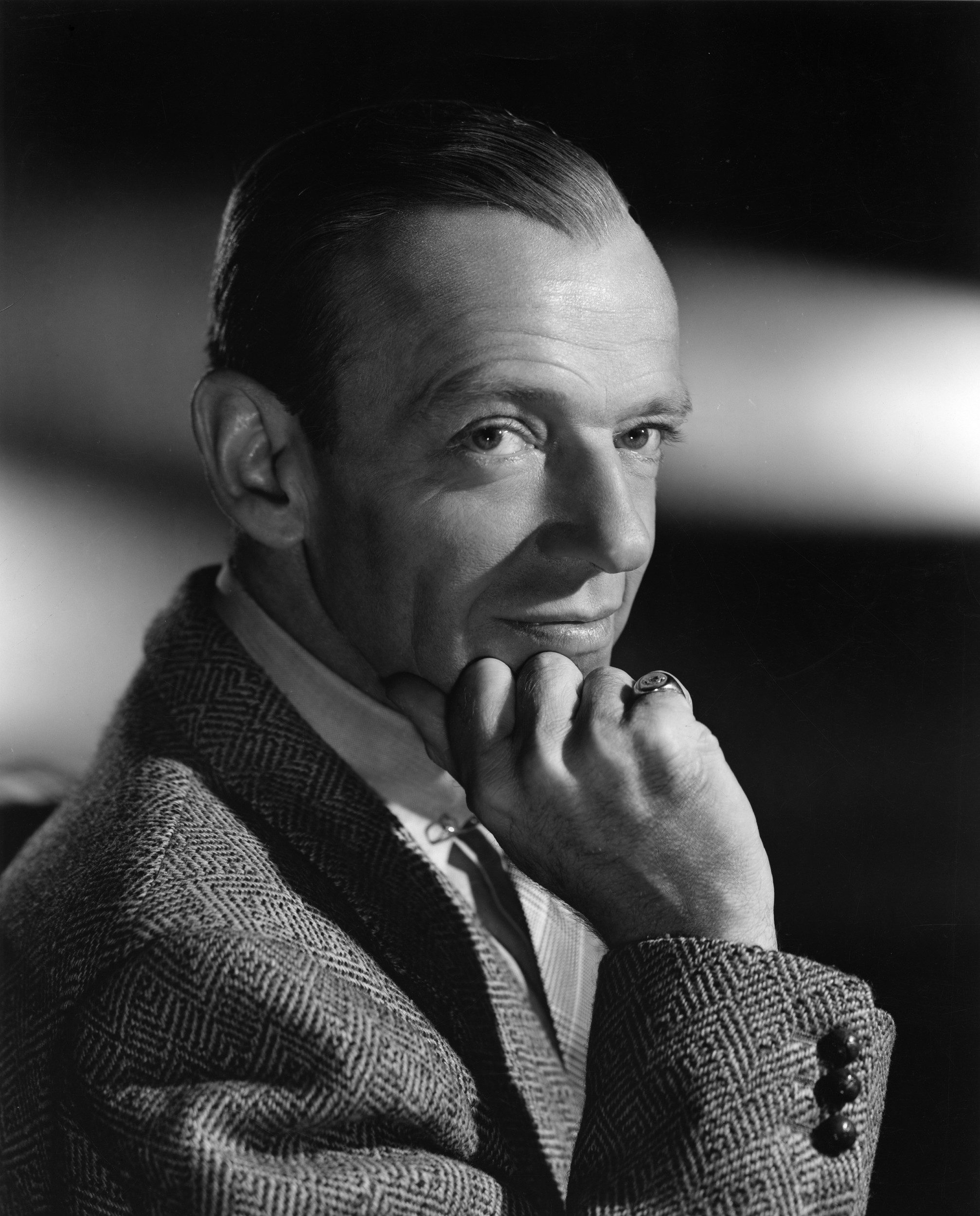

This development is disappointing not only for Tom Holland but also for movie fans who were hoping to see a new perspective on Astaire’s early life. The proposed biopic would focus on his time in vaudeville with Adele, a period that is less well-known than his later work with Ginger Rogers.
Adele was the one who first introduced Fred to the world of performing. Born three years apart, the siblings came from an Austrian immigrant family in Omaha, Nebraska. Their mother, Ann, recognized Adele’s talent and enrolled her in dance school, while Fred refused to attend. Instead, he practiced in secret at home.
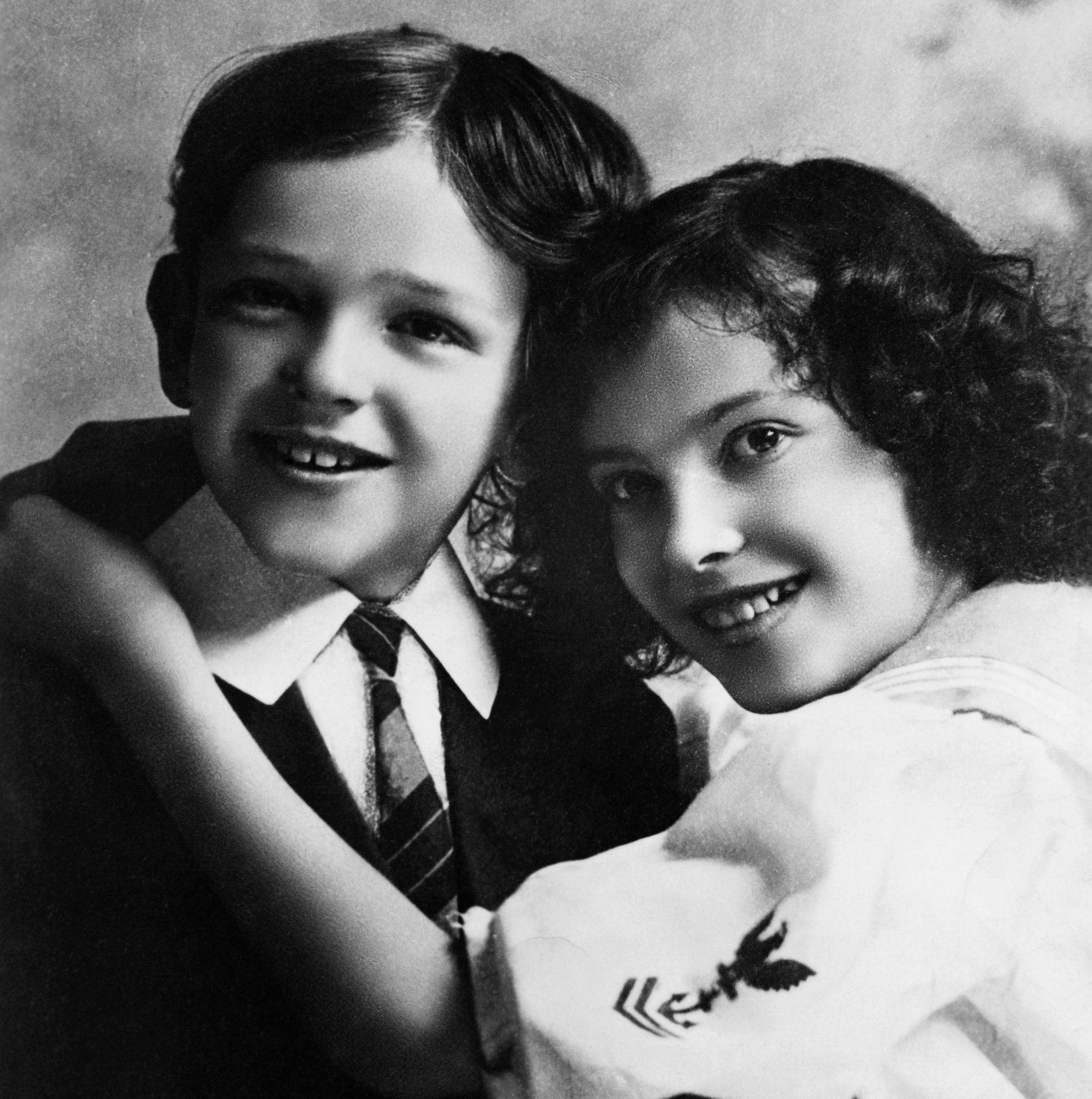

Vaudeville acts were popular during this era, and their mother saw an opportunity for a better life. In 1905, when Fred was five and Adele eight, they moved to New York and changed their surname from Austerlitz to Astaire, a name that evoked brilliance and stardom. Their first professional act involved dressing as a bride and groom, dancing on two large wedding cakes while activating electric lights. Fred wore a top hat, a symbol that would become synonymous with his image.
The duo quickly became a hit, praised by critics as the greatest child act in vaudeville. They had contrasting personalities: Adele was outgoing and confident, while Fred was more reserved and perfectionistic. Adele nicknamed him “Moaning Minnie” due to his anxious nature.
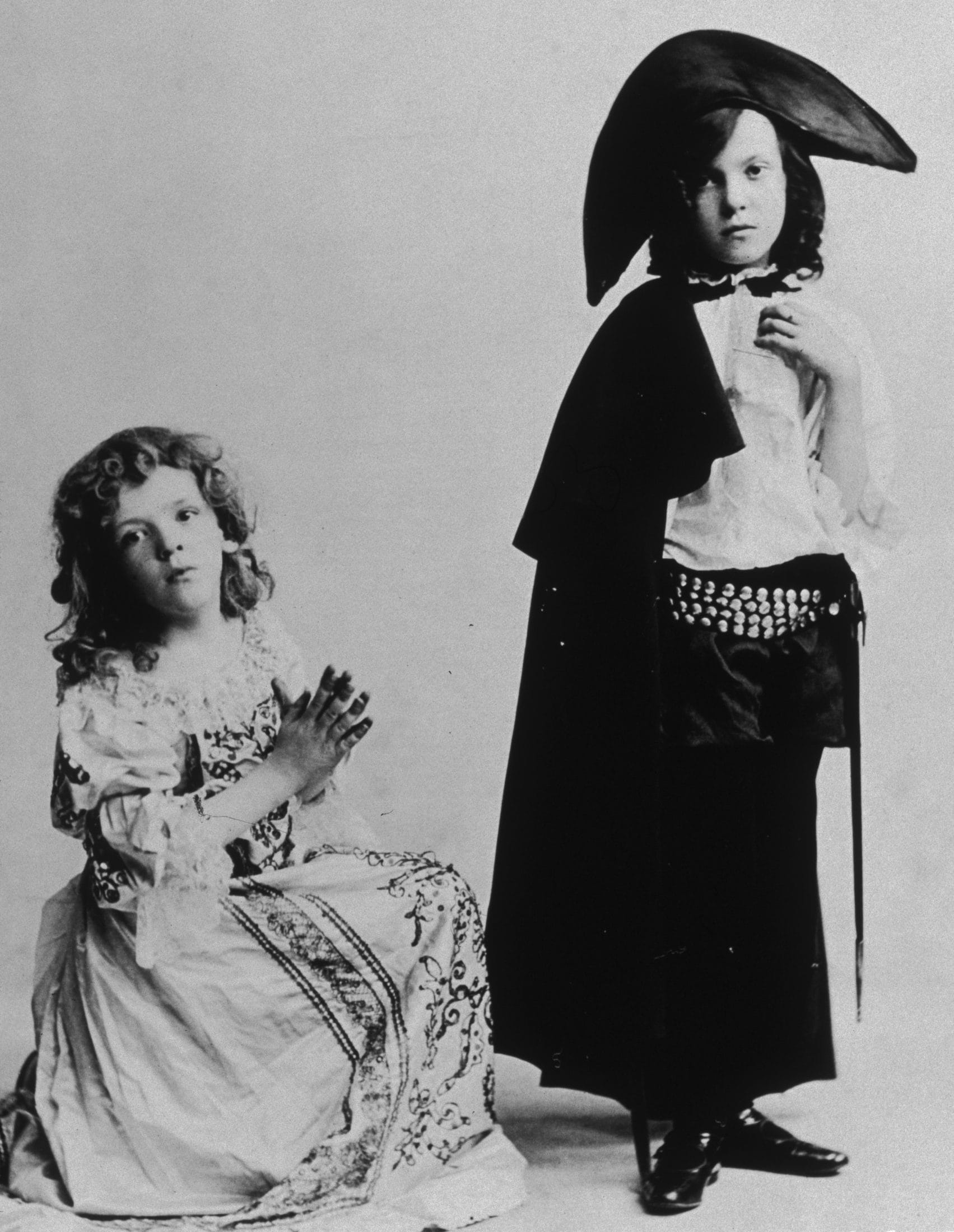

Their first Broadway show, Over the Top, was a patriotic revue aimed at boosting troop morale. Later, in The Love Letter, they introduced the “runaround” exit, which became their signature move. Noël Coward was so impressed that he encouraged them to perform in London, where they gained even more acclaim.
However, their partnership came to an end in 1928 when Adele met Lord Charles Cavendish, leading to her retirement in 1932. This left Fred to adapt to new partners, including Claire Luce, who criticized his lack of passion. Despite this, it opened the door for his successful Hollywood career.
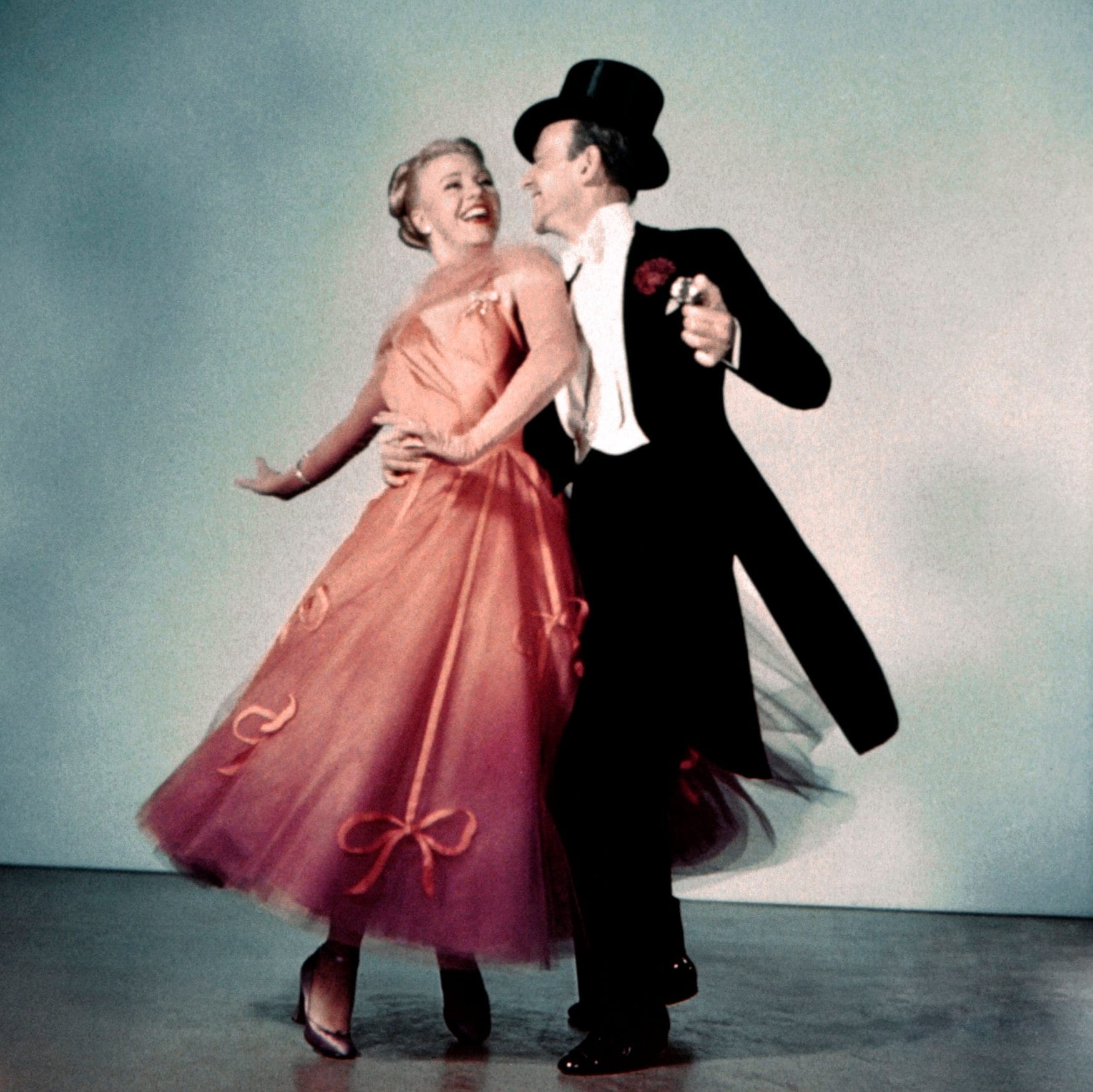

Astaire’s collaboration with Ginger Rogers proved to be a golden era. Their films, such as Flying Down to Rio, Top Hat, Swing Time, and Shall We Dance, offered escapism during the Depression. What made their performances special was the seamless integration of dance into the plot, unlike other choreographers who relied on elaborate set-pieces. Astaire insisted on long tracking shots to capture every detail of the dance.
Rogers brought glamour and allure to their partnership, balancing Astaire’s effortless charm. As Katharine Hepburn noted, “He gives her class and she gives him sex appeal.” Their chemistry helped solidify Astaire’s status as a Hollywood legend.
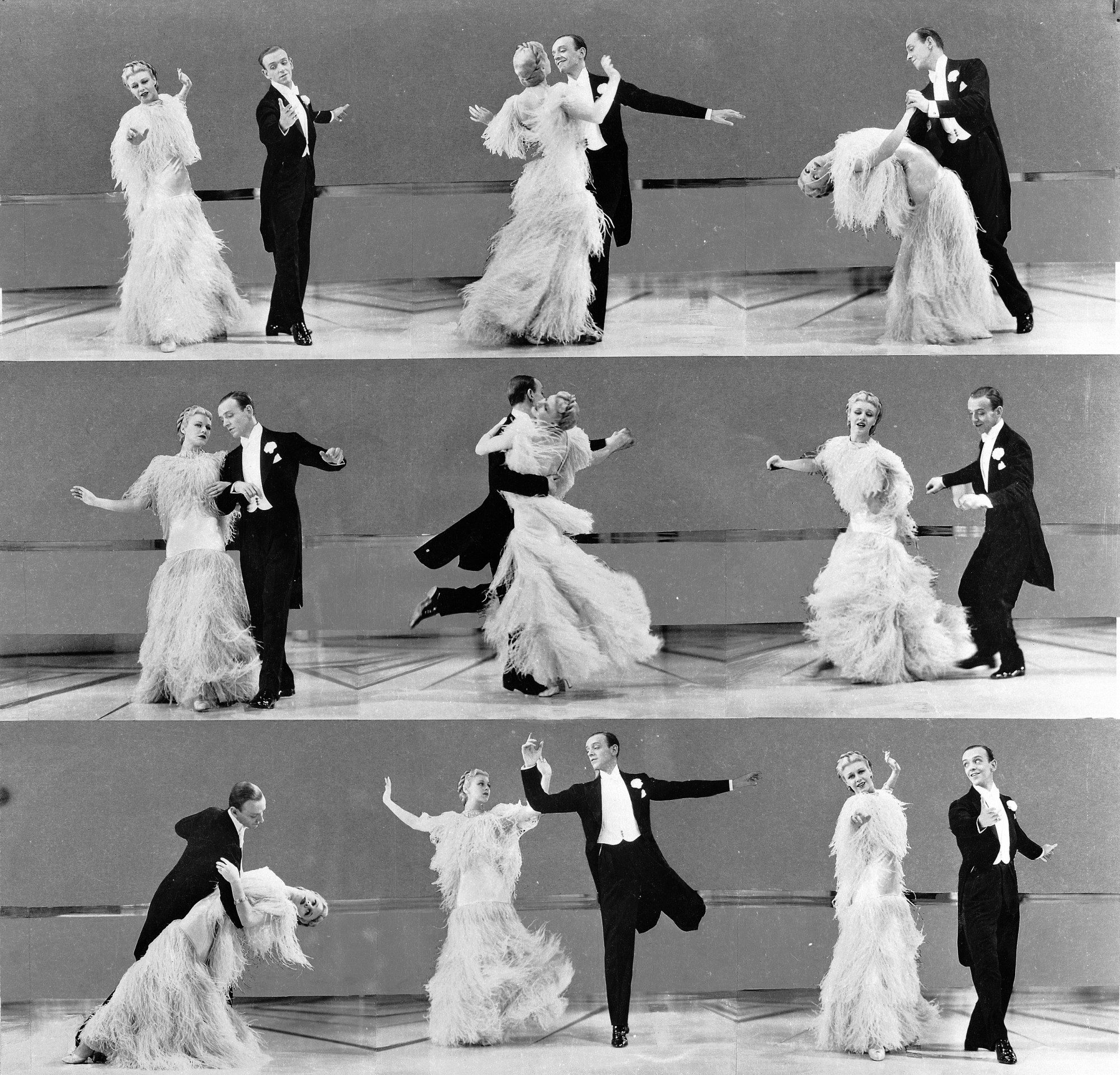

Astaire was known for his intense dedication to his craft, often working for 10 hours a day. His relentless pursuit of perfection led to a famous incident in Swing Time where Rogers found her shoes full of blood after 48 takes. He once said, “I’ve never yet got anything 100 per cent right.”
Despite his fame, Astaire remained an enigma. He avoided interviews, claiming, “I’m not interesting, I’m just a dancer,” and preferred staying home rather than attending parties. His eccentricities included a strict morning routine, rising at 5am and eating a single boiled egg to maintain a weight of exactly 134lb. Surprisingly, he also took up skateboarding at 78, though it resulted in a broken wrist.
Astaire married twice: first to Phyllis Potter in 1933, and later to Robyn Smith, 45 years his junior. She now serves as the guardian of his legacy, making any biopic about him a challenge. While a film featuring Jamie Bell as Astaire is also stalled, his cinematic works remain a lasting tribute to his extraordinary talent.