






The Western Genre and the Legacy of Sergio Leone
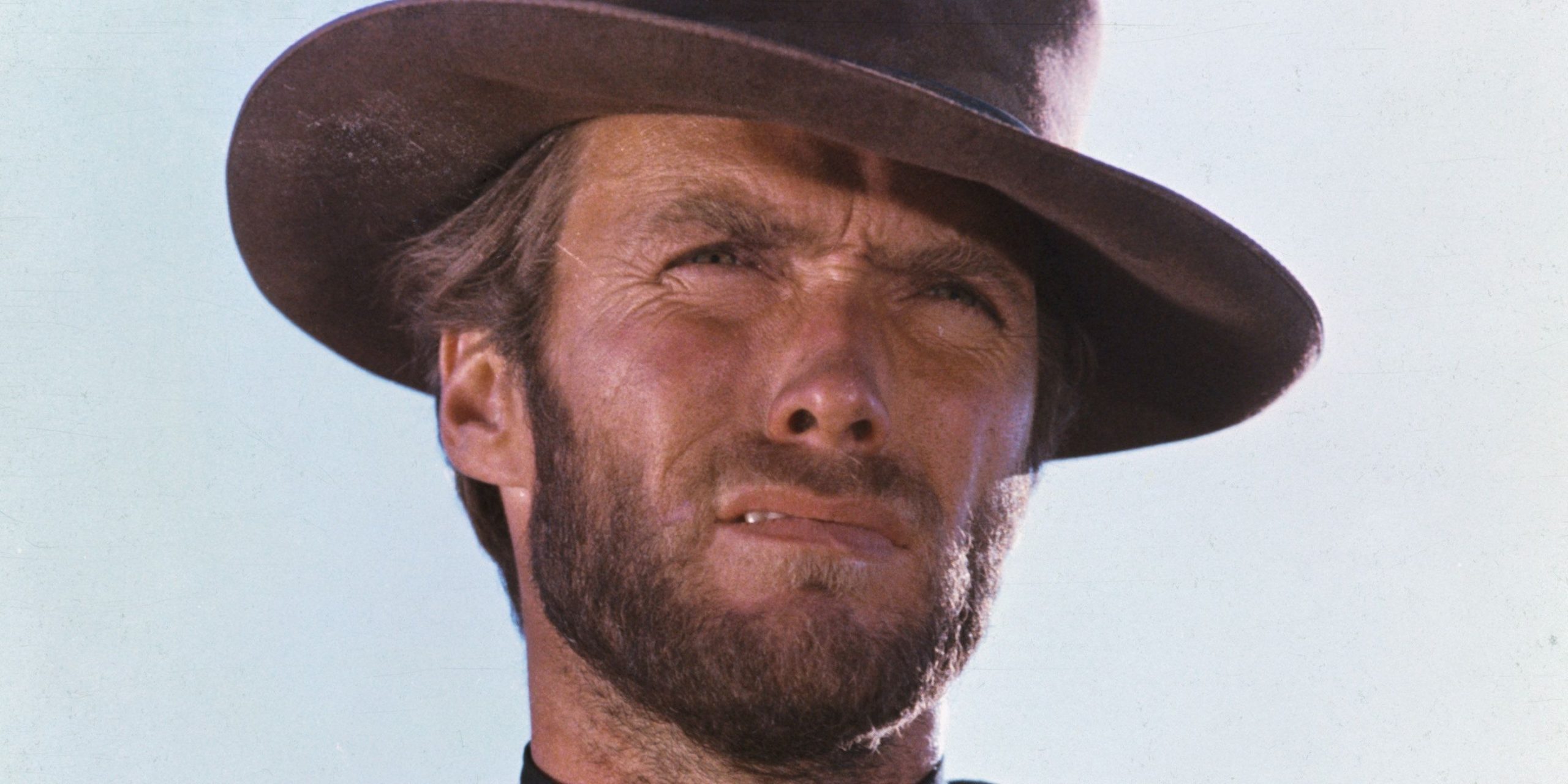
The Western genre has long been associated with iconic imagery, from cowboys walking through swinging saloon doors to the legendary gunslinger portrayed by Clint Eastwood in films like The Good, the Bad and the Ugly. One of the most memorable aspects of the genre is the climactic showdown between hero and villain. In 1966, Sergio Leone demonstrated how to execute this moment perfectly, and his iconic ending remains unmatched to this day.
As a director who redefined the Western on film, Sergio Leone was known for his meticulous storytelling. He crafted masterful scenes that included stylish character introductions and heart-pounding standoffs. His ability to transition seamlessly from one scene to the next ensured that his stories would endure for decades. Above all, he was a storyteller who knew how to end a movie effectively, whether it was Once Upon a Time in the West or A Fistful of Dollars. In 1966, he worked with Clint Eastwood to create what is now considered the greatest scene of his career, a showdown that still captivates audiences fifty-nine years later.
The Dollars Trilogy Changed Westerns Forever
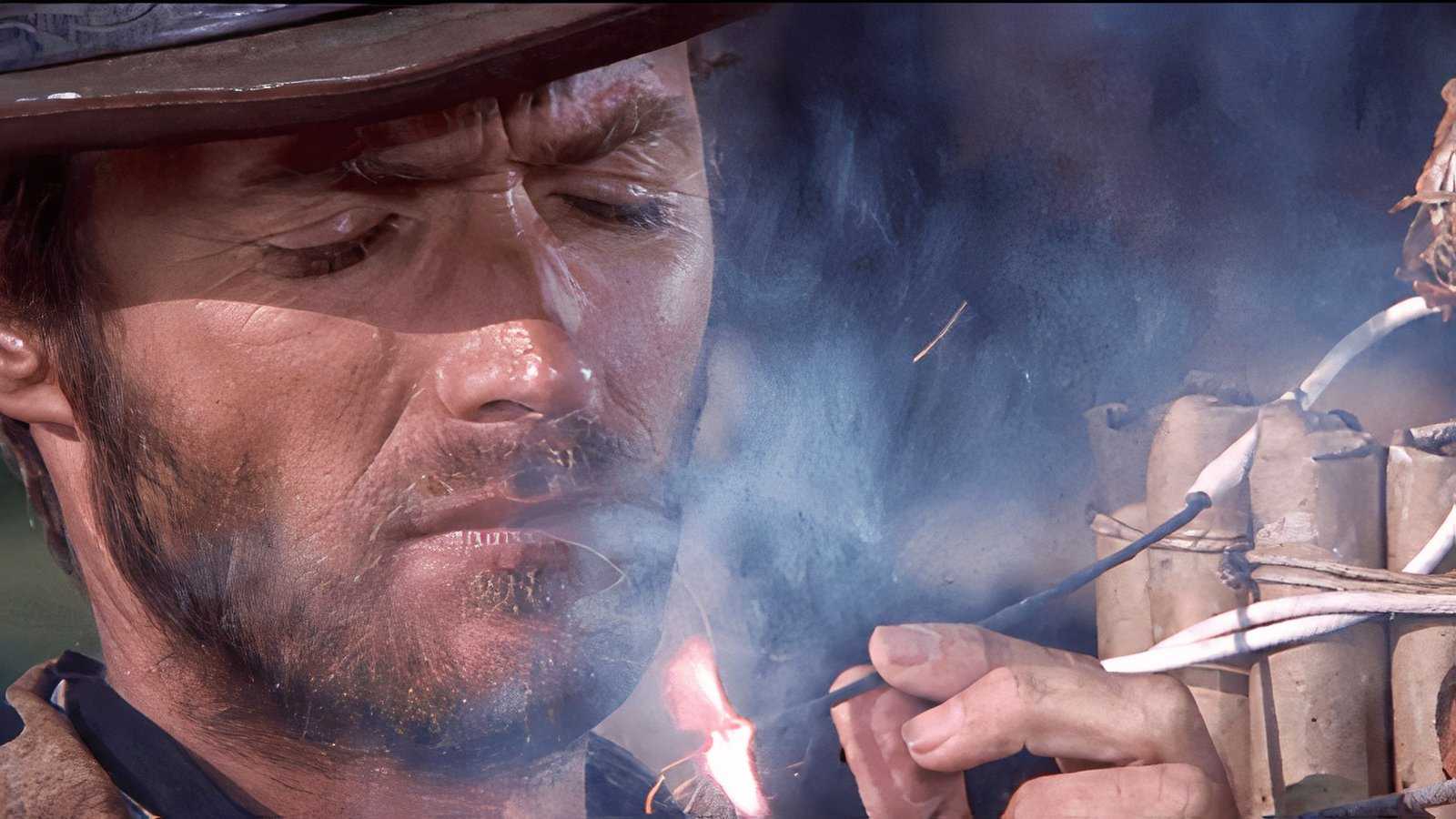

Beginning in 1964, Sergio Leone began reimagining the American Western with A Fistful of Dollars. This film followed the Man With No Name as he entered the small town of San Miguel, where he saw an opportunity to profit by playing two rival families against each other. With the Rojos bandits on one side and the corrupt Baxter lawmen on the other, he incited an escalating conflict, only to find himself caught in the middle.
The second installment in the trilogy, For a Few Dollars More, saw the Man With No Name team up with Colonel Mortimer, a fellow bounty hunter, to track down the notorious gang leader El Indio. This film, one of the few buddy Westerns, surpassed its predecessor in every way possible.
However, it was The Good, the Bad and the Ugly (1966) that marked Leone’s magnum opus. In this film, Eastwood’s antihero, known as Blondie, partners with Tuco, an outlaw, to scam towns out of their bounty cash. After betraying his friend, Blondie is taken into the desert for execution. However, they encounter a dying Confederate soldier who reveals half of the location of a buried gold stash in a war cemetery. With Tuco knowing the name of the graveyard and Blondie knowing the name of the grave, the only obstacle between them and their fortune is the ruthless mercenary Angel Eyes.
The Dollars Trilogy revolutionized cinema, paving the way for more action-driven Westerns and changing the Hollywood style. Directors such as Steven Spielberg, Quentin Tarantino, Martin Scorsese, and Frank Miller have cited everything from the title credits to the use of music as inspiration for their own works. For those interested in understanding the shift from “Old Hollywood” to modern cinema, these films are essential viewing.
The Good, the Bad and the Ugly Climaxes With the Ultimate Showdown
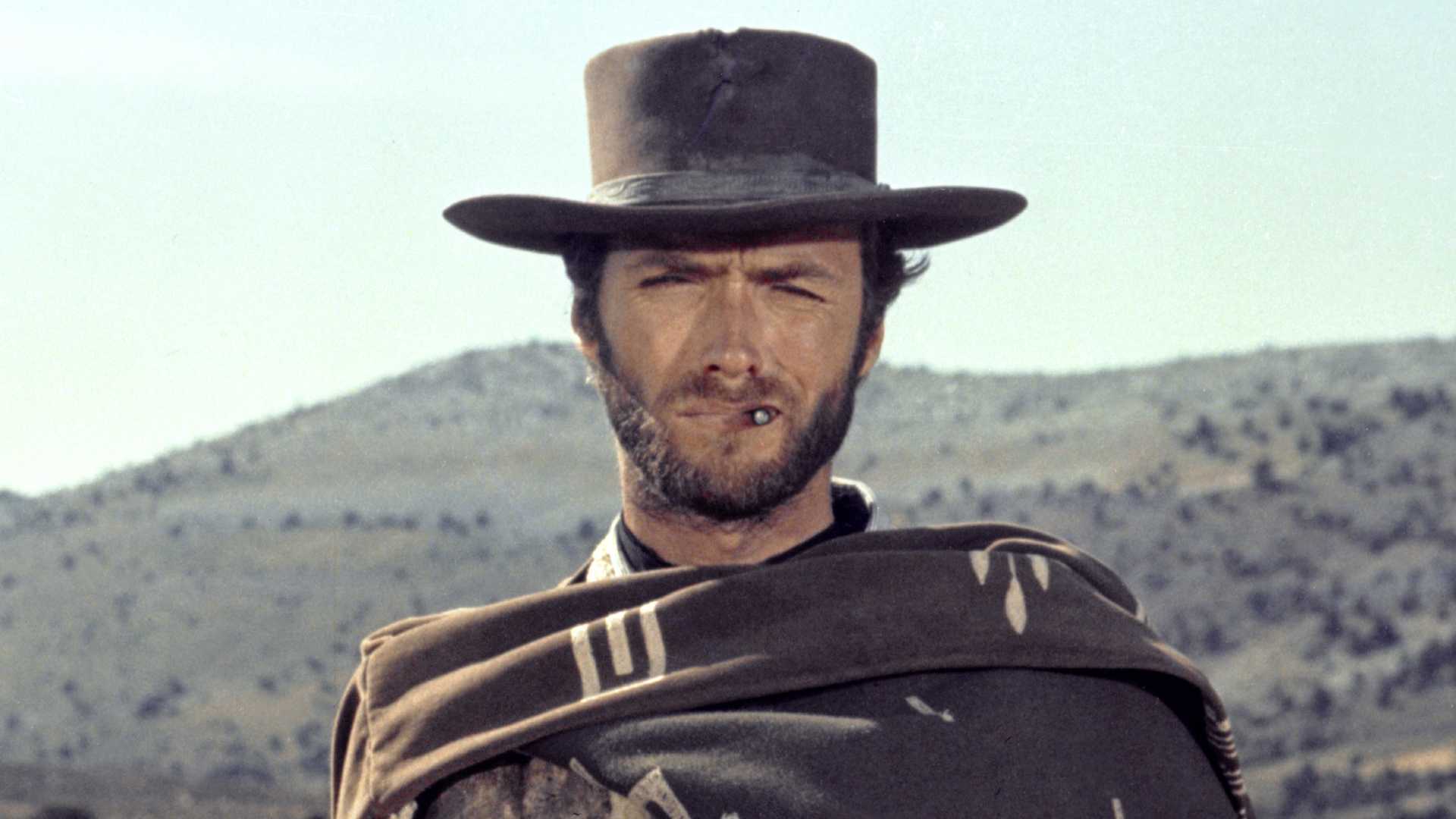

The Good, the Bad and the Ugly features three characters who take on each other throughout the film, establishing them as some of the West’s best gunslingers. Unable to trust each other, the story reaches its climax at a graveyard where Blondie holds Tuco at gunpoint, only for Angel Eyes to do the same to him.
As the only one who knows where the gold is buried, Blondie proposes a solution: he will carve the name on a rock, and whoever wins a three-way duel gets the gold. As Ennio Morricone’s score builds, the trio takes their positions at the center of the cemetery, hearts racing as they prepare to draw.
The scene itself was destined to be great, but Leone’s direction and Morricone’s music elevate it to another level. The camerawork becomes increasingly intense, flashing quicker and closer between the men, moving from wide shots to close-ups of their frantic eyes.
When the pistols are finally drawn, the audience almost roots for all three men, even respecting Angel Eyes despite his brutality. The scene is a testament to honor among thieves and the quiet code by which all Hollywood gunslingers adhere, something Leone helped pioneer for cinema.
Throughout the film, Leone ensures that viewers understand the skills of all three main characters, leaving no doubt that any one of them could be a match for the others. Despite being sure that Blondie can’t be beaten, the tension is palpable as viewers watch the moment of pure uncertainty and anticipation to see who will draw first. When the fatal shot is fired, there is nothing but respect for all three characters.
In the film’s cast, three men bring the Wild West to life. Clint Eastwood is the perfect antihero, a rugged man of dubious moral character who lives by his own code. Eli Wallach portrays the chaotic outlaw Tuco, a survivor who is always underestimated. Lee Van Cleef delivers a career-best performance as the merciless assassin Angel Eyes, a man with the mind of a detective who understands the nature of the West. Their clash is sheer perfection.
Ennio Morricone Helped Make the Film Legendary
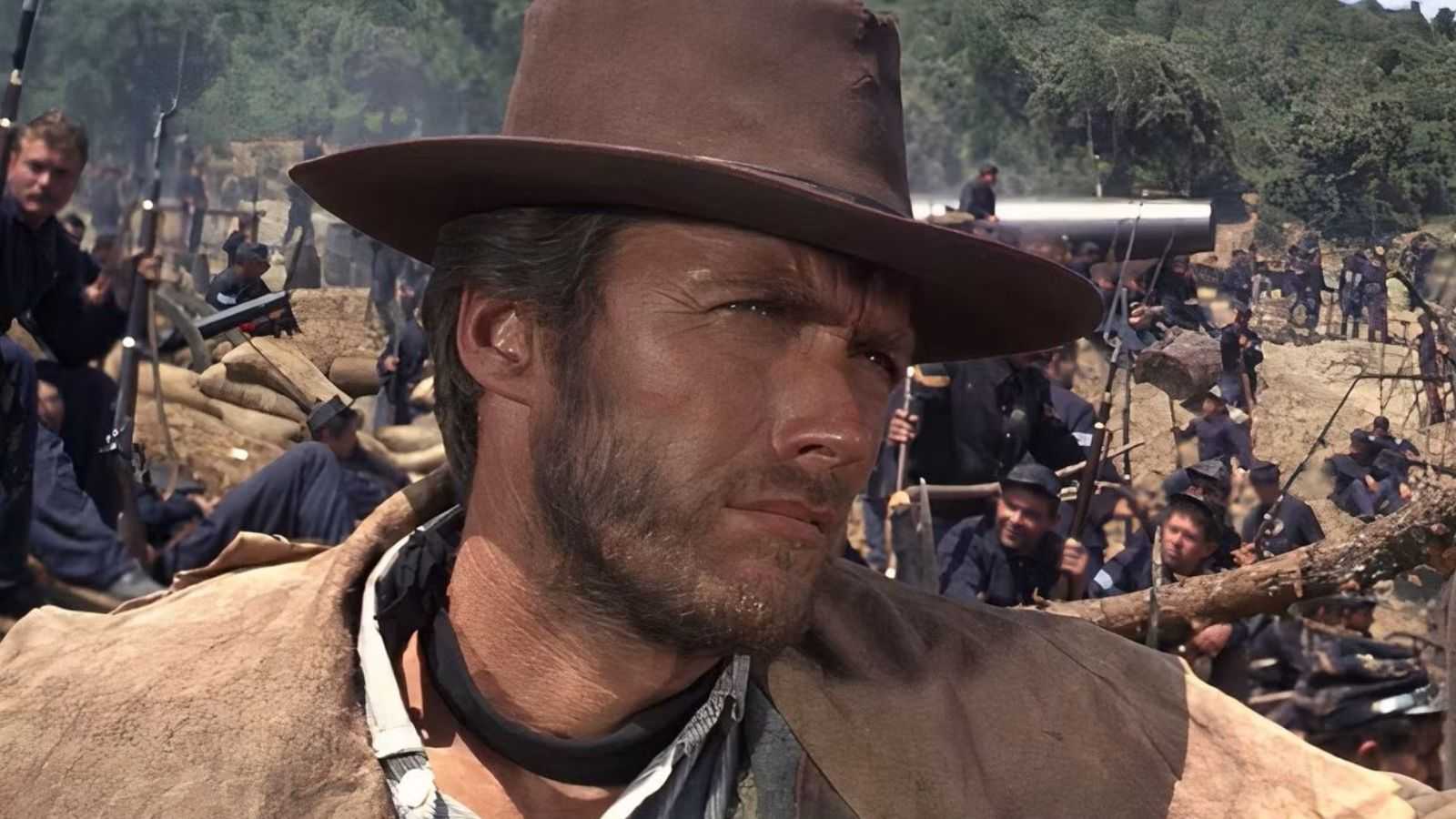
One of the key elements that elevate The Good, the Bad and the Ugly is Ennio Morricone’s legendary soundtrack, which serves as a character in its own right. After being enthralled by the sight and sound of Tuco running through rows of headstones to the sound of “Ecstasy of Gold,” Morricone’s music changes as the men take their positions. Here, there is no action, and it takes a full five minutes before the first shot is fired. It’s up to Morricone to fill that space with his piece “The Trio,” turning Leone’s flashing shots into pure perfection.
Always using music to define characters and elevate scenes, Morricone was as integral to Leone’s success as anyone else. It’s hard to imagine the genre without his contributions over the decades. From A Fistful of Dollars to being the only composer Quentin Tarantino trusted to score The Hateful Eight in 2015, cinema would not have been the same without him.
Morricone’s work spans everything from Malena to Frantic, leaving his mark on every decade and genre. His work on The Good, the Bad and the Ugly is still considered some of his greatest, giving a theme to the West itself. Here, he showed the world how a soundtrack could be as integral to a film’s success and legacy as story, cast, and cinematography.
A scene like the standoff between the trio would otherwise be hard to enjoy without a score so perfectly suited for “The Trio.” In silence, it might have felt realistic, but it would have dragged on too long. In the hands of a lesser composer, it might have felt pretentious. Under Morricone, it became a masterpiece in its own right, almost existing as a standalone scene that works without the rest of the film behind it.
The Dollars Trilogy Mythologized the West
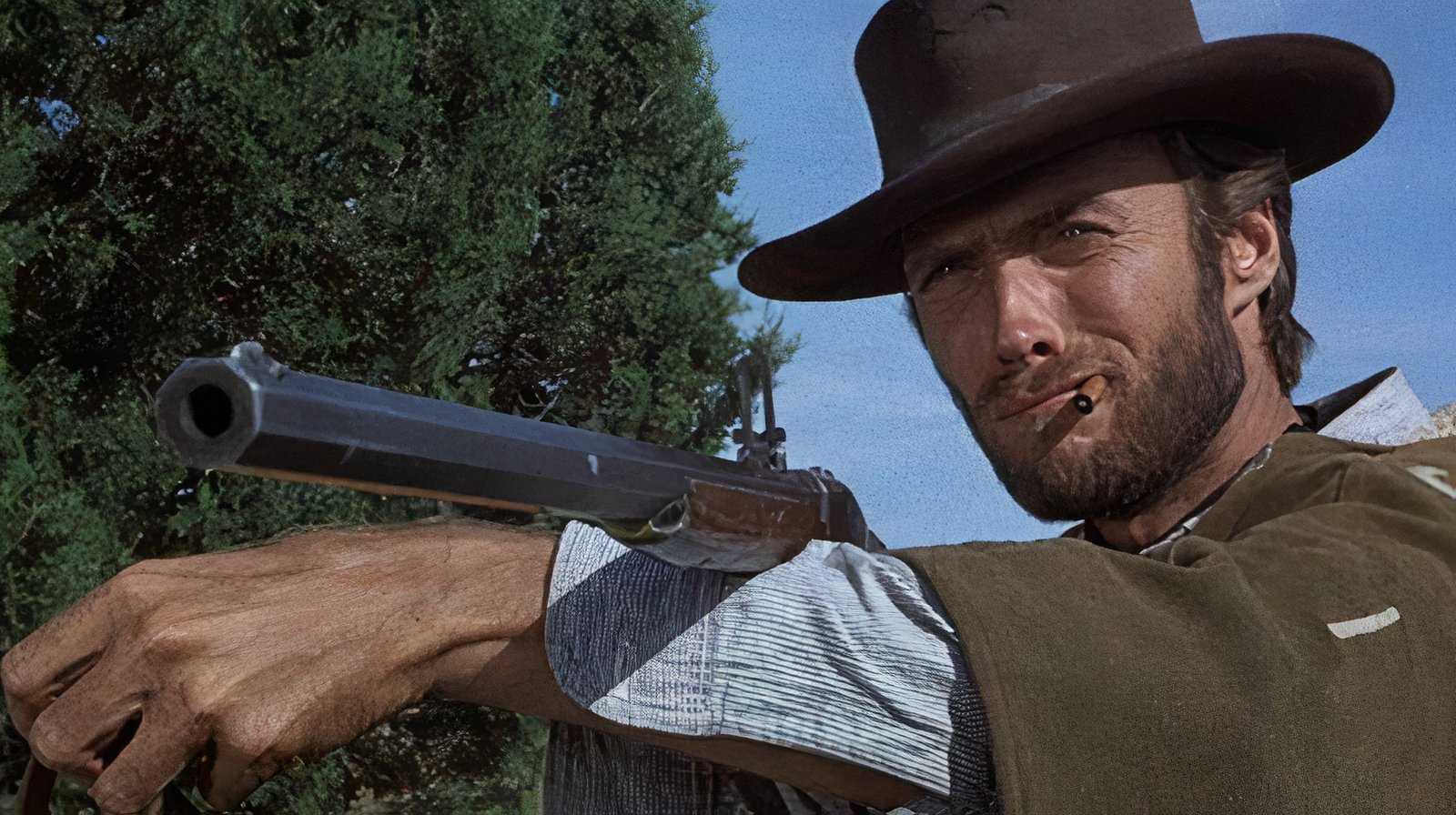

Above all, Leone aimed to transform the Western into its own type of mythology. This journey began with films like Three Godfathers and Shane, which treated their gunslinger heroes like characters from fables rather than attempts at realism. What started decades earlier was perfected in The Good, the Bad and the Ugly, a film that stands as a triumph of cinematography, writing, musical composition, and action. As true a masterpiece as it gets, the film was made flawless by its ending, which found a way to conclude all three characters’ stories on the perfect note.
The Dollars Trilogy serves as a fairy tale for revisionist Western fans, and its place in cinema history was secured by its iconic standoff. In the almost six decades since, nothing has matched the anticipation of watching Eli Wallach, Lee Van Cleef, and Clint Eastwood in the perfect Western showdown.