





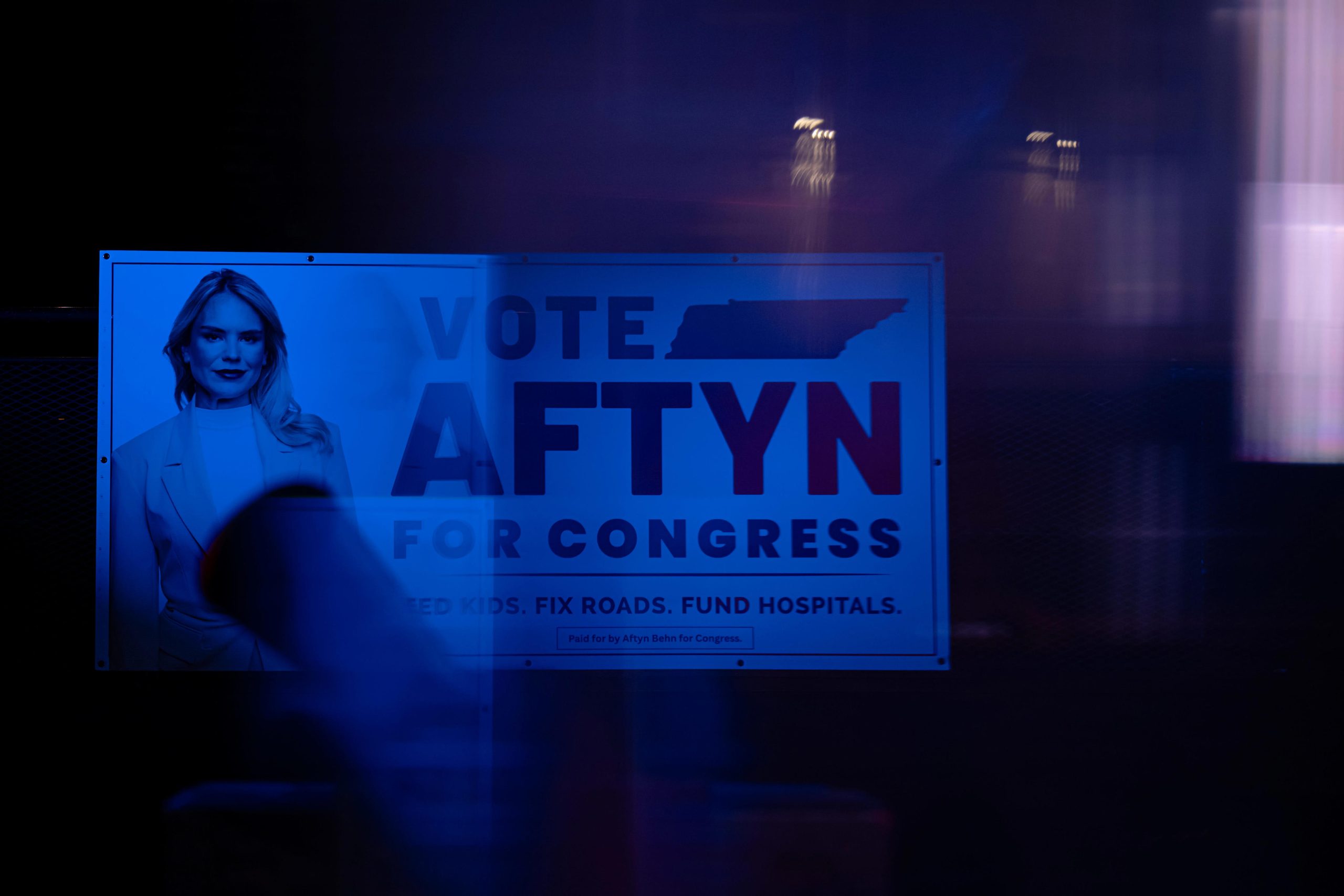


A Close Race in a Traditionally Republican District
Nashville witnessed a tense and closely watched special congressional election as Republican Matt Van Epps narrowly defeated Democrat Aftyn Behn. This outcome was seen as a significant victory for the GOP, especially given the district’s history of strong support for Donald Trump. The race had drawn considerable attention, with Trump personally involved in rallying support for Van Epps to prevent a potential Democratic upset.
Van Epps, a combat veteran and former commissioner of the Tennessee Department of General Services, managed to secure a narrow win over Behn, a progressive Democratic state representative. Despite the district’s strong Republican lean, which saw Trump win by 22 points in the 2024 presidential election, the margin of victory was much closer than expected. This close race could be an early indicator of shifting political dynamics in the lead-up to the 2026 midterm elections.
A Tight Contest with Unexpected Developments
Behn initially held a lead in the early vote, but Van Epps managed to turn the tide on Election Day through a surge in Republican turnout. This increase was partly attributed to an aggressive campaign led by Trump and other national Republicans. The race to replace retired Republican Rep. Mark Green turned into a surprisingly tight contest, with Democrats benefiting from renewed voter enthusiasm and Trump’s declining poll numbers.
The race highlighted the growing influence of progressive candidates in traditionally conservative areas. Behn, known for her activism and social media presence, represented a different kind of Democratic candidate compared to more centrist figures like Abigail Spanberger in Virginia and Mikie Sherrill in New Jersey, who had previously helped Democrats achieve strong off-year election results.
Political Strategies and Campaign Themes
Behn focused on affordability, advocating for the elimination of the state’s grocery tax and lower health costs. Her campaign slogan, “Feed kids, fix roads, and fund hospitals,” resonated with many voters. However, she faced intense opposition from Republicans, who labeled her as a “far-left lunatic” and the “AOC of Tennessee,” drawing comparisons to Alexandria Ocasio-Cortez.
Trump played a significant role in the campaign, holding multiple tele-town halls for Van Epps and using his X account to rally support. His involvement was crucial in mobilizing the Republican base. In contrast, Al Gore made a rare campaign appearance, urging voters to support Behn in what he described as a pivotal moment for the political landscape.
Implications for Future Elections
Despite Van Epps’ victory, the close margin of the race raised concerns for the GOP, particularly as they approach the 2026 midterms. The race followed a wave of Democratic successes in the November 4 off-year elections, where Democrats swept races in Virginia, New Jersey, New York, and California. These results were interpreted as a rejection of Trump and his economic policies.
According to a recent poll, Democrats have opened a 14-point lead nationally in the generic ballot, marking the largest Democratic advantage since 2017. This shift in momentum could signal a broader trend that may impact the upcoming midterms.
A Victory with Wider Implications
Van Epps’ win was celebrated as a major triumph for the Republican Party, with Trump and other leaders emphasizing the significance of the victory. However, the tight race also served as a warning for Republicans, highlighting the challenges they may face in maintaining their dominance in future elections.
Behn, while conceding the race, expressed optimism about the future, stating that the close margin indicated a potential shift in voter sentiment. She hinted at the possibility of a rematch in the 2026 elections, suggesting that the political landscape is evolving.