






The Growing Tensions Around Minnesota’s Somali Community
Recent statements by former President Donald Trump and high-ranking administration officials have sparked renewed scrutiny of the Somali community in Minnesota. These remarks, which have criticized the large population of Somalis in the state, have brought attention to the challenges faced by this immigrant group and their descendants.
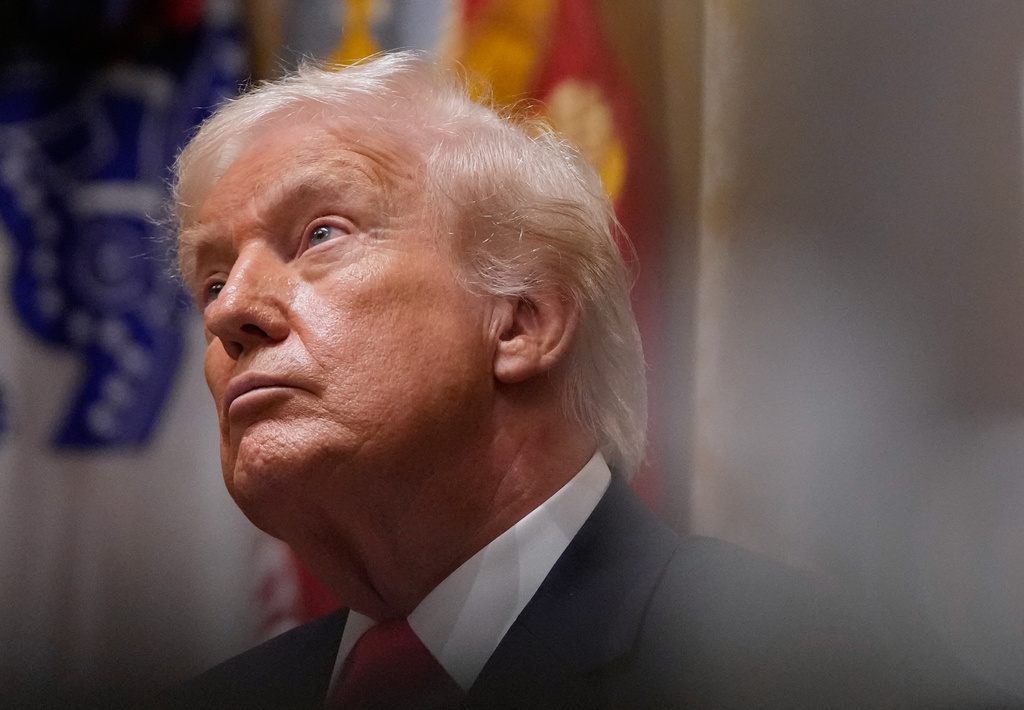
Trump made headlines when he stated that he did not want Somalis in the U.S. because “they contribute nothing.” This comment came shortly after reports surfaced that federal authorities were planning a targeted immigration enforcement operation in Minnesota, primarily aimed at Somali immigrants who are living in the country unlawfully.

Key Facts About Somalis in Minnesota
Minnesota is home to the largest Somali American population in the United States. According to the Census Bureau’s annual American Community Survey, an estimated 260,000 people of Somali descent were living in the U.S. in 2024. Of these, about 84,000 reside in the Minneapolis-St. Paul area, most of whom are American citizens.
The majority of Somalis in Minnesota—nearly 58%—were born in the U.S. Among the foreign-born population, 87% are naturalized U.S. citizens. Almost half of these individuals entered the U.S. in 2010 or later, many of whom fled the long civil war in Somalia and were drawn to Minnesota’s welcoming social programs.

Trump’s Focus on the Somali Community
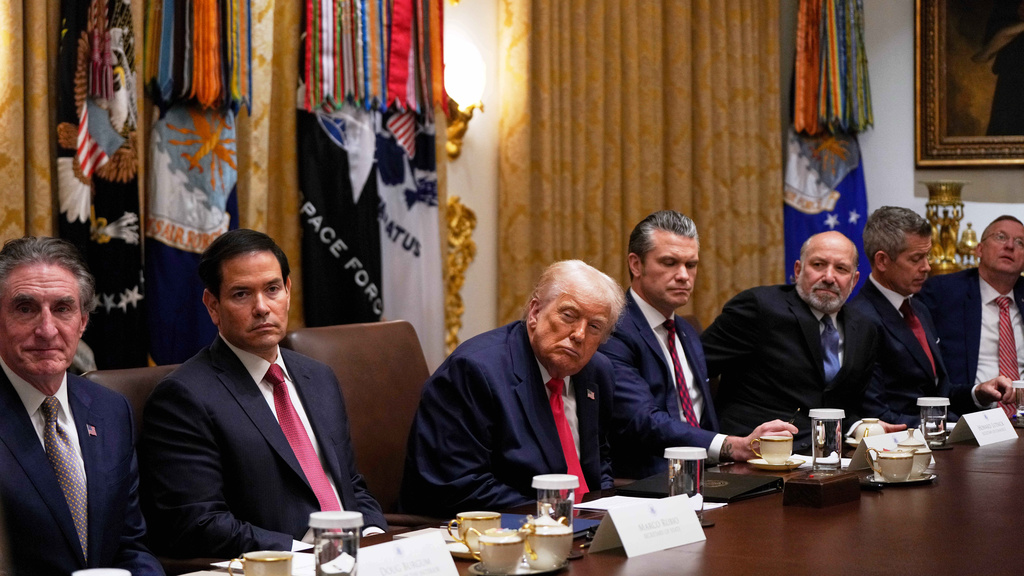
Trump has increasingly focused on the Somali community in recent weeks, claiming they “have caused a lot of trouble.” His criticism intensified after a conservative news outlet, City Journal, alleged that taxpayer dollars from defrauded government programs had been funneled to al-Shabab, a militant group affiliated with al-Qaida.
Despite these claims, little evidence has emerged to support the allegations. Federal prosecutors have not charged any of the dozens of defendants in recent public program fraud cases in Minnesota with providing material support to foreign terrorist organizations.
Termination of Temporary Protected Status
In a controversial move, Trump announced the termination of Temporary Protected Status for Somali migrants in Minnesota. This legal safeguard protects individuals from deportation. A report produced for Congress in August estimated that only 705 Somalis nationwide were covered by the program.
This decision drew immediate backlash from state leaders and immigration experts, who called it a legally questionable effort to create fear and suspicion within the community.
Fraud Allegations and Political Pushback
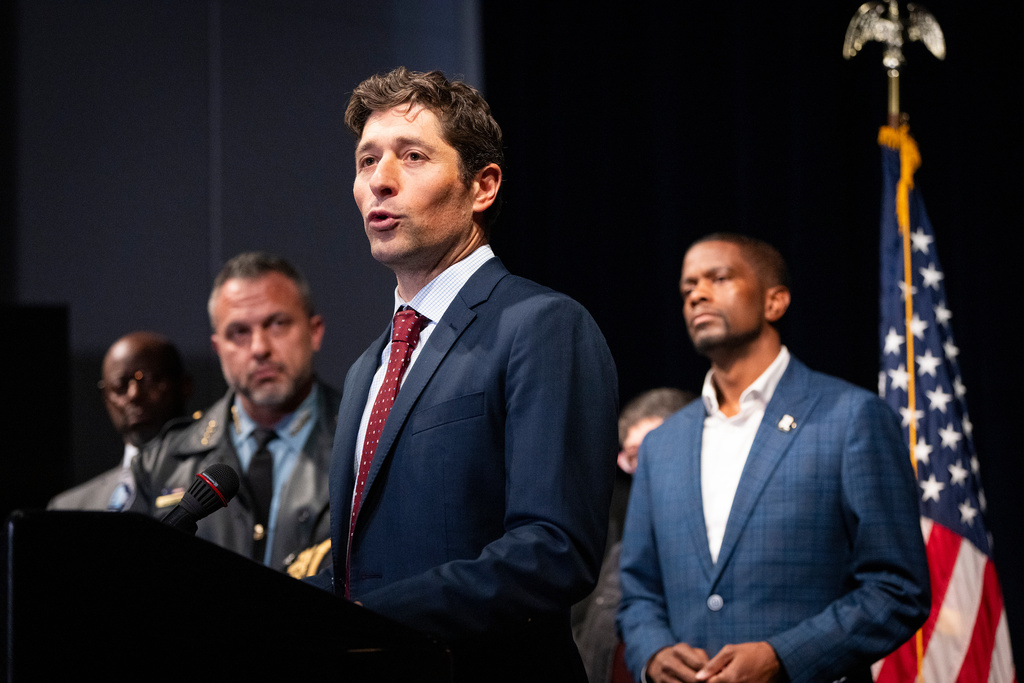
Local Somali community leaders, along with allies such as Gov. Tim Walz and Minneapolis Mayor Jacob Frey, have pushed back against attempts to blame the broader Somali community for recent cases of massive fraud in public programs.
One notable case involved the Feeding Our Future scandal, which was the largest COVID-19-related fraud case in the U.S. It involved a program meant to feed children during the pandemic. While the alleged ringleader was white, many of the defendants were Somalis, and most were U.S. citizens.
Prosecutors have raised the estimated thefts from $250 million to $300 million, and the number of defendants has grown to 78. The cases are still being processed through the court system.
Republican candidates for governor and other offices in 2026 are hoping to win votes by blaming Walz for failing to prevent the losses to taxpayers. Trump has also criticized Walz for allowing the fraud to occur under his watch.
Historical Context: Terrorism Cases in Minnesota
Authorities in Minnesota have struggled for years to combat the recruitment of young Somali men by extremist groups like the Islamic State and al-Shabab. The issue first gained national attention in 2007 when more than 20 young men traveled to Somalia, where Ethiopian troops supporting a weak U.N.-backed government were seen by many as foreign invaders.
While most of these cases were resolved over the years, another came to light earlier this year. A 23-year-old defendant pleaded guilty in September to attempting to provide material support and resources to a designated foreign terrorist organization.
During the 2010s, the Islamic State also found recruits in Minnesota’s Somali community, with authorities stating that roughly a dozen left to join militants in Syria.
Somali Influence in Minnesota Politics
Somalis have become a significant political force in Minnesota. The best-known Somali American is Democratic U.S. Rep. Ilhan Omar, a progressive representative whose district includes Minneapolis and frequently faces criticism from Trump.
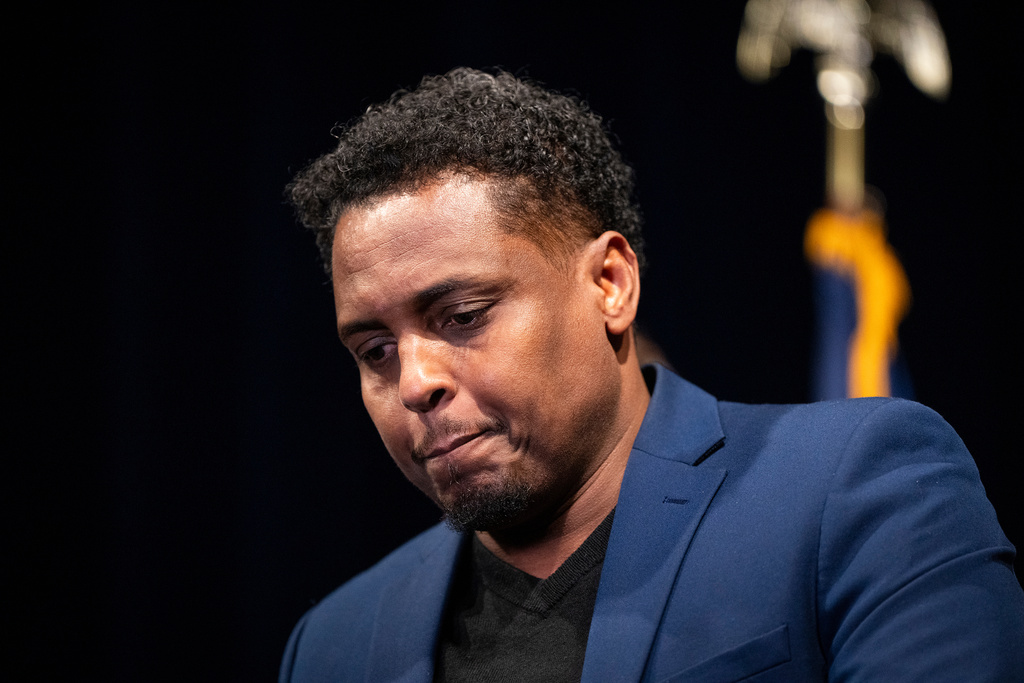
Several other Somali Americans have served in the Minnesota Legislature and the Minneapolis and St. Paul city councils. State Sen. Omar Fateh, a democratic socialist, finished second in the Minneapolis mayoral election in November to incumbent Mayor Jacob Frey.