





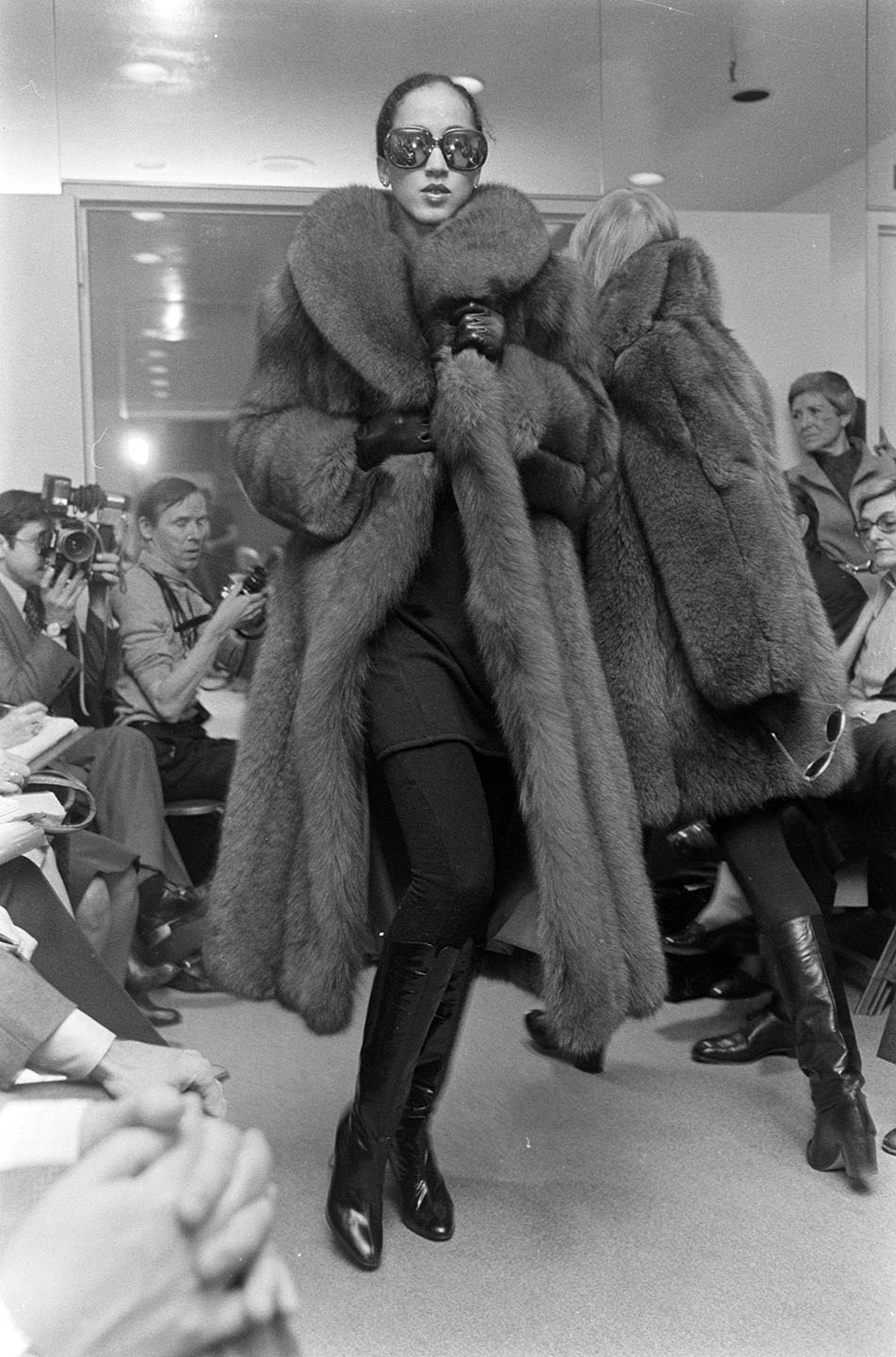


The CFDA’s Decision to Ban Animal Fur at New York Fashion Week
The Council of Fashion Designers of America (CFDA) has made a significant announcement regarding its stance on animal fur. On Wednesday, the organization declared that it will no longer promote animal fur at any events under the Official NYFW Schedule, including its Fashion Calendar, social media channels, and website. This decision marks a major shift in the fashion industry and is part of a long-standing collaboration with organizations such as Humane World of Animals and Collective Fashion Justice.
Starting with the September 2026 New York Fashion Week, the CFDA will prohibit the use of animal fur in collections featured on the Official NYFW Schedule. This timeline allows designers time to adjust their materials and show plans accordingly. The ban includes farmed or trapped fur from animals killed specifically for their pelts, such as mink, fox, rabbit, karakul lamb, chinchilla, coyote, and raccoon dog. However, an exception is made for fur obtained by Indigenous communities through traditional subsistence hunting practices.
Leather and shearling are not included in this ban, according to the CFDA. The organization has pledged to support designers during this transition by providing resources and educational materials. Additionally, the CFDA will offer access to a material library, helping designers explore alternative materials and align with the new policy.
This move aligns with other global fashion weeks, such as London Fashion Week, which ended its promotion of fur in 2023. Other fashion weeks in Copenhagen, Berlin, Stockholm, Amsterdam, Helsinki, and Melbourne have also taken similar steps. Earlier this year, Condé Nast, owner of Vogue, Vanity Fair, and Glamour, banned animal fur in editorial content or advertising, following policies from Elle and InStyle magazines.
Perspectives from Industry Leaders
Steven Kolb, CEO and president of the CFDA, stated, “There is already little to no fur shown at NYFW, but by taking this position, the CFDA hopes to inspire American designers to think more deeply about the fashion industry’s impact on animals. Consumers are moving away from products associated with animal cruelty, and we want to position American fashion as a leader on those fronts, while also driving material innovation.”
Emma Hakansson, founding director of Collective Fashion Justice, added, “The CFDA has further cemented its position as a leading, innovative fashion council on the global stage by formally moving beyond unethical and unsustainable animal fur. At Collective Fashion Justice, we hope Milan and Paris fashion weeks will follow the CFDA and British Fashion Council’s lead, with our support.”
PJ Smith, director of fashion policy at Humane World of Animals, said, “We applaud the CFDA for using its unique influence on American fashion to help usher in a fur-free future. It’s policies like that that are paving the way for material innovation that will create a cleaner, more humane fashion industry without sacrificing creativity and beauty.”
However, not everyone agrees with the CFDA’s decision. Kim Salvo, an executive board member of the American Fur Council, argued that the CFDA is “denying the ability to promote all fashion, especially those fashions that utilize a natural product.” Salvo emphasized the importance of natural materials, stating that fur has been a vital part of the fashion industry for decades in New York City and supports jobs for trained craftsmen and specialized workers.
Salvo also claimed that the CFDA is succumbing to pressure from animal activists, who he says “violate the ability of companies to do business by threatening and harassing them through protests and other vile tactics.” He suggested that the false narrative pushed by non-profit organizations needs to stop, and that fur is the right direction for sustainable fashion.
Growing Faux Fur Market and Activist Efforts
While the CFDA’s decision may signal a shift away from real fur, the faux fur market is experiencing growth. According to Market.us, the global synthetic fur market was valued at $371.3 million in 2023 and is expected to reach $863 million by 2033. This trend reflects changing consumer preferences and a growing demand for ethical fashion alternatives.
Animal rights activists have also ramped up their efforts in recent years. PETA protesters have frequently disrupted fashion shows, including those by Coach during NYFW. In May, PETA asked Lands’ End when it would replace its wool products with animal-friendly materials. In August, activists protested outside the home of Vogue’s deputy editor Taylor Antrim, and in September, a man identified as a “deaf animal rights activist” was arrested during a protest outside the home of Teen Vogue’s features director Brittney McNamara.
Despite these challenges, many designers and retailers have already moved away from selling animal fur products. As the fashion industry continues to evolve, the CFDA’s decision represents a significant step toward a more ethical and sustainable future.